George Mandrovny
The fastest way from Milan to Lake Como
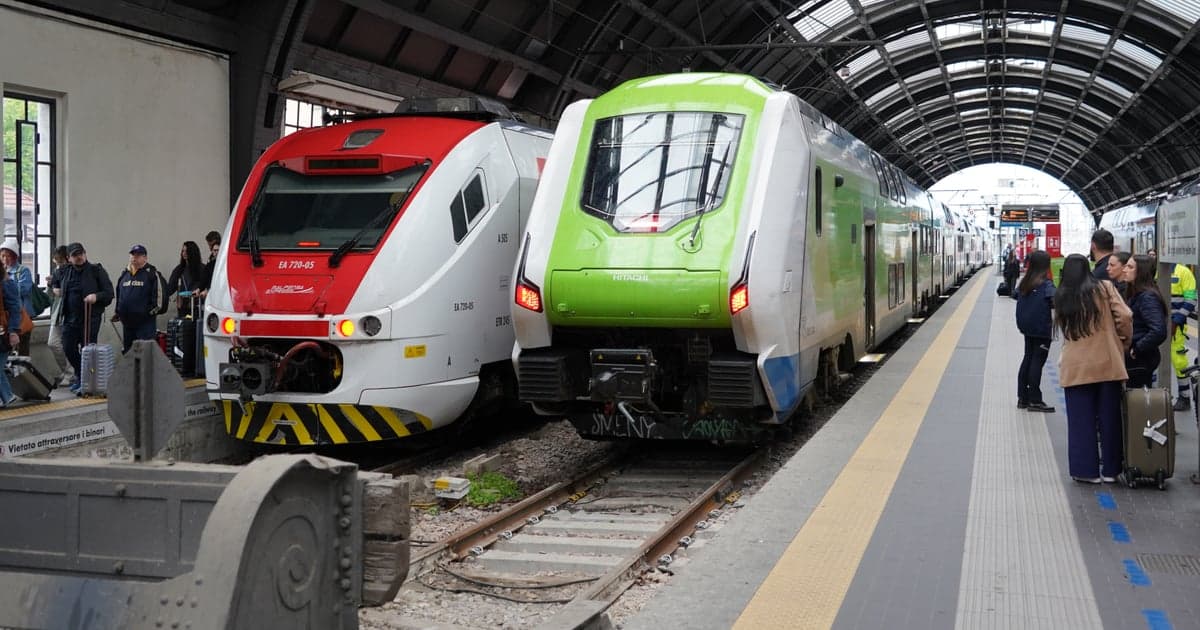
Here is the sentence most of you came for, and you have my blessing to close the tab after it: take a train from Milano Centrale to Varenna-Esino, which runs in about 65 minutes and costs €7.40, then walk down to the dock and catch a ferry across the water. That is the whole trick. No car, no tour, no man at arrivals holding a sign with your name slightly misspelled.
But there are two trains, two Milan stations, and at least two ways to be quietly and expensively wrong about this, so let me earn the rest of your morning.
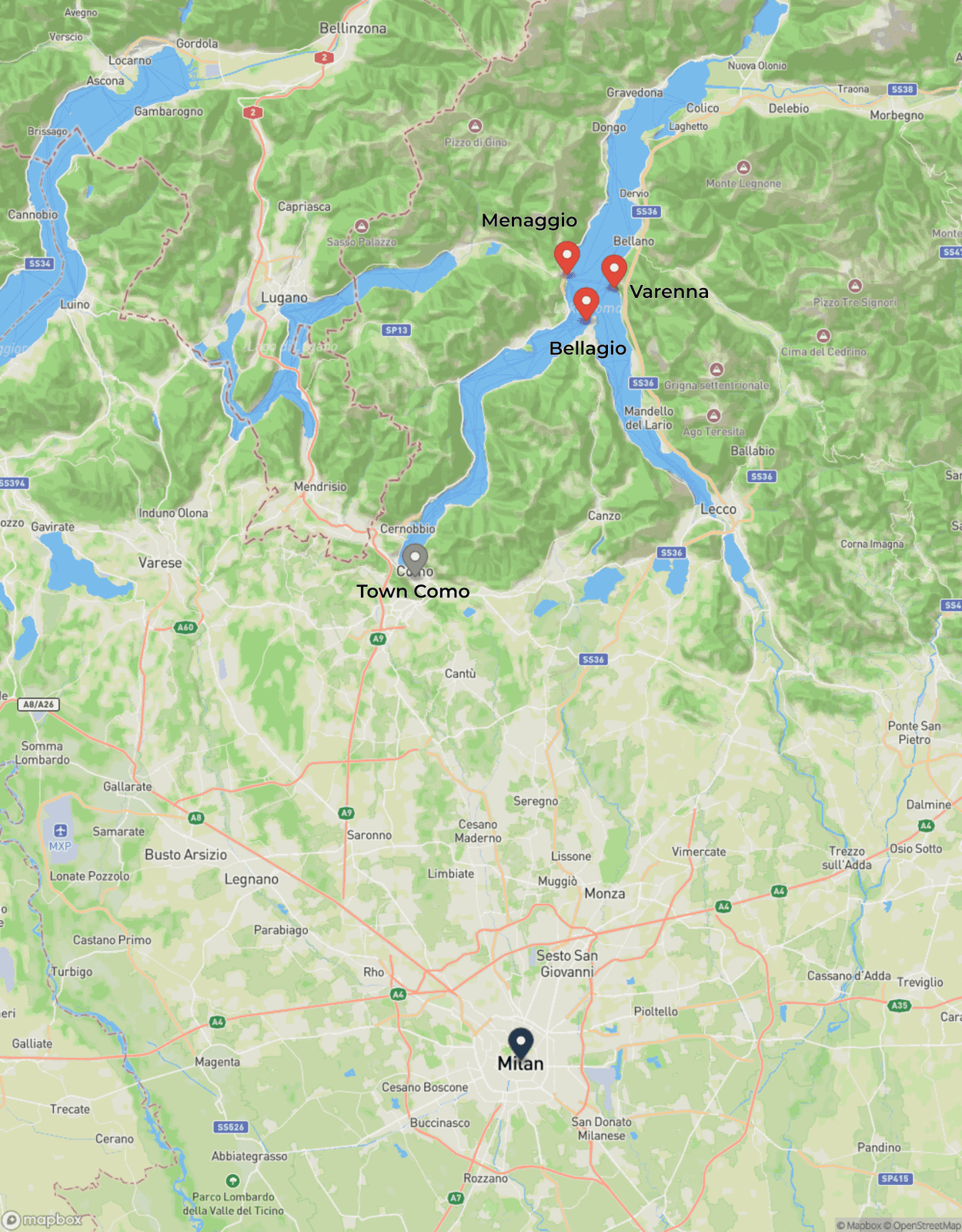
Start with the confusion that catches more people than any schedule ever has: Lake Como the lake is not Como the city. They share a name and almost nothing else useful to you. Como sits at the lake's southwestern tip. The postcard you are actually picturing - the one with the pastel houses stacked above a ferry dock - is Varenna or Bellagio, an hour further up. Book a hotel in "Como" expecting Bellagio and you will spend your first afternoon on a slow boat regretting it.
The other direct option is Milano Centrale to Como San Giovanni, roughly 40 minutes and €5.20. Faster train, but it drops you at the wrong end of the lake for the famous bit, which means a longer boat afterward.
Which of those is right for you depends entirely on where you are headed - and that, not the train, is the first real decision.
First decide where on the lake you are going
Everyone wants to choose a train. The train is the second decision. The first is which town you actually want to wake up in or have lunch in, because that single choice quietly picks your route for you, and getting it backwards is how people end up dragging a suitcase onto a boat they did not need to be on.
Lake Como is shaped like an upside-down Y. Most of what you have seen in photographs lives in the middle, where the two legs meet: Varenna on the east shore, Bellagio on the point, Menaggio across the water. If that is your target, you want the Varenna train. The city of Como sits down at the bottom of the western leg, a perfectly nice place to start a lake cruise but a long, slow boat ride from the famous middle.
So, three sensible ways out of Milan:
| Route | Train | Onward ferry | Best for |
|---|---|---|---|
| Milano Centrale → Varenna-Esino | ~65 min, €7.40 | 15-min ferry to Bellagio or Menaggio | Mid-lake: Varenna, Bellagio, Menaggio |
| Milano Centrale → Como San Giovanni | ~40 min, €5.20 | 1-2 hr slow ferry up to Bellagio | Como town, or a full lake cruise |
| Milano Cadorna → Como Nord Lago | ~60 min, €4.80 | Steps from the Como ferry dock | Skipping the Centrale crowds for Como |
The trade-off hiding in that table is the whole game. The Varenna route gives you a longer train but lands you a fifteen-minute hop from Bellagio, the prettiest crossing on the lake. The Como route gives you a faster, cheaper train but then asks you to spend one to two hours on a slow boat creeping north, or to pay extra for a fast hydrofoil that may already be full. Choose Como for the middle of the lake and you have simply moved the slow part from the rails to the water.
The third option is the insider's move, and it is a good one. Milano Cadorna is a smaller, calmer station than the cathedral of chaos that is Centrale, and its trains run to Como Nord Lago, which sits directly across from the boat docks rather than up the hill at San Giovanni. If Como town or a leisurely cruise is your plan, Cadorna spares you both the Centrale crush and the fifteen-minute downhill trudge with your bags that San Giovanni inflicts on the unprepared.
My honest default for a first visit: Milano Centrale to Varenna-Esino. It puts you in the heart of the lake with the shortest possible time on a boat, and Varenna itself is a fine base that you will not resent. Check the live times before you commit, because Trenord adjusts the schedule by season and the early trains fill up.
Milano Centrale to Varenna-Esino timetable on Trenord
Route chosen. Now the part everyone underestimates: the train itself, and the small paper ritual that fines the people who skip it.
The train: tickets, seats, and the validation trap
These are regional trains, run by Trenord, and the single most useful thing to understand about them is that they work nothing like the high-speed trains you may have booked between cities. There is no seat reservation. There is no sold-out. The price is fixed - €7.40 to Varenna-Esino, €5.20 to Como San Giovanni - and a ticket simply lets you ride any regional train on that route within a set window. You do not need to book days ahead. You do not need to book at all until the morning you go.
This matters because of a small panic that strikes travelers at the worst moment. You open the Trenitalia or Trenord app, see times in the past, or a screen suggesting your train is full, and conclude the day is ruined before it has started. It is not. The apps default to Italian local time and to the high-speed booking logic, neither of which applies here. A regional train to the lake does not fill up in any way that stops you boarding. Buy the ticket, ignore the theatrics, get on.
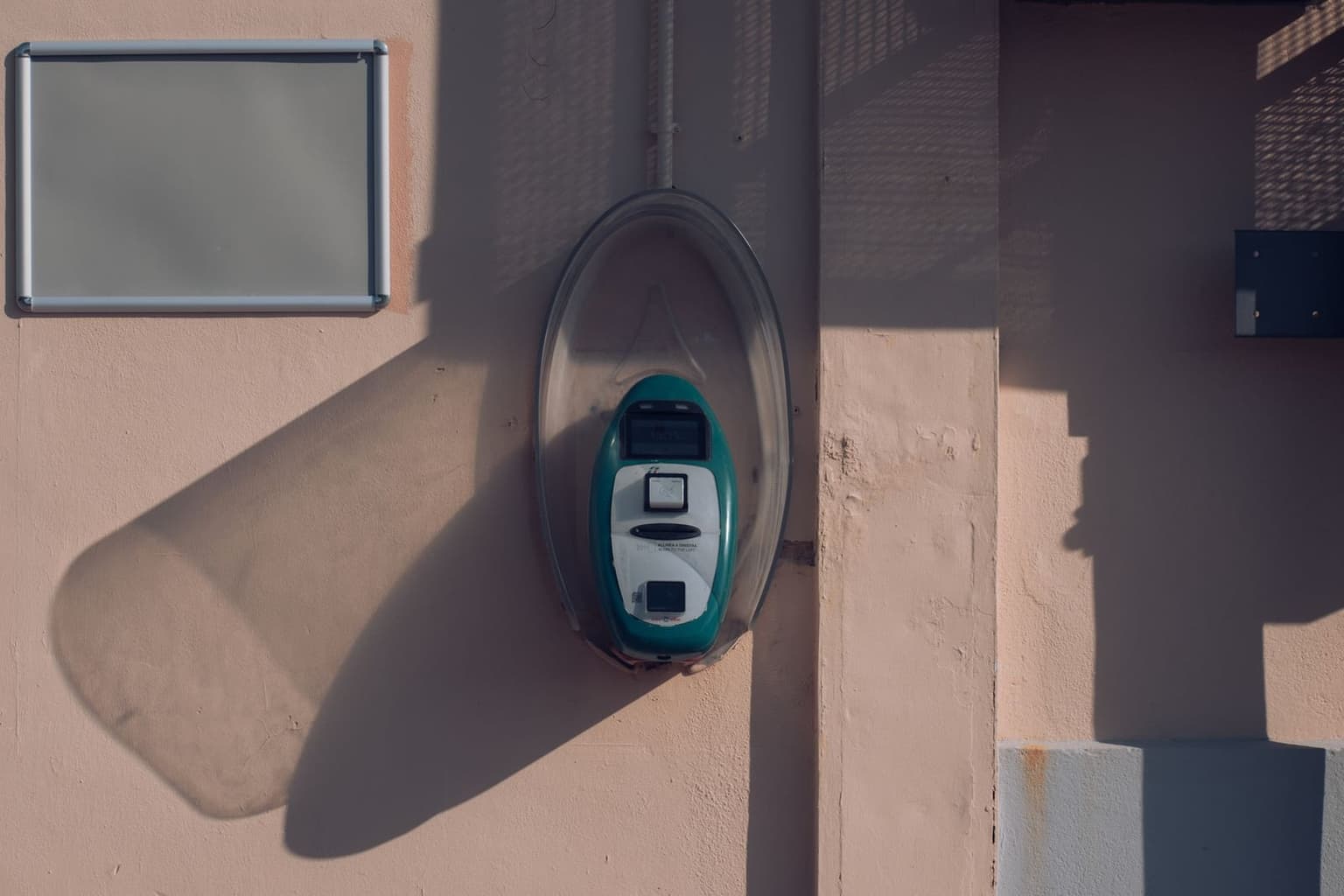
Now the part that actually costs people money. If you buy a paper ticket from a machine or a counter, you must validate it before you board. There are small green and white machines on the platform and at the entrance to the tracks. You feed your ticket in, it stamps the date and time, and only then is it a valid ticket. Skip this and an inspector will treat your perfectly genuine ticket as no ticket at all, and the fine is real and delivered without sympathy.
⚠️ Warning
A paper Trenord ticket is not valid until you stamp it in the platform validation machine. Buy a ticket in the Trenord app instead and it activates digitally, with nothing to stamp - which removes the whole problem.
That is the cleanest fix: buy in the app. It validates itself, it shows you live departure times and platforms, and if your plans shift you are not holding a paper slip you have to physically feed into a box while a train pulls away. All of it assumes working data on your phone - at Centrale, where the platform appears on the board minutes before departure, and later at the dock, where the ferry times are worth checking on the move - so have an Italy eSIM set up before the trip rather than discovering the gap mid-station.
Set up an Italy eSIM before you board
Ticket apps, live ferry times and the map to your dock work before you leave the platform
One more app warning, learned by people the hard way: do not buy your regional ticket through a third-party reseller like ItaliaRail. They charge more and, worse, they cannot rebook you on the fly. If your earlier flight or connection slips and you miss the train you aimed for, a regional ticket bought in the official Trenord or Trenitalia app can be fixed from your phone in the station. A reseller ticket cannot, and you will be the person at the counter explaining a problem nobody there can fix.
Then there is the matter of actually sitting down. On weekends and through the summer, the Varenna trains out of Centrale are standing-room only, and standing for an hour with luggage and someone's elbow in your ribs is a poor start to a beautiful day. Three ways to avoid it. Arrive at Centrale at least thirty minutes before departure and get on early while there are still seats. Buy a first-class regional ticket, which costs a little more and is often gloriously empty. Or take the Cadorna route to Como Nord Lago, which dodges the Centrale crowds entirely. The first train out of Centrale runs around 06:20 and the last near 21:20, with roughly one an hour in between, so there is always another - but the early ones are emptiest, and the lake is best before the crowds arrive anyway.
Trenord ticket prices and validity rules
Ticket stamped, seat won. The next line is on the water.
The ferry across the lake
Your train ends at the water, and unless you are staying in Varenna or Como itself, the lake is the second half of the trip. This is the part the photographs sell you and the part the logistics quietly punish, so a little clarity here saves the day.
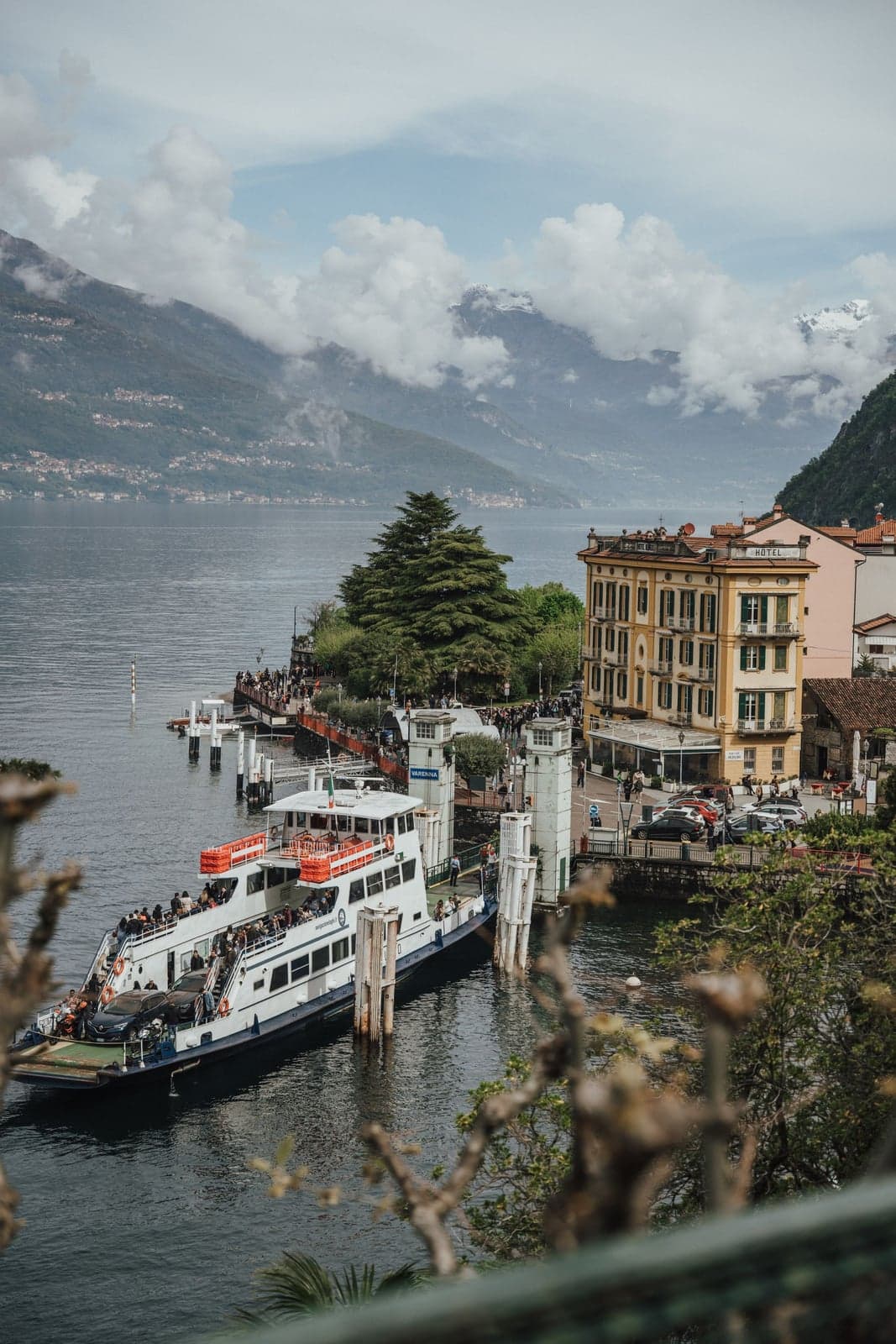
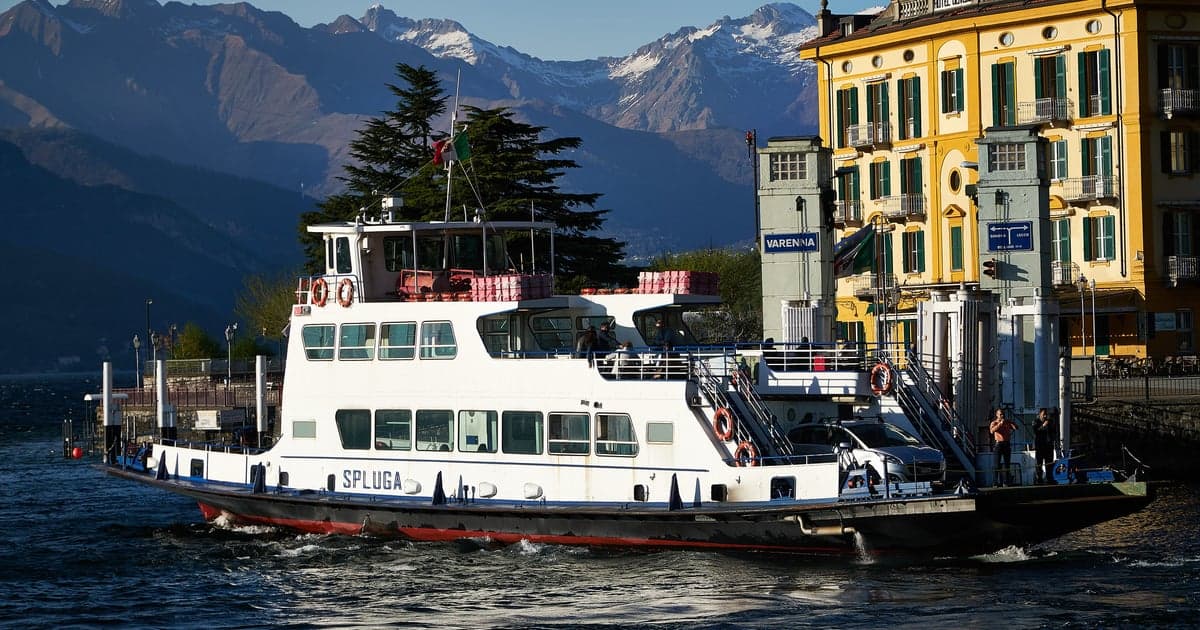
From the Varenna dock, boats cross to Bellagio and Menaggio all day, and the hop takes about fifteen minutes. Do not overthink the boat: the slow battello and the car-ferry traghetto both make the crossing, so take whichever leaves next - the hydrofoil charges a supplement to save you five minutes on a fifteen-minute ride, which is a strange thing to wait longer for. Buy your ticket at the dockside counter before you join the boarding line - or online ahead in high season, though the webshop is clunky and sells one ticket per transaction, so allow time - and if you plan to bounce between the towns, a central-lake day pass pays for itself from the second hop. Which boat suits which day, the current fares, the seasonal schedules and the art of not spending your morning in a ticket line are the ferry guide's whole subject - ten minutes there saves you forty at the window.
Navigazione Laghi Lake Como timetables and fares
The genuinely expensive mistake is on the way back. The last boat is earlier than you think, especially out of season, and on packed peak days the schedule can thin or slip - build some slack into the return, and read the last crossing off the board at the dock rather than off a saved screenshot. People linger over an aperitivo in Bellagio, wander down to the dock at dusk, and discover the last crossing to Varenna left without them. Now they are on the wrong shore with a hotel they cannot reach and a taxi fare that hurts.
⚠️ Warning
Check the time of the last ferry back to your base before you set out in the morning, not after dinner. Miss it and you are stranded across the lake for the night, because the boats stop well before the restaurants do.
Buy your central-lake ferry tickets online with Navigazione Laghi
Buy ahead in high season - and check the last boat back before you set out, not after dinner
That is the standard route: train from Milan, ferry across the lake.
Coming straight from Malpensa Airport
The trap here is one specific assumption: that there is a clean, single ticket from the airport to the lake. There is not. The Malpensa Express is a fast, frequent train, but it only runs to Milan's stations - from there you start a second leg on a second ticket. Which second leg is your whole decision, and it hangs on the town: for Varenna and the mid-lake, ride the Express to Milano Centrale and pick up the Varenna regional described above; for Como, get off at Saronno and change there, or take the direct airport bus. Every route with its honest 2026 costs, the EES passport-line timing that decides when to buy which ticket, and the return-trip math all live in the dedicated Malpensa to Lake Como guide.
Two warnings survive whichever route you pick. Do not count on grabbing an official taxi at Malpensa for the lake run - drivers routinely refuse the trip or quote whatever number occurs to them. If you want a car, pre-book a fixed-price transfer before you fly: a Malpensa-to-lake NCC where you see the fare up front and the driver tracks your flight. And never buy a fixed-time onward train before you land: passport control eats time you cannot predict, and the missed ticket is simply gone. Buy the second leg once your feet are actually on Italian tile - and for the night that still occasionally goes sideways, this is exactly what a decent travel insurance policy quietly exists to absorb.
Pre-book a fixed-price Malpensa transfer to the lake
The fare is fixed up front and the driver tracks your flight
Malpensa Express tickets and timetable
If you land at Bergamo (Orio al Serio) or Linate instead, the logic is the same: a bus or transfer into Milan or toward Como, then the train and ferry as above. Bergamo in particular leans on buses rather than a dedicated express, so budget a little more patience.
All of which assumes you are not driving yourself. Some of you are wondering whether to just rent a car and be done with it. Let me talk you through that, because the lake has opinions about cars.
Should you drive from Milan to Lake Como?
For almost everyone, no. The train and ferry do this trip better than a car does, and the car adds problems the rails simply do not have. A car earns its place only if you are pushing on past the ferry network, stringing together several stops, or carrying the kind of luggage that makes public transport a misery. For a day trip or a stay in one of the lake towns, leave the driving to someone else.
Here is what the car actually buys you, and it is mostly trouble.
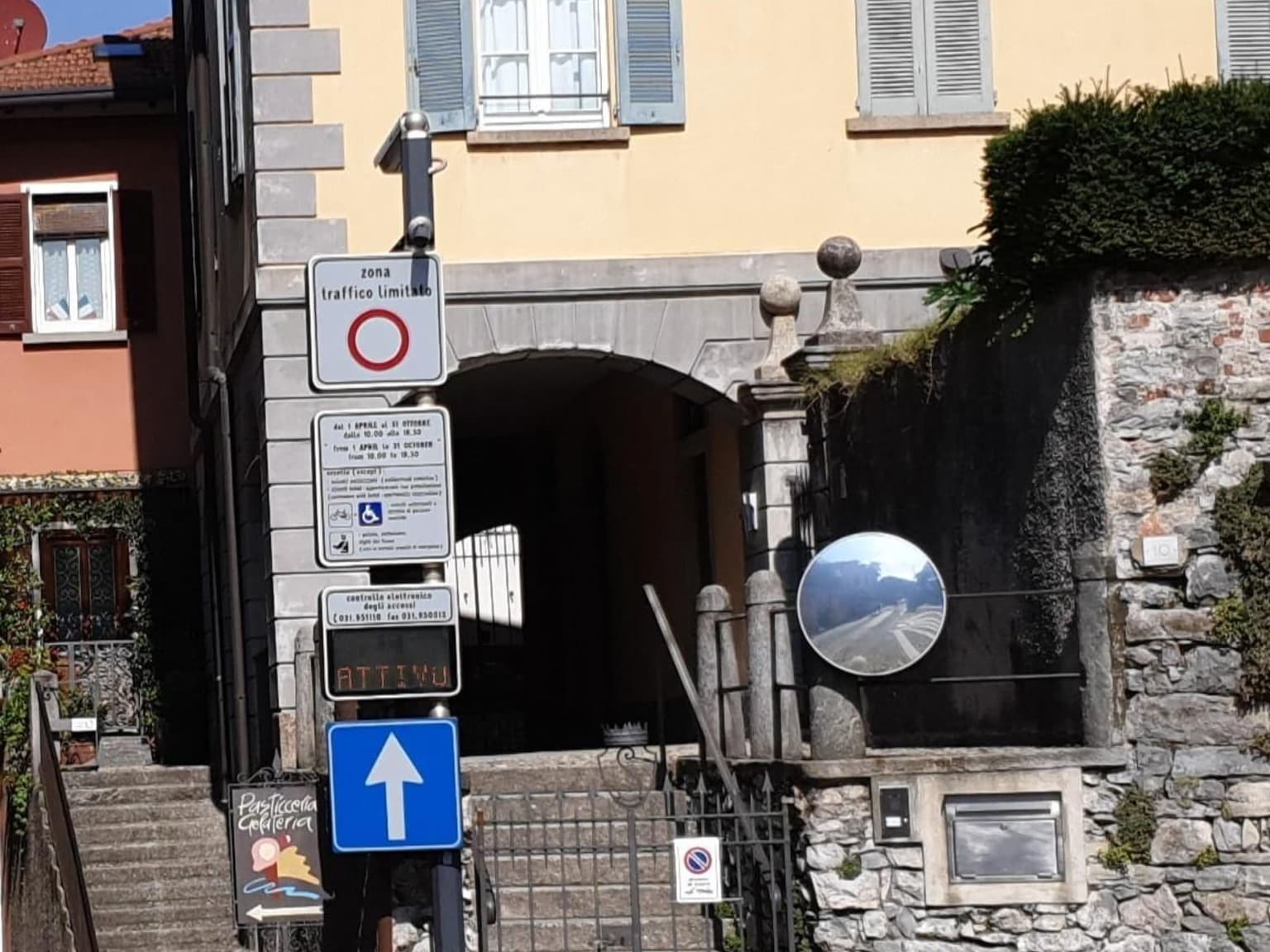
The lake towns are riddled with ZTL zones - Zona Traffico Limitato, the restricted-traffic historic centers that are watched by cameras and closed to anyone without a permit. Drive into one in Como or Bellagio because your navigation app cheerfully sent you there, and a fine is generated automatically. You will not see a barrier or a police officer. You will see nothing at all, until months later the charge surfaces through your rental company, often with their administrative fee stacked on top and the penalty grown larger for the delay. My own wrong turn in Como became a €177 lesson that arrived long after the vacation photos.
⚠️ Warning
A ZTL fine is issued by camera with no warning at the roadside. It reaches you weeks or months later via the rental company, with fees added and the amount often higher for the delay. Treat every historic center as off-limits to your car unless you have explicit permission to enter.
Then there is parking, which barely exists. Varenna's parking garage fills by mid-morning, and after that cars trickle in one at a time as others leave. The lakeside roads are so narrow in places that two cars cannot pass, and one of you backs up to a wider spot while the other inches by. Do not put a car on the Bellagio ferry in July expecting to park at the other end. The standard advice from people who have made the mistake: leave the car in Varenna's garage and travel the rest by boat.
If you do drive, learn the curb colors before you need them. White lines mean free parking, blue lines mean paid by the meter, and yellow lines are reserved for residents and Telepass holders - park on yellow and you have found another way to be fined. And book the rental properly, with the insurance and the fuel policy understood, rather than grabbing whatever is cheapest at the desk. If a car genuinely fits your plans, reserve it in advance so you can read the full insurance and fuel terms and compare the total before you pay, not squint at a contract at the counter while a line builds behind you.
Compare Milan rental car offers in advance
Read the insurance and fuel terms and compare the total before you pay, not at the counter
Car or no car, the bigger question for most day-trippers is whether to rush there and back or stay the night.
Day trip or overnight, and how to dodge the crowds
Some honesty about what a day trip actually delivers, because the gap between the plan and the day surprises people. With an hour and a half to two hours of travel each way, a day trip leaves you maybe three or four hours actually on the lake. Try to cram Varenna and Bellagio and a villa into that window and you will spend the bulk of it standing in line for ferries in the heat, watching the lake rather than enjoying it, and leave faintly cheated. The people who come back disappointed are almost always the ones who tried to do everything in one afternoon.
The fix is not complicated. Go early and pick one base. The first trains out of Centrale leave around 06:20, and the early departures are emptier on the rails and at the docks. Choose a single hub - Varenna is the efficient one, a short ferry from both Bellagio and Menaggio - and let the other towns be a quick hop rather than a campaign.
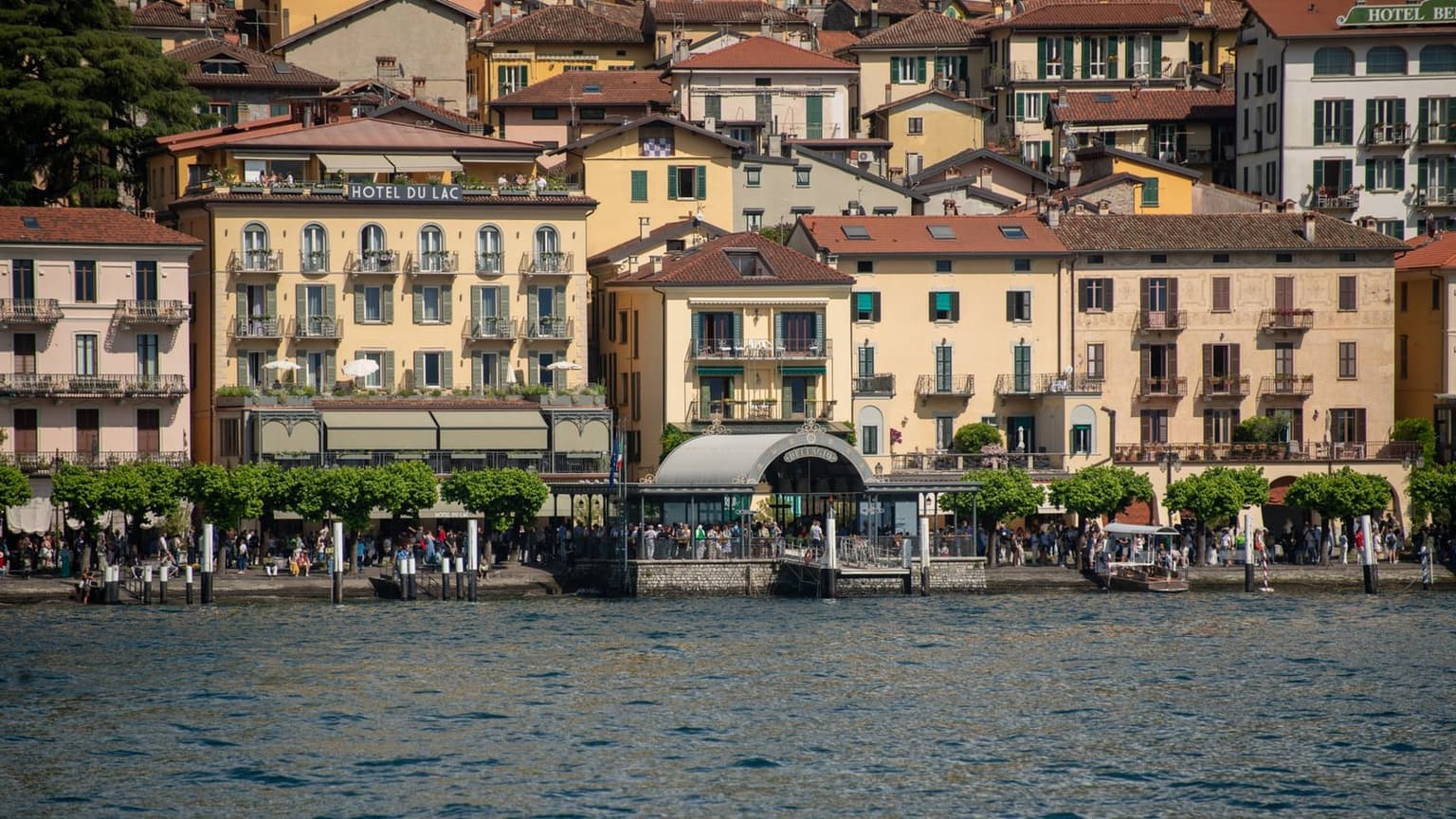
The real luxury, though, is staying the night. The day-trippers arrive on the nine o'clock boats and leave in the late afternoon, which means the early morning and the evening belong to whoever stayed. Bellagio at half past six, before the first ferry, is a different and far better place than Bellagio at noon. If the lake is the point of your trip rather than a box to check, book a night in Varenna, Bellagio or Menaggio and see it without the crowd.
💡 Tip
Stay overnight and walk the waterfront before 9am, when the day-trip ferries arrive, or after about 5pm, when they leave. The towns empty out and you get the version of the lake you came for.
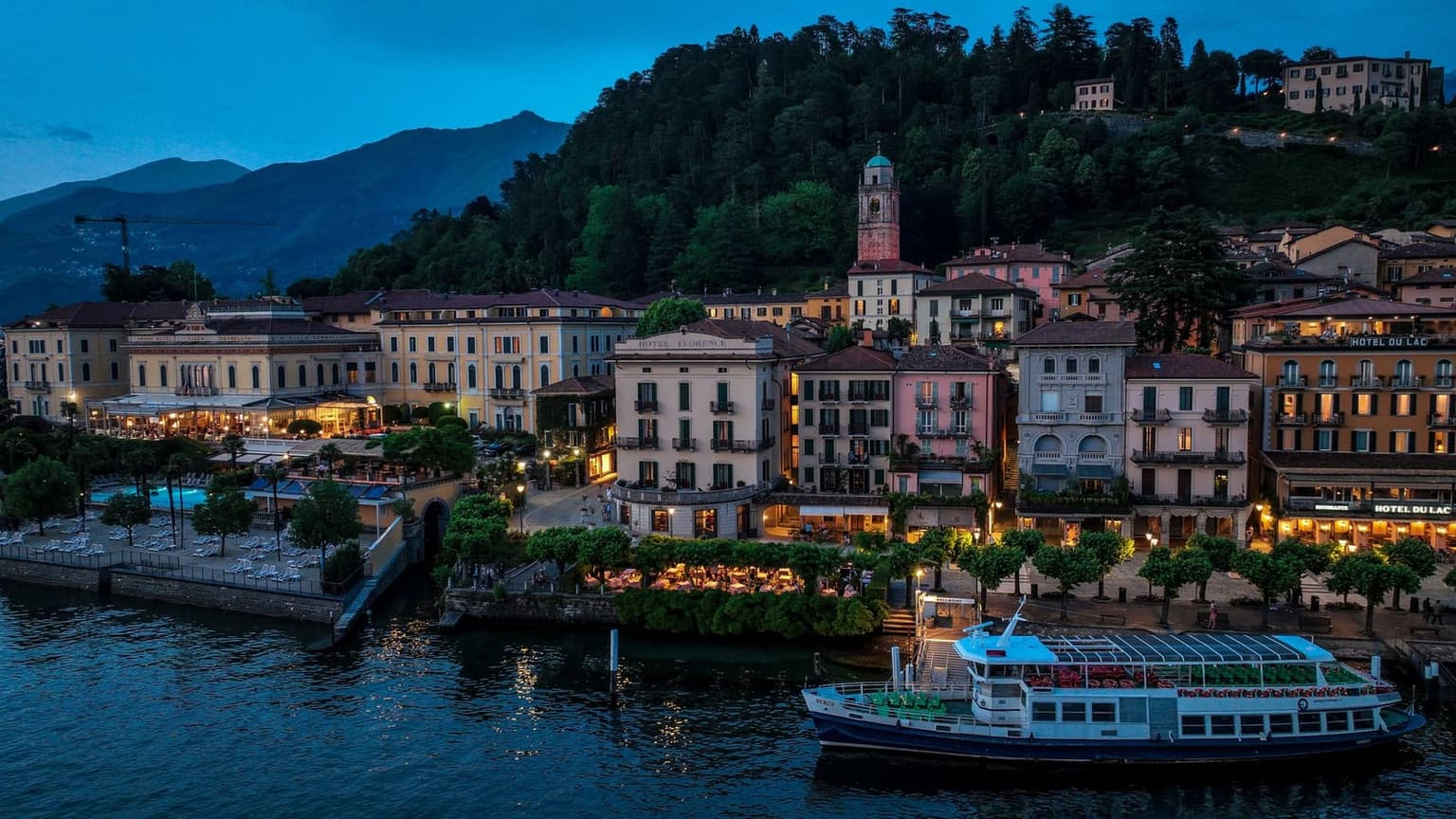
On the DIY-versus-guided question: doing this yourself is genuinely easy if you follow the route above, and far cheaper. A guided day tour earns its price in two situations - you are on a tight, fixed schedule and cannot afford a missed connection, or you simply do not want to manage trains, tickets and ferries on your one day. No shame in either. If that is you, a tour that handles the logistics end to end is money well spent.
Two warnings that cut across all of this. Italian rail strikes - scioperi - are announced in advance and usually preserve guaranteed trains in the roughly 6 to 9am and 6 to 9pm windows, but the small Trenord lines like the Varenna connection are the first to be canceled, so check before you travel on a strike day and keep a fallback. And mind the season: many of Varenna's restaurants and hotels close from November through March, and a romantic off-season visit can find a shuttered town instead of a quiet one.
Quick answers before you go
- How long does it take to get from Milan to Lake Como?
- About 40 minutes by direct train from Milano Centrale to Como San Giovanni, or about 65 minutes to Varenna-Esino for the mid-lake towns. Add the ferry crossing on top - roughly 15 minutes from Varenna to Bellagio, longer from Como.
- Do I need to book Milan to Lake Como train tickets in advance?
- No. These are regional trains with fixed fares and no seat reservation, so they do not sell out and there is nothing to gain by booking early. Just buy it the day you travel - and if you buy a paper ticket, validate it in the platform machine before boarding or you risk a fine.
- What is the best town to base a Lake Como day trip from Milan?
- Varenna. The direct train from Milano Centrale drops you a short walk from the dock, and a 15-minute ferry connects you to both Bellagio and Menaggio, so you can see the best of the mid-lake without long boat rides.
- Can I get from Malpensa Airport to Lake Como without going into central Milan?
- Yes. Take the Malpensa Express and change at Saronno for a regional train straight to Como Nord Lago, which skips central Milan entirely and costs under €20. A direct Malpensa to Como bus is the no-changes alternative.
- Is it worth driving from Milan to Lake Como?
- Usually not. The lake towns have camera-enforced ZTL zones that fine you automatically and almost no parking, while the train and ferry deliver you straight to the water. Drive only if you are continuing beyond the ferry network or carrying heavy luggage.
None of this needs a rental car or a tour. It needs the right train from the right station, a stamped ticket, and the slow ferry instead of the fast one. Get those three right and the hard part is over before you have left Milan - which leaves you free to do the only thing the lake actually asks of you, which is to sit by it for a while and watch the boats come in.