George Mandrovny
How to get to the Dolomites: the two decisions
The short version: fly into Venice Marco Polo, and for most travelers, rent the smallest car that fits your bags - that's roughly a two-hour drive to Cortina and the freedom to reach the trailheads no bus goes near. If you would rather not drive, going car-free works beautifully in the South Tyrol valleys on the Guest Pass, as long as you base yourself in Val Gardena and accept that the highest, most famous hikes stay just out of reach.
Before any of that, three things worth pinning down first:
- The closest airport is Venice, not Milan and not Innsbruck. It has direct flights from the US and the shortest transfer to the mountains.
- The one trap that catches everyone: do not judge the distance by the map. The Dolomites look close to everything and are slow to reach from all of it - the mountains see to that.
- Wherever you land, base yourself in the main town itself (Cortina, or Ortisei in Val Gardena), not a village outside it. Every connecting bus you add is another one you can miss.
Here is what actually decides your trip, and you settle it before you land: which gateway you fly into, and whether you rent a car. Everything downstream - your base town, your bus passes, whether you make that last connection of the day - follows from those two. Get them right and the drive from the airport is short and the transfers are few. Get them wrong and you spend the first morning of a mountain vacation learning the regional bus network the hard way, in the sun, with your luggage. My advice, after enough of these trips, is to settle both at home rather than at a rental counter with your bags already at your feet. The rest of this guide walks them in order: which gateway; then car or car-free; then where to base and how to get around once you land.
Which gateway to fly into
Four airports realistically put you within a half-day of the peaks, and the guides that list them tend to line them up as interchangeable dots on a map. They are not interchangeable. Two are worth flying into from the US, one is a driver's shortcut that punishes anyone without a car, and one is the sensible choice almost nobody books. The range spreads across a wide arc of valleys, too, so the right airport depends as much on which corner you're heading for as on which is nearest home. Here is how they actually sort out.
| Airport | Drive to the Dolomites | Direct US flights | Best for |
|---|---|---|---|
| Venice (VCE) | ~2h to Cortina | Yes | The default door: closest, direct US flights |
| Milan (MXP) | 4 - 4.5h to Cortina | Yes | Only if your trip already routes through Milan |
| Innsbruck (INN) | ~2h to the northern valleys | No | Drivers headed north, not transit riders |
| Verona (VRN) | ~3h to Cortina | No | The southern valleys (Val di Fassa, San Martino) |
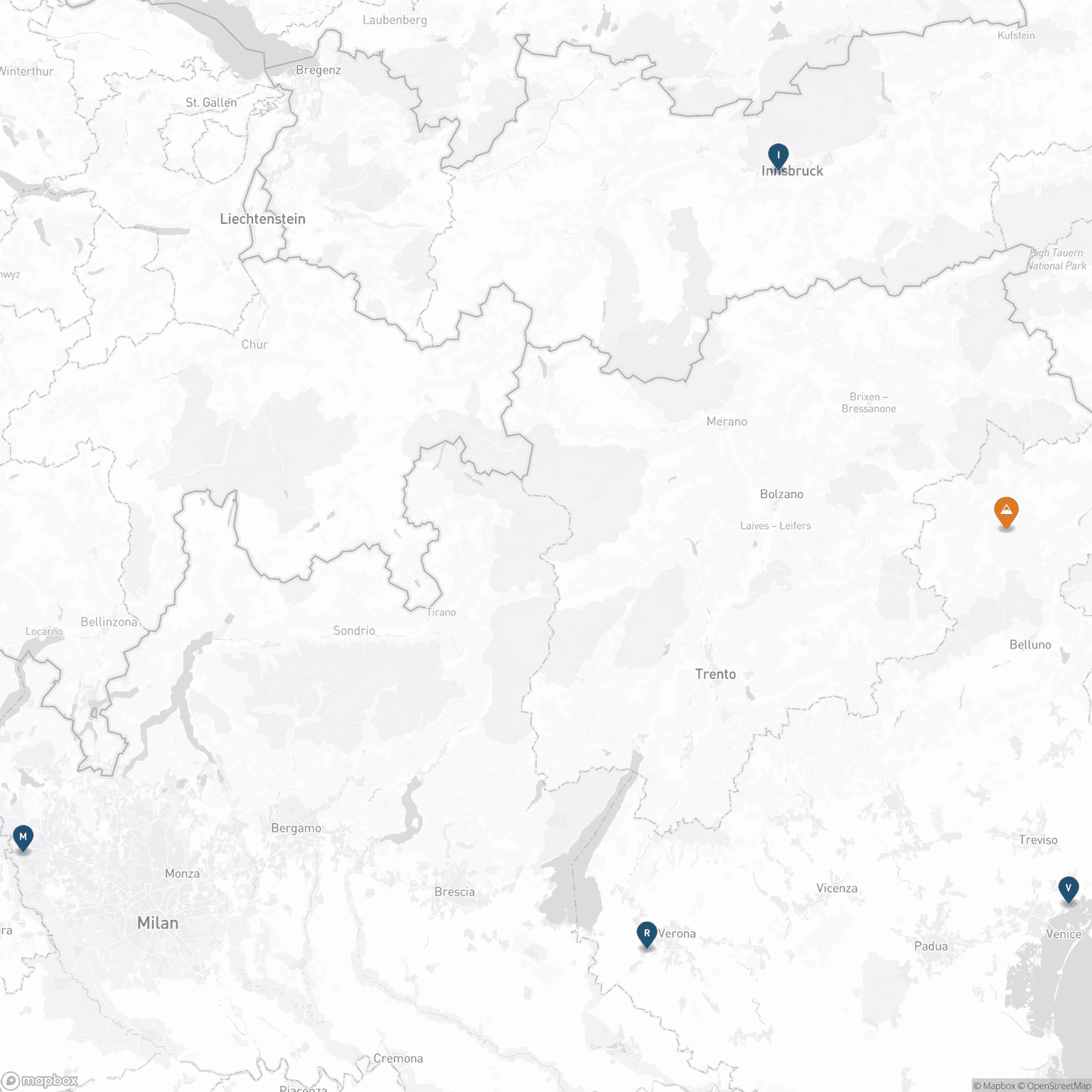
Venice Marco Polo is the door I send most people through, and it isn't much of a contest. It has the nonstop flights from the States and the shortest run into the mountains, so you can land in the morning and be unpacking at your base by mid-afternoon rather than surrendering the day to a transfer. If you take one thing from this section, fly into Venice.
Milan gets chosen constantly, and almost always for the wrong reason. The flights are cheap and familiar, so people book Malpensa and consult the map afterward. It is the longest haul of the four, closer to a full day behind the wheel than a quick transfer, and you pay that time coming and going. Milan earns its place only when your trip is already threaded through the city for other reasons; as a pure gateway to the Dolomites, it is a great deal of autostrada to admire.
Innsbruck is the one that fools people. On the map it sits practically on top of the range, and if you're driving, it really is a quick hop over the Brenner Pass into the northern valleys. The trouble is everything else. There are no nonstop flights from the US, so you arrive having already changed planes once, and without a car the final leg turns into a slog - a change at Brenner, then a regional bus up from Bressanone (Brixen on the German-language signs up there) - for a distance that looks like nothing. A fair option for drivers headed north; a trap for anyone counting on transit.
Verona is the sleeper. Nobody searches for it, which is a small shame, because for the southern valleys - Val di Fassa, the Pale di San Martino - it is the natural approach. There are no direct flights from the US, so you'll connect through a European hub, but if the southern Dolomites are where you're actually going, Verona spares you a long drive clear across the range to reach them.
Car or car-free: the trip-shaping choice
With your gateway settled, the second decision is the one that shapes every day on the ground: do you rent a car or not. It is not a formality, and it is not really about money. It is about which version of the Dolomites you get. A car buys you reach - every trailhead, including the ones at the top of a pass no bus climbs - and the freedom to start before the crowds. Going car-free buys you a calmer, cheaper trip through the South Tyrol valleys, where the buses genuinely work, at the price of the highest and most famous hikes and a fair amount of waiting on a schedule you don't control.
Neither is wrong. But they are not interchangeable, and the honest tradeoffs look like this:
| Dimension | With a car | Car-free |
|---|---|---|
| Reach | Every trailhead, including the passes buses skip | South Tyrol towns and valleys; the marquee high hikes largely out of range |
| Pace | Your own schedule, early enough to beat the lots | Set by the timetable, one to two buses an hour |
| The catch | Tiny hotel lots, ZTL fines, narrow-pass nerves | Missed connections, the west-to-east transfer gap, the odd strike |
| Best for | Marquee hikers and multi-valley trips | One-valley bases and drive-averse travelers |
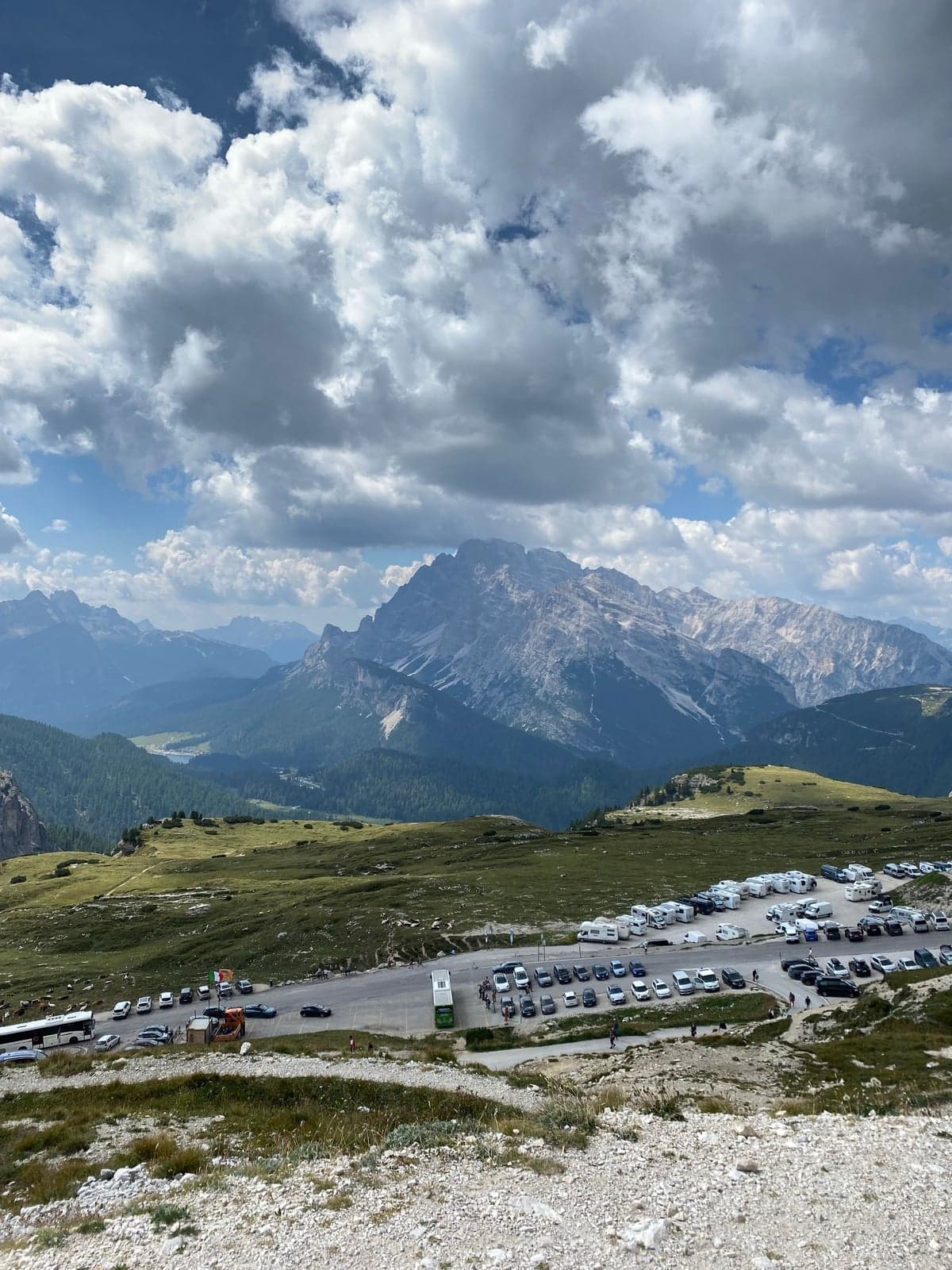
The reach gap is the part people underestimate. The signature high-elevation walks - the Sassolungo circuit from the Passo Sella cable car is the one everyone wants - simply aren't on a bus line; without a car, the scenery that sold you on the trip stays behind glass. And a car only helps if you're out early. At the popular trailheads the lots fill before mid-morning - by 09:30 you won't find a space at the ones everyone has heard of - so the freedom comes with an alarm clock.
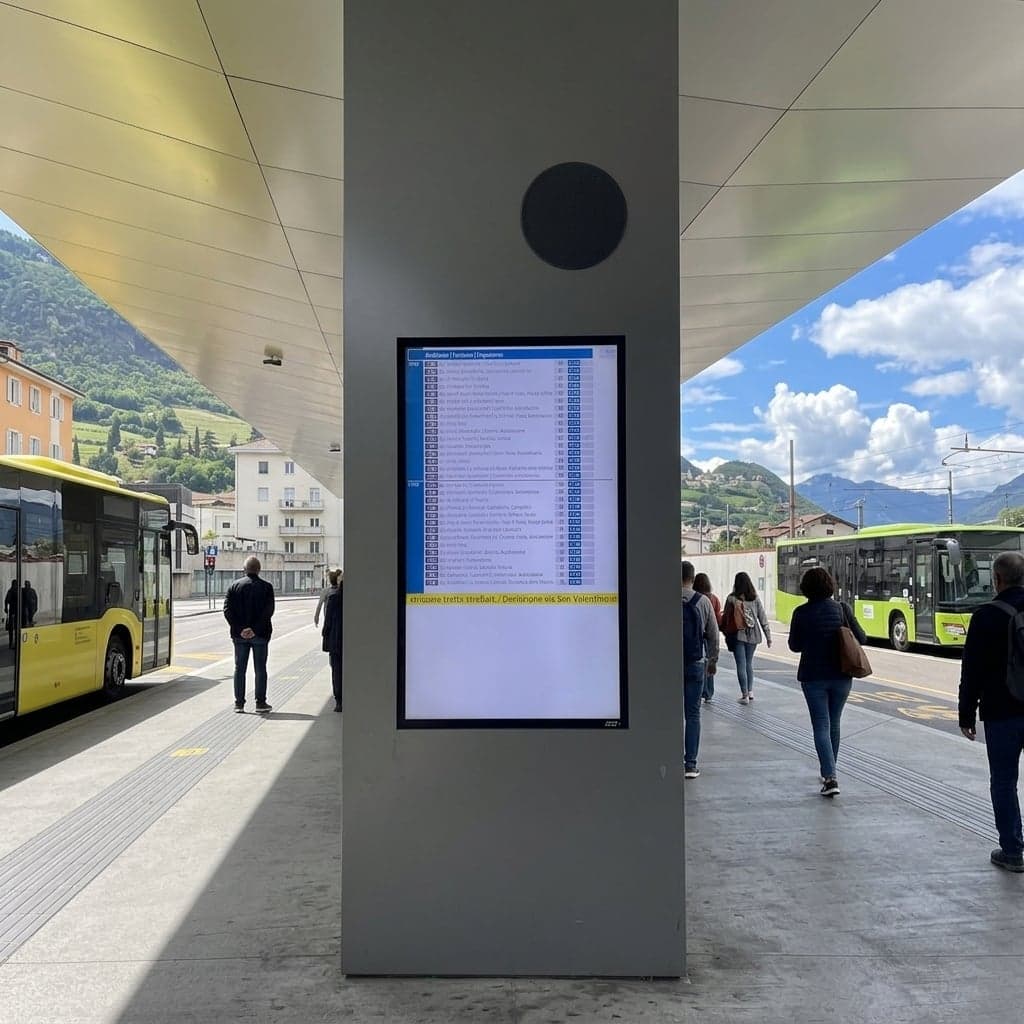
Car-free is better than its reputation, though, as long as you stay inside South Tyrol and lean on the regional pass. The public transit genuinely runs on schedule, with live displays at the major stops. What it can't do is save you from a missed connection when a bus runs ten minutes late, from the genuine black hole of crossing from the western valleys to the eastern ones by transit, or from the occasional strike that strands you with no fallback - and when a strike lands on the morning you need the bus down from Ortisei to Bolzano, there is no plan B.
My rule of thumb: if the trip lives or dies on those marquee high hikes, rent; if you're content to base in one valley and let the schedule set the pace, don't. Once you've picked, the next two sections handle the how - driving in without collecting a fine, or going car-free with the pass, the buses, and the one app that makes it work.
Where to base: cut the connections first
Both how-tos ahead get easier if you settle one more thing first: where you sleep. It is a logistics decision before it is a comfort one, and it sets how many of the day's buses you have to catch. The principle is dull and it holds: base yourself in the main town, not in a cheaper village a valley over. Every transfer you fold into the daily routine is one that can run late, fill up, or pull away without you, and the mountains are ungenerous about second chances - miss Dolomiti Bus 51, the summer run out to Passo Tre Croci and Misurina, by ten minutes and you have bought an hour of standing still, the kind of hour that does not happen when you are staying in Cortina itself. Basing down in a gateway city like Bolzano and commuting up to the trailheads sounds thrifty until you price it in hours: the ride up and back, twice a day, swallows a real piece of the time you came to spend on the trails.
For car-free travelers there is a clear winner, and it isn't Cortina. Val Gardena - Ortisei, Santa Cristina, or Selva - runs frequent buses the length of the valley and puts a cable car up to Seceda right in town, so one of the range's headline viewpoints is a short ride from your door rather than a bus relay away, once you have the right ticket and timeslot for the ride up. It is the one base where going without a car costs you almost nothing, and I point drive-averse travelers there before they have finished asking the question.

If Cortina is your target, book inside the town center, within walking distance of the bus terminal - that way the airport bus sets you down near your door and you skip the local hop that otherwise ends every long transfer on a sour note.
In Val Gardena, aim for Ortisei near the St. Anthony Square stop where bus 350 comes in, and ask whether the room includes the South Tyrol Guest Pass - many hotels here hand it over, and it turns the valley's buses free from your first morning.
Driving in: the smallest car, and the fines that find you
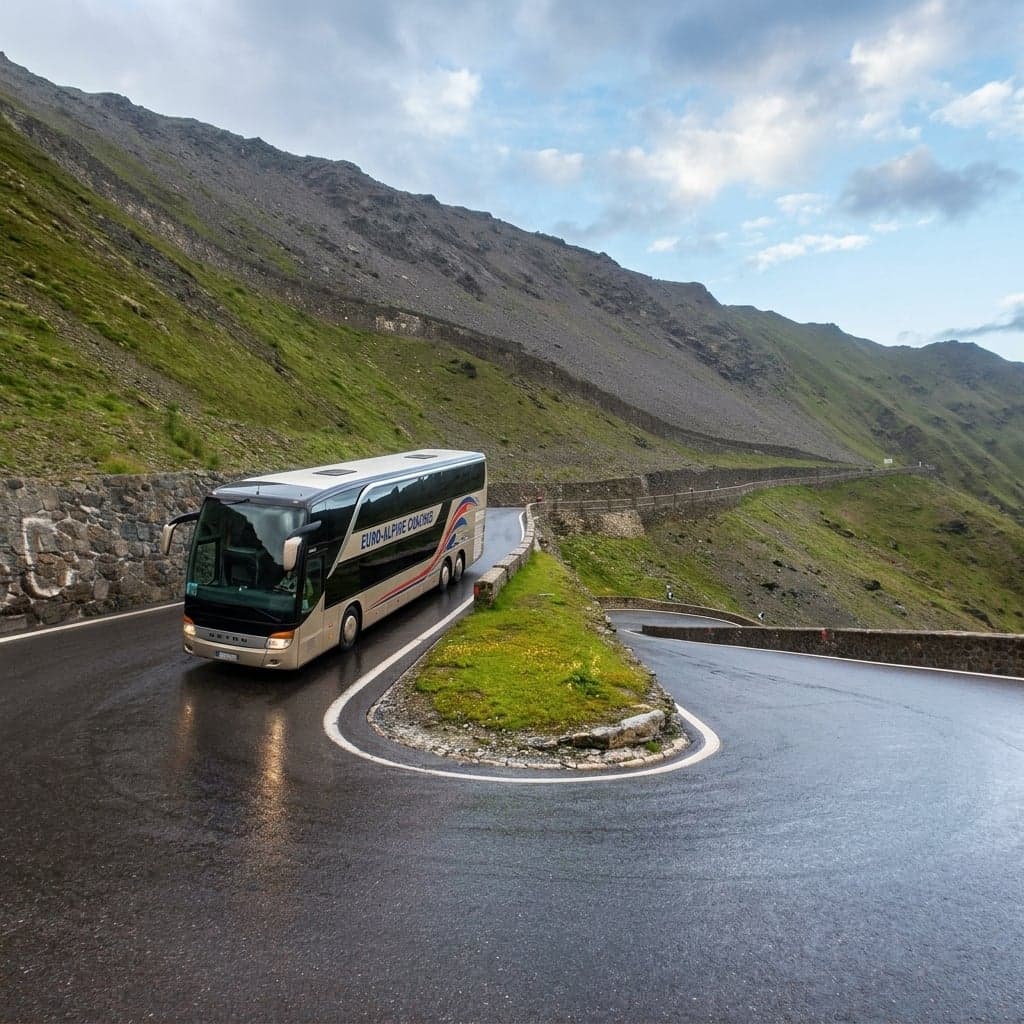
If you've decided to drive, the single most useful call happens before you ever touch a mountain road: book the smallest car that will swallow your group's luggage, and no bigger. It runs against every instinct - you're headed for the mountains, surely you want something with heft - but Dolomite hotel lots are cut into hillsides and measured in centimeters, and the passes are a lane and a half wide with a coach coming the other way. I reserved a compact for exactly these roads once and was handed a full-size SUV at the counter, and passing a coach on a switchback in it is not something I would choose to repeat. A small car here isn't a compromise. It's the whole strategy.
Two more things to settle at the counter. Ask for a trunk that closes over your bags out of sight - at the busy trailheads like Passo Pordoi and Lago di Braies, suitcases visible through the glass are an invitation, and a break-in ends a day fast. And if you're traveling between mid-November and mid-April, confirm the car comes fitted with proper winter tires; the rule below is not optional, and "I didn't know" won't get you out of the fine.
Rent a car at Venice Marco Polo
Book the smallest car that fits your luggage - full winter-tire compliance included
The mistakes that cost money here don't come from speed cameras. They come from driving where, or when, you weren't allowed to - and the worst of them arrives by mail long after you've forgotten the trip.
⚠️ Warning
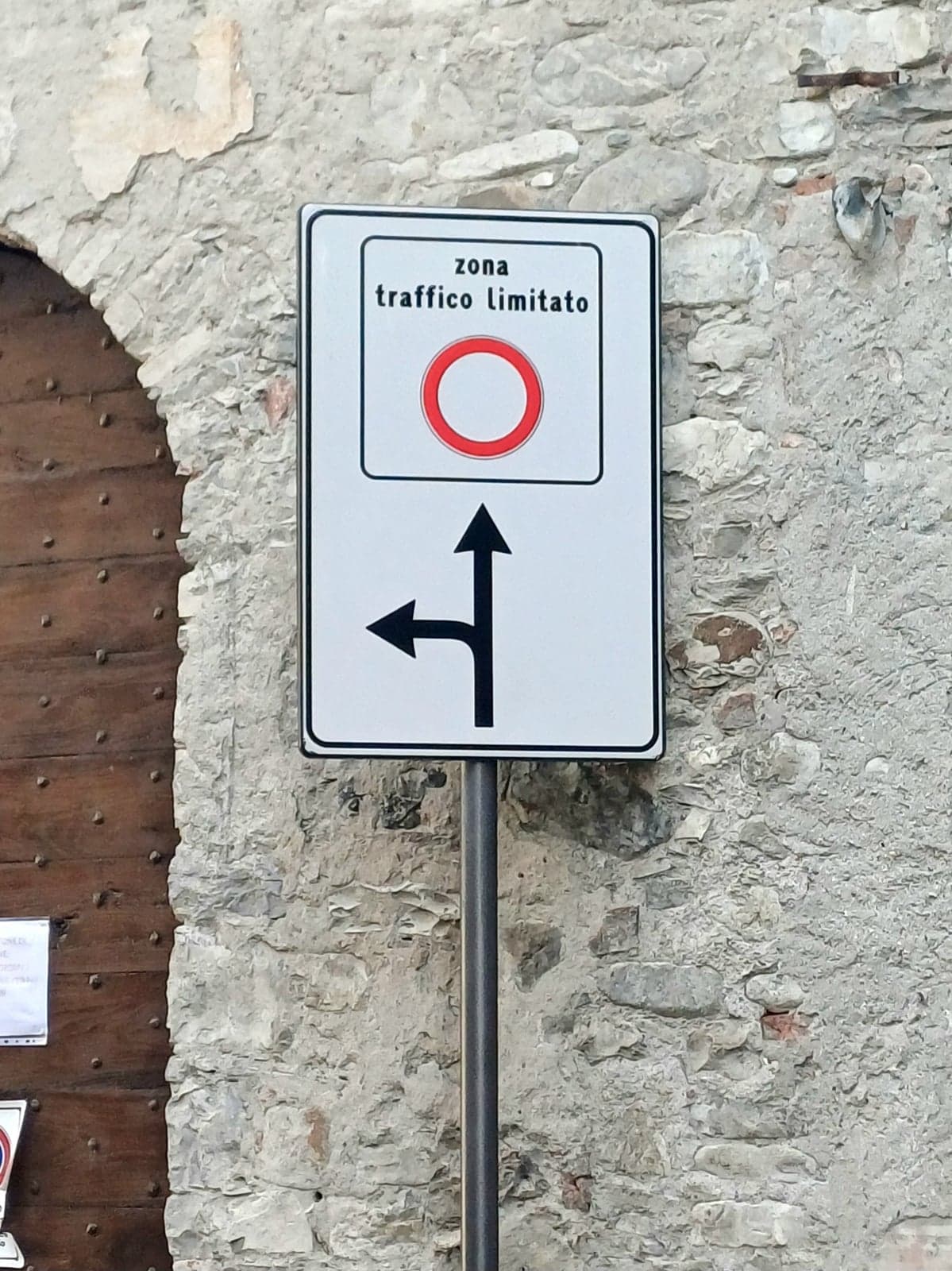
Two rules that cost money quietly. ZTL zones - the limited-traffic centers of towns like Ortisei and Cortina - are camera-monitored; drive in without a permit and a fine follows you home months later (a wrong turn while hunting for hotel parking can cost around €100 - €115 once fees land). And winter equipment is mandatory from November 15 to April 15: your car must have winter tires fitted or carry chains, and only tires stamped with the 3PMSF alpine symbol qualify - the old "M+S" marking no longer counts.
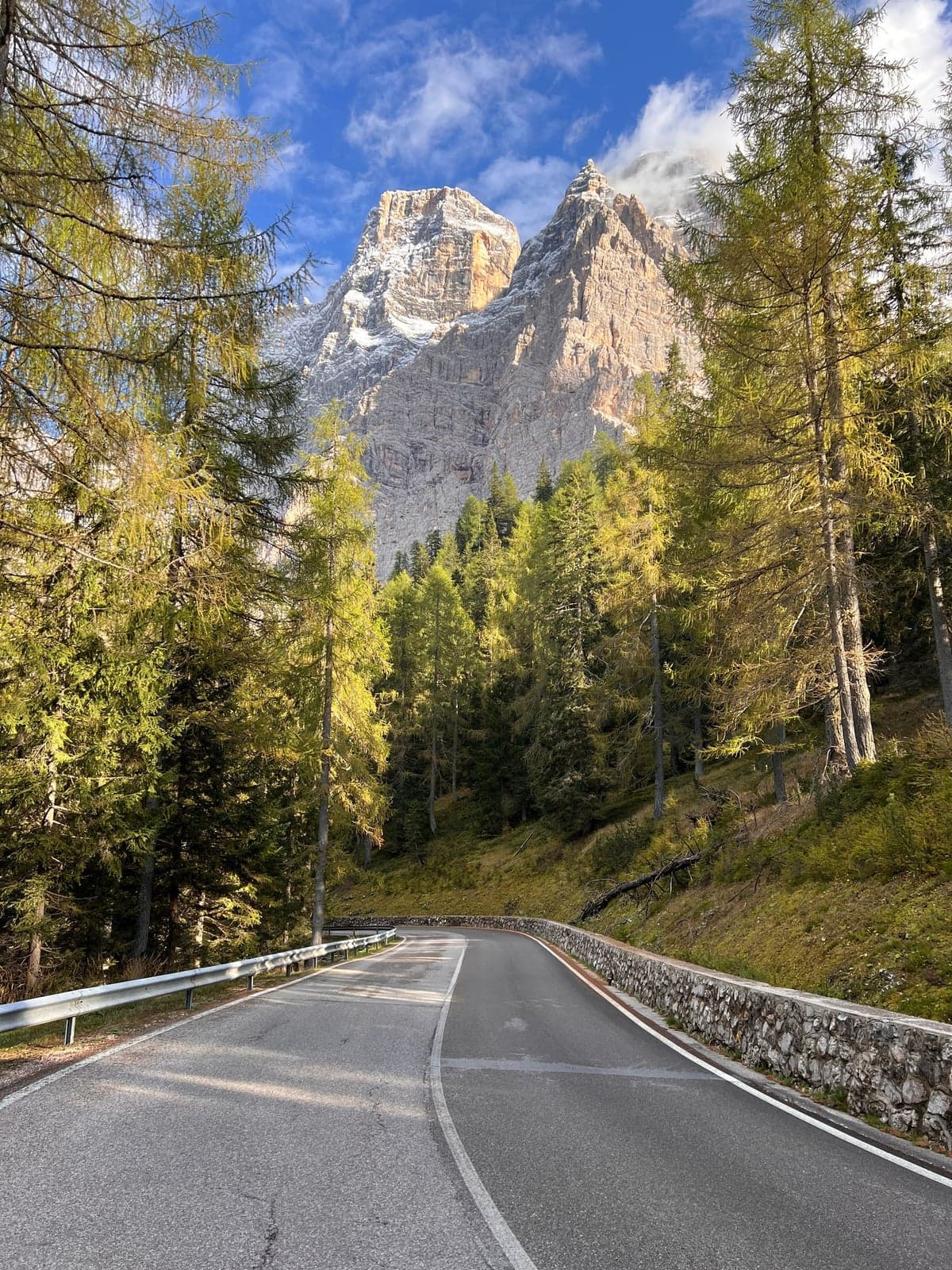
There's a newer wrinkle worth checking before you build a driving itinerary: the Dolomites are steadily tightening access to their most scenic roads. Passo Gardena is the test case - an anti-overtourism restricted-traffic pilot starts there in September 2026, and from 2027 the full scheme is slated to run May through October, with 150 parking spots a day reservable online and exemptions for residents, workers, and hotel guests; the plan still awaits final approval from the province of Bolzano. The road up to the Alpe di Siusi meadow is already closed to private cars between 09:00 and 17:00 - you drive up before nine or you take the cable car, and which door onto Alpe di Siusi suits your day is worth settling before you set out. More passes join this list every season, so check the specific road you're planning the night before rather than trusting a map, or a memory, from last year.
Headed for Tre Cime di Lavaredo? One arrival fact belongs here: the toll road up to Rifugio Auronzo can still be snowed shut in late May, which turns the approach into a 7 km walk uphill just to reach the trailhead. The license-plate reservation and the 444 shuttle that spare you that walk in season are their own small system, set out in the full Tre Cime access guide rather than half-explained here.
Car-free: the pass, the buses, and the app
Going without a car means learning two or three chains by heart, because nobody flies straight into the mountains - it is almost always a train, then a regional train or bus, then a local bus. The one exception is Cortina: the Cortina Express coach runs direct from Venice Marco Polo airport to town, no train involved, and it's the connection I'd book first - the timetable and the booking link are in the getting-home section below. The rail chain from Venice still works if the coach times don't: take the train to Calalzo di Cadore, the nearest station to Cortina, then a Dolomiti Bus or the Trenitalia "Cortina Link" shuttle up to town - figure on about three and a half hours door to door, with tickets sold on Trenitalia's official site. Starting from the airport, board at Venezia Mestre on the mainland rather than backtracking into the lagoon for Venezia S. Lucia. From Milan, ride the high-speed line to Verona Porta Nuova, change to the regional train to Bolzano, and catch bus 350 to Ortisei, a run of about 57 minutes that travelers rightly call the easy part of the trip - the südtirolmobil journey planner strings those connections together with live times.
Not every hotel includes a Guest Pass, and if yours doesn't, you buy your own: the South Tyrol Mobilcard runs €22 for one day, €32 for three, and €52 for seven, and it is the single ticket that moves you around the region. It rides the same network the free pass does; you are just paying for the days directly. Buy it before your first ride, not on board it - current fares and sales points are on the official South Tyrol Mobilcard page.
⚠️ Warning
The pass covers a lot, but not everything, and the gap is where people get caught. A Guest Pass or Mobilcard is good on South Tyrol's regional trains and buses, and some cable cars - but not on the Cortina Express, the ATVO airport coaches, or private tourist shuttles, which run under Veneto or private operators and are paid separately. And a valid pass you never activate is a fine waiting to happen: validate it at the blue machine, or by scanning the QR code, before you board. Every time.
One tool keeps a car-free day on schedule better than the pass does: the Suedtirolmobil app. Google Maps turns unreliable once you're around Belluno and the eastern Dolomites, quietly routing you onto buses that don't run, so the local journey planner is the one I actually trust for departures - and it is where the late-September schedule cuts show up before they can strand you. That only works if your phone has data the minute you land, which is the piece most people leave to chance.
Get data the moment you land, before you need the Suedtirolmobil app
A few small things wreck a day out of all proportion to their size. Don't drag a 28-inch suitcase onto a regional train to Bolzano or Calalzo - the stops last two minutes, the steps are steep, and there is nowhere to put it. Carry a few coins or have a ticket ready in the app before you flag down a Dolomiti Bus, because the driver's reader doesn't take contactless the way you'll expect it to. And when the QR scanner on board is broken, which happens, have a fallback ready - a screenshot, or the cash - so a ticket you already paid for doesn't turn into an argument at the front of the bus.
Some trips simply defeat the buses. The classic one is crossing from the western valleys to the eastern, Ortisei over to Toblach and the like, which by public transit becomes a half-day of changes for a distance a car covers in an hour; at that point, paying for a private transfer just to rescue the day stops looking extravagant. If your base sits off the bus network, or a west-to-east leg is breaking your itinerary, a pre-booked door-to-door transfer from the airport is the fix that buys the day back.
Book a private airport transfer
Skip the bus relay - a pre-booked transfer runs straight from the airport to your base
One last mile is worth flagging on its own, because it doesn't run like the others. For Lago di Braies, a regional train to Villabassa or Monguelfo plus bus 442 gets you within reach - but in high summer the lake sits behind its own paid reservation that neither the Guest Pass nor the Mobilcard covers, booked separately and strict about it. The step-by-step for booking that last leg to Braies lives in its own guide, where the reservation dates and the booking system get the room they need.
When to come, and getting home
The reliable window is June through September: the lifts run, the buses hold their full timetables, and the high trails are clear of snow. The two edges of that season are where plans break, and they break in opposite directions - so if you're booking shoulder-season dates, look up the real running times on suedtirolmobil.info for the days you'll actually be there, not the peak-summer ones a blog quotes back at you. A cable car or a bus line that ran every hour in August is a very different animal in late May or in October, and the difference is the whole trip.
⚠️ Warning
Two dates strand more plans than any strike does. Late May: the season may not have opened yet - lifts and mountain services can still be shut for the winter, so a trip built around one specific cable car can arrive to find it idle. After the third week of September: buses and cable cars cut their schedules hard, and the hourly connections summer trained you to expect simply stop being there. Same mistake both times: trusting the summer timetable outside summer.
Winter is its own trip, not a late version of this one. If you drive in the cold months the tire rules from earlier still apply, and they're enforced; otherwise, treat November through April as a different guide altogether.
Getting home deserves the same care as getting in, and it's the leg people improvise - usually at the worst possible moment. Don't cut the last bus fine after a long day out: miss the last bus 180 from Lago di Carezza - it leaves around 20:00 - and you will find that a mountain taxi at that hour is very nearly a myth. If you're routing back to Venice out of Cortina, the Cortina Express runs the airport connection year-round - the posted timetable is valid June 19, 2026 through June 9, 2027, with only the seasonal side routes limited to summer - but the seats sell, and the last afternoon departure is the one that leaves lingering hikers behind. I book the return on the Cortina Express timetable and booking page the day before I need it, print it, and don't let a fine final morning on the trail talk me into gambling on a walk-up seat.
The Dolomites day trip from Venice: a straight verdict
Plenty of people try to see the Dolomites from Venice in a single day, and the idea deserves a straight answer: yes, you can do it, and no, it is not the day most people are picturing. Out and back from Venice runs ten to twelve hours - the drive to Cortina is two hours on paper, closer to two and a half each way with summer traffic - and no clever choice of departures shaves that down; done for real, it is a long and limiting day. The bigger trap is ambition. Try to wedge Venice, the Dolomites, and Venice again into a single loop with a few scenic stops squeezed in, and you spend more of the day in transit than standing in front of anything at all.
The honest fix, and the one I'd push on anyone with the flexibility to take it, is to give the mountains a single night - even one overnight turns a forced march into an actual trip. But if one day is genuinely all you have, a cruise stop, a fixed itinerary, a connection you can't move, then the humane way to spend it is to let someone else do the five hours of driving. A guided small-group tour is the sane version of the Venice day trip: you trade the wheel and the parking hunt for a seat and a booked return, and you see a lake and a pass instead of a windshield. It is also the realistic answer for car-free travelers, who end up choosing among tours regardless, none of them cheap - so pick one on purpose rather than taking whatever the hotel desk pushes across the counter.
What separates a good tour from a bad one is the same thing that wrecks a do-it-yourself attempt: how much of the day is spent moving. Look for a capped small group, a named lake and a named pass on the itinerary, and recent reviews that talk about time actually on the ground - and skip anything that reads like a drive-by with a string of ten-minute photo stops.
If you would rather not share a van, a private day tour costs more but bends the day to your own pace and collects you at your door.
Frequently asked questions
- Can you visit the Dolomites without a car?
- Yes, and in the South Tyrol valleys it's genuinely pleasant - base yourself in a main town like Ortisei and a Guest Pass or Mobilcard carries you on buses and trains that run on schedule. The limits are the marquee high hikes, most of which sit beyond bus reach, and the slow west-to-east crossings between valleys. Great for a valley-based trip, limiting if the highest trails are the whole point.
- What's the closest airport to the Dolomites?
- Venice Marco Polo, roughly a two-hour drive to Cortina and with direct flights from the US. Innsbruck sits closer to the northern valleys, but it has no nonstop US flights and turns awkward without a car, so Venice is the right door for most travelers.
- How far is Milan from the Dolomites, and is it worth flying into?
- Figure on a four to four and a half hour drive, and you pay that time twice, coming and going. It's worth flying into Milan only if your trip already routes through the city; as a pure gateway to the mountains, Venice gets you there in roughly half the time.
- Do you need snow chains or winter tires to drive in the Dolomites?
- From November 15 to April 15, Italian law requires every car to have winter tires fitted or carry snow chains, and only tires stamped with the 3PMSF alpine symbol count - the old "M+S" marking no longer qualifies. If you're renting for a winter trip, confirm the fitment at the counter rather than assuming it.
Settle the two decisions before you board - which gateway, and car or no car - and everything downstream falls into place behind them. Get them right and the Dolomites are a scenic couple of hours from the arrivals hall; get them wrong and they turn into an all-day relay of missed buses. The planning is the price, and the mountains are the payoff.