George Mandrovny
Which Italy You're Going To Decides Your Month
Italy runs three seasons at once, so the month follows the Italy you picked: the coast peaks in July and August, the mountains in February, and the art cities never really peak at all.
Those are measured peaks, not impressions. High summer is both the month you get at the coast and the month you pay for. A city has no equivalent month, which makes a city trip the only one of the three that can take a cheap month.
A trip that mixes cities and coast narrows to April or October, and that is a trade rather than an answer: April gives you less rain and much longer days, October gives you the warmth, and crowds run heavier in October than in November but lighter than in April. The trap that ruins an otherwise good month is Easter - check where it falls before you book anything.
The pressure behind all of this is concentrated. Roughly 262 million overnight stays landed in the four months from June through September 2023, which was 58.6% of that entire year. The direction of travel since is up: 2024 set a record at over 466.2 million stays, 54.5% of them foreign.
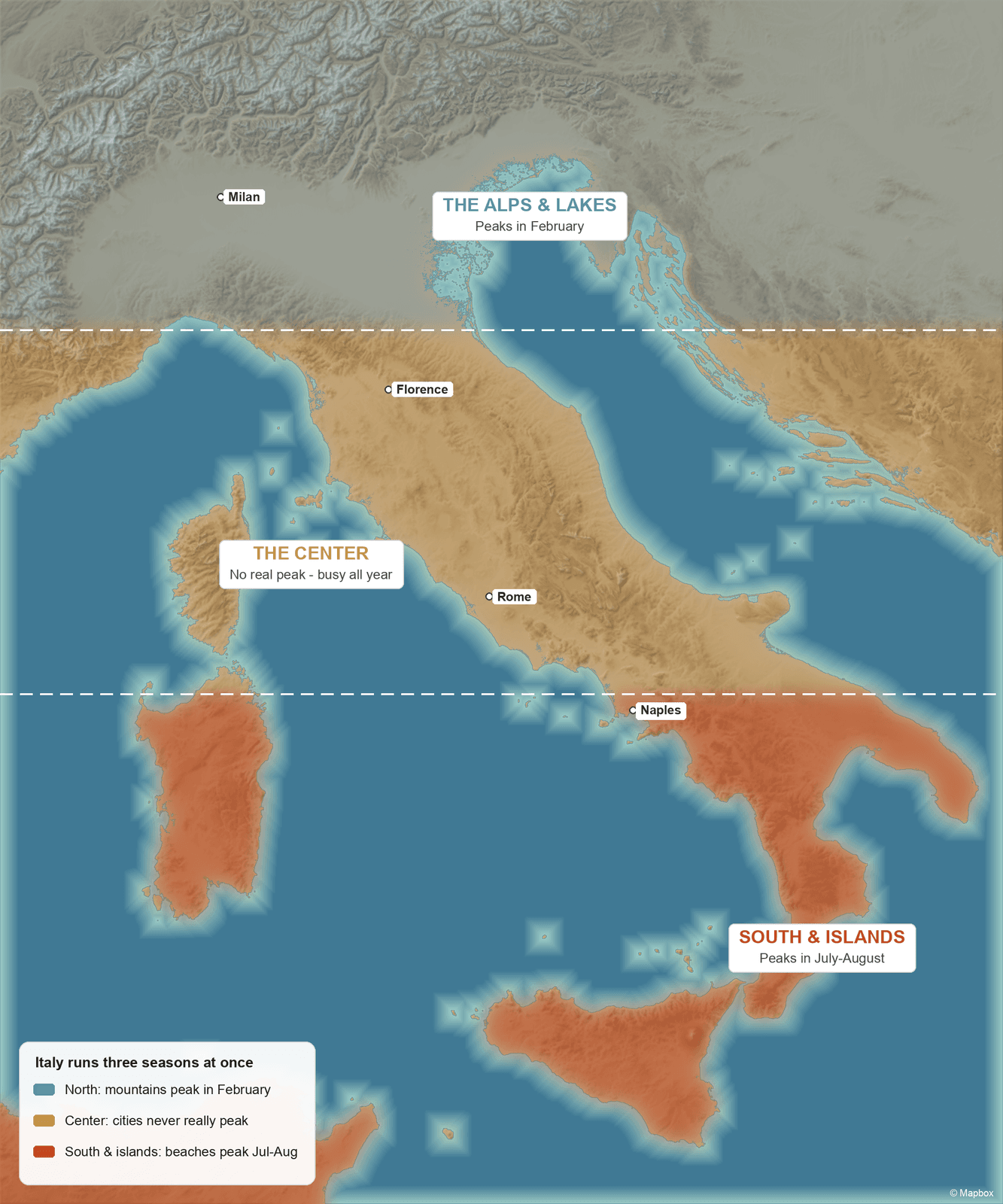
My own planning for Italy starts on the map rather than on the calendar, because the country sorts into three bands. The Alps, the Dolomites, and the lakes sit across the top. The center holds Tuscany, Umbria, and Rome. Then the south and the islands, which behave like a different country for a good part of the year. A month-by-month grid flattens all three into a single row, and that average is nobody's actual trip - least of all a trip with both a mountain and a beach in it.
That is the order the rest of this follows: which Italy, what its window actually is, what the calendar does to it, and what you book first.
Beaches, Mountains and Cities Peak in Different Months
Italy's beach towns peak in July and August, its mountain towns in February, and the big art cities have no real peak at all. The national occupancy figures behind that split cover the fifty most-visited towns in 2023, measured one band at a time.
| Which Italy | Peak month | What the occupancy figures show |
|---|---|---|
| Beach towns | July - August | Over 80% of beds booked: Forio 95.8%, Ischia 87.5%, Cesenatico 84.7% |
| Mountain towns | February | Ski season fills them: Selva di Val Gardena 88.9%, Castelrotto 85.9%, Livigno 67.9% |
| Big art cities | Moderate, not always summer | Peak only 40% - 60%: Naples 57.4%, Venice 54.6%, Rome 53.2%, Florence 49.4%, Milan 41.5% |
Read the table as a contrast between three kinds of place, not as a crowd forecast. The share counts nights sold against every bed a town keeps on its books, closed-for-the-season rooms included, so it measures when demand arrives in each band, not how crowded a street feels in a given week.
And these calendars are not neighbors. Five months separate the mountain peak from the beach peak, which is the arithmetic behind the missing single answer: whatever month you name sits at the top of one band's year and nowhere near the top of another's. The fifty may not include the town you have in mind. Sort it into the band it behaves like - sand, altitude, or museums - and the peak month comes with the band.
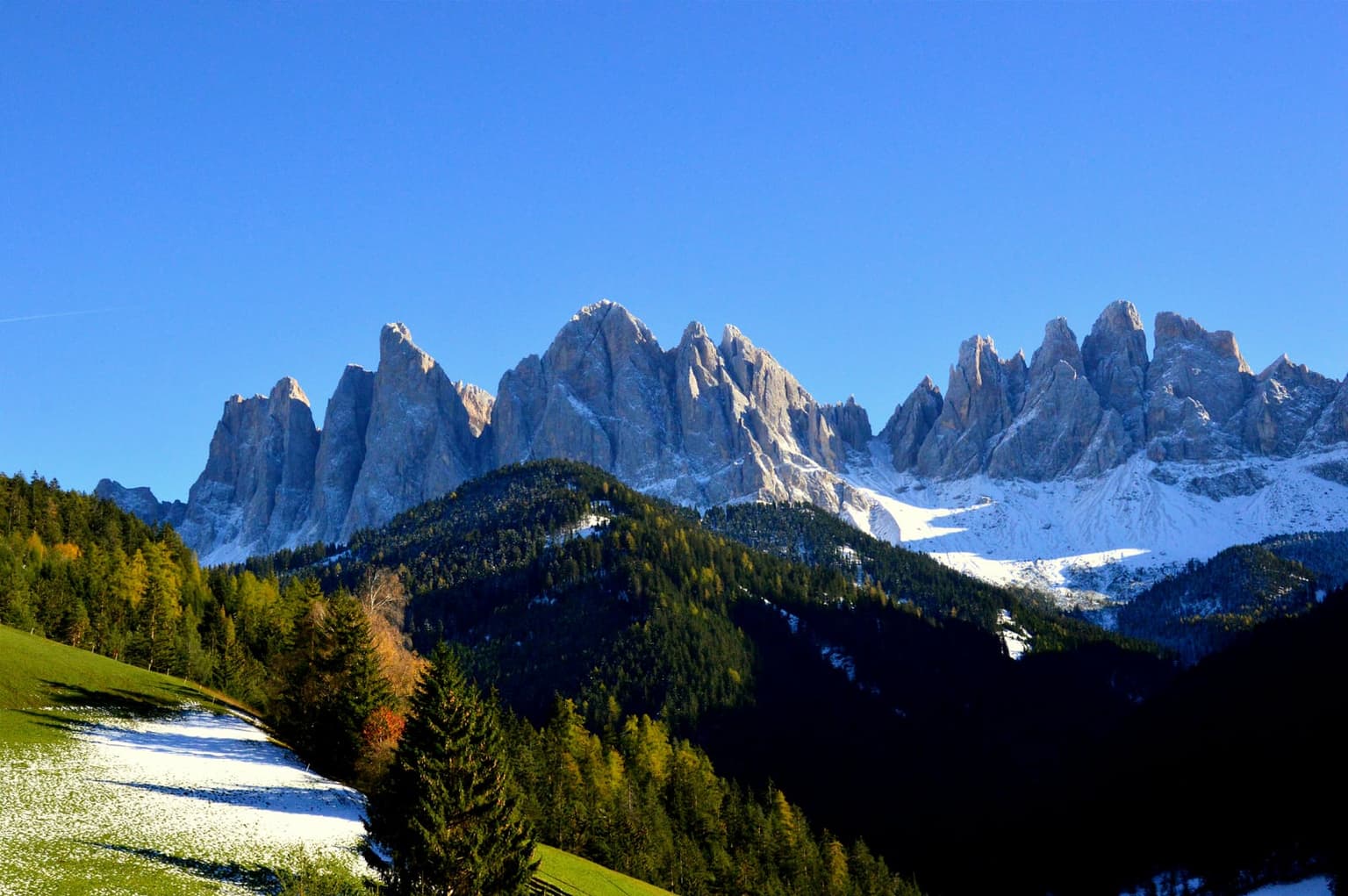
Two of those mountain names are ground I know well: Castelrotto is the town Alpe di Siusi belongs to, and Selva di Val Gardena is next to Seceda. Take February from that row as the fullest month and nothing more; when the high trails and lifts are actually running is a separate question with a mountain's own answer.
Is There Still a Shoulder Season in Italy?
The shoulder season still exists in Italy, but it is a weather-and-price shoulder now, not an empty-Italy one. Crowds run April through October. Florence is crowded routinely, and October in Rome reads as busy rather than as a lull, so anyone picking a month to dodge people is solving the wrong problem.
Where it pays hardest is at the places that live off a season. There the discount and the shutters travel together: a suddenly reasonable rate usually means that place is near the end of its own season. The transport around such a place thins out on the same terms.
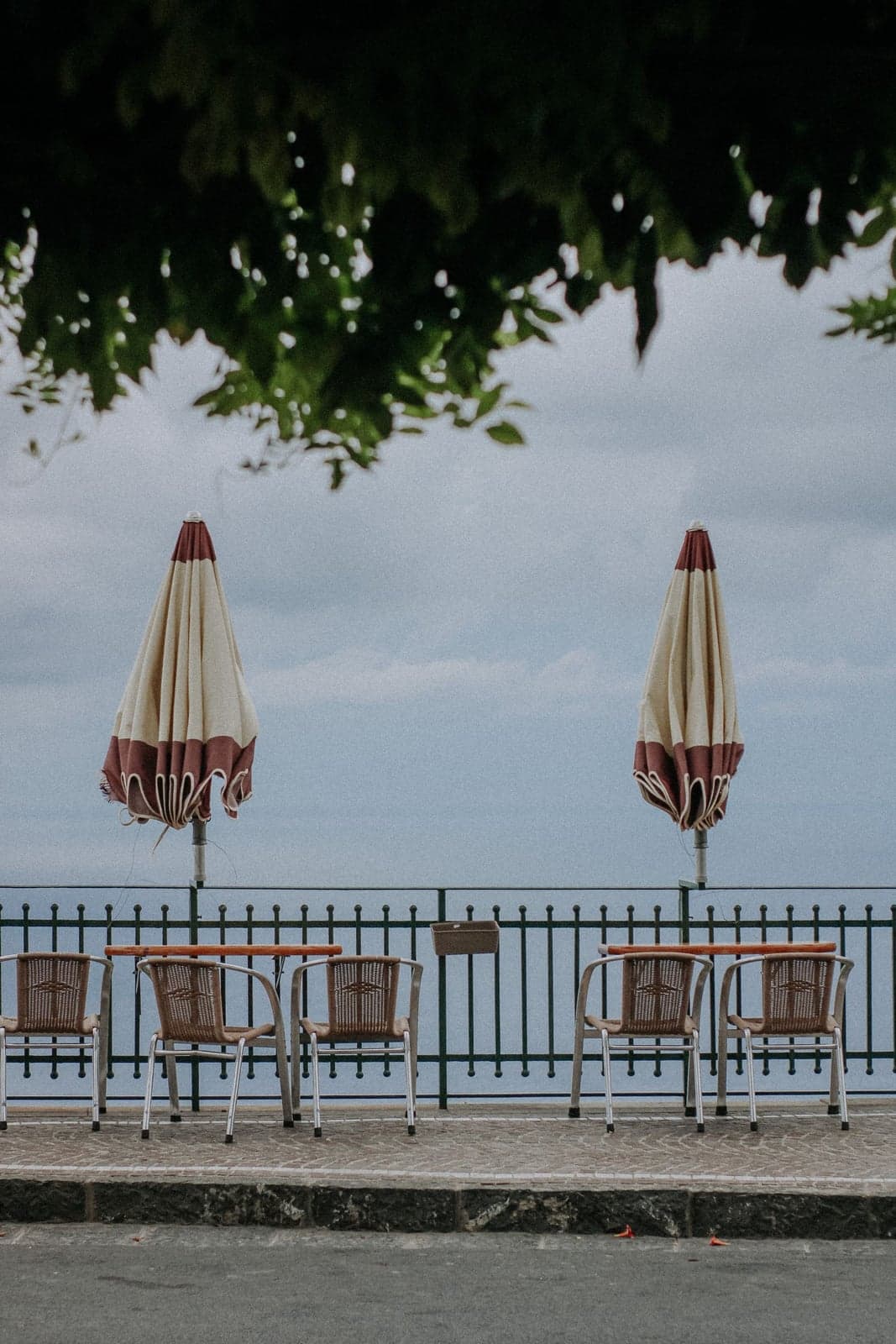
What the shoulder does not buy is Italy to yourself. In 2023, May and October together drew roughly 41.6 million foreign overnight stays against about 21.5 million from residents, so the shoulder months are the international ones. Italians are at work. The people beside you in Florence read the same advice you did.
Pick the side of the April-or-October trade by the variable you can least afford to lose, and do not treat fall as the safe answer: September has been arriving hot, the first days of October with it. March is the other gamble - short days, more rain, gardens not in full bloom - fine for cities, wrong for the countryside, where May delivers.
⚠️ Warning
Late in the shoulder, work out how you will reach your room after dark before you book it. Off-season service winds down earlier than a front desk does, and a late arrival can leave you looking at a closed ticket window with your bags.
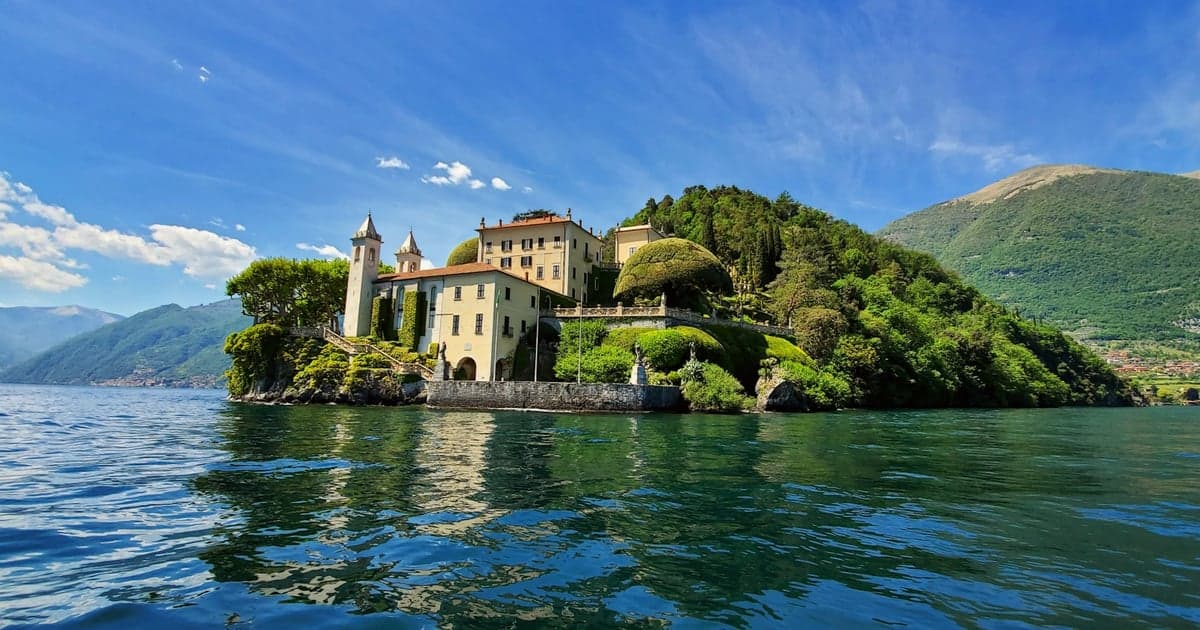
On the lakes that timing runs on a calendar of its own, not the country's, and it is specific enough to look up: my Lake Como season guide is where the lake's own weeks - open, shut, and cheap - are worked out.
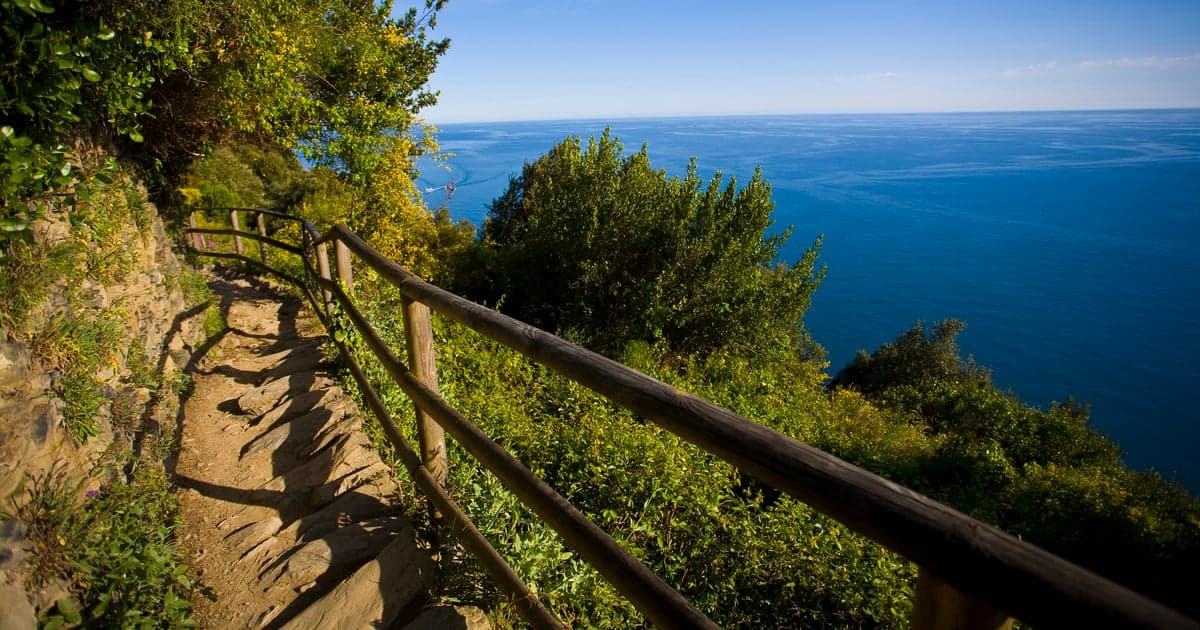
Coastal trails are a second season decision stacked on the month: the shoulder is when they are both open and walkable, rather than one or the other. Before counting on a walking day down there, check the Cinque Terre trail season.
If You Can Only Travel in July or August
High summer is survivable on one condition: the plan gets rebuilt around the hours and the altitude, not around the sights list. Otherwise the month does the editing for you.
Heat here is a scheduling problem before it is a comfort problem. Somewhere in the early afternoon the day stops cooperating, and what gets abandoned is not a mood but an itinerary - the walk you penciled in, the afternoon that becomes lying down with a headache. I plan August days backward from the evening: out early, slow and indoors through the middle, and back out when the light goes long. Puglia and Sicily in high summer are not a warmer Tuscany; they are a different problem wearing the same word.
The workaround is altitude. July is a weak answer for Italy unless you are going up, and if you are going up it is not a weak answer at all. Trading a coastal week for a mountain one is the biggest single fix available when the dates cannot move.
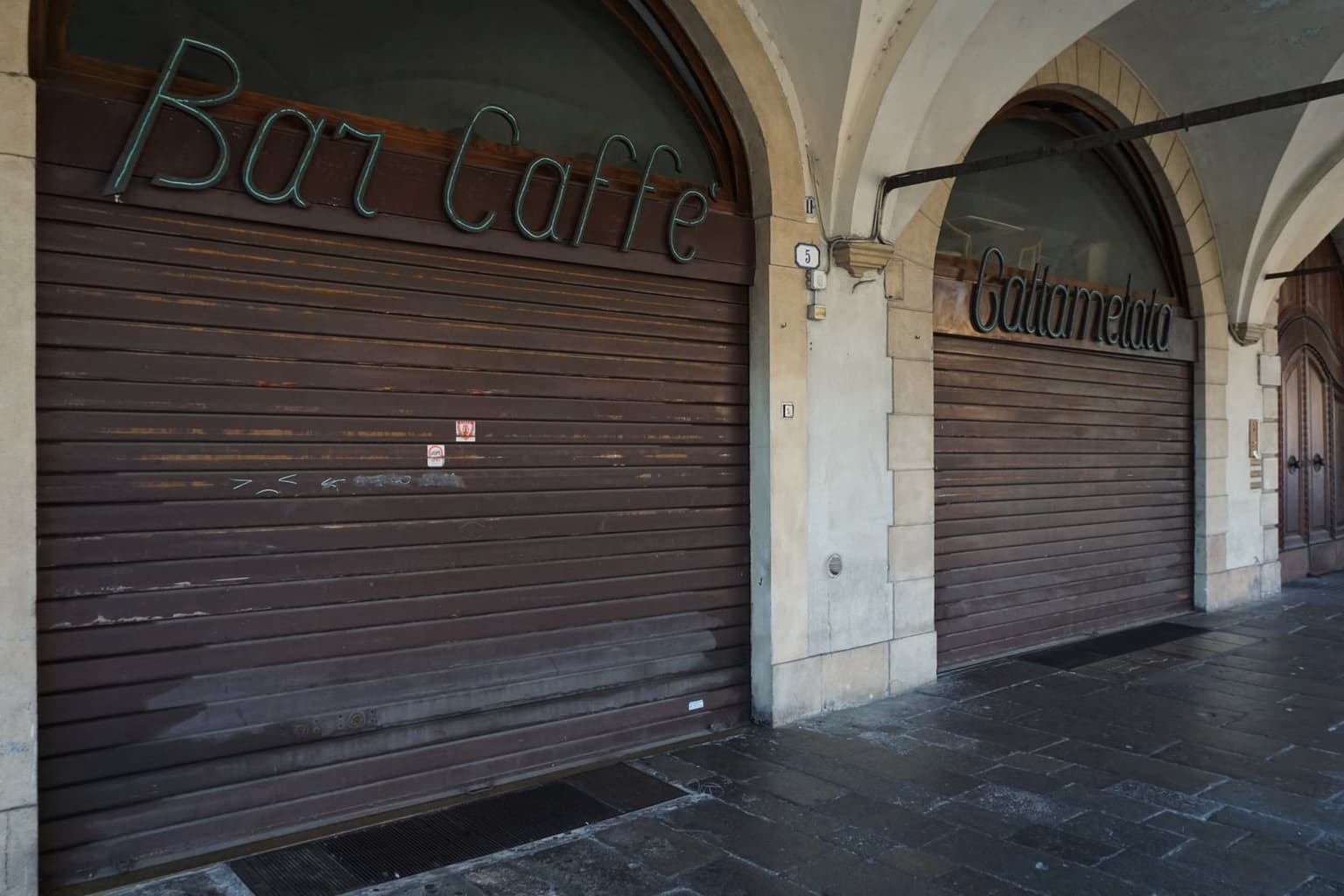
August 15 is Ferragosto, the one national holiday that lands inside high summer. On a national holiday most of the country's working life stops, offices included. What stays open is most of what you came for: cafes, pastry shops, gelaterias, and restaurants keep serving. Museums are the part to check: some cultural sites take a closing day on certain holidays, so a ticketed visit on a holiday date gets confirmed, not assumed. A place that has shut for the holiday says so on the door: closed for the vacation, chiuso per ferie.
Price is the other thing a locked month does. August sits at the top of the year, outside the shoulder band, and no searching moves it back: you are shopping the band, not the perfect hotel inside it.
So decide the nightly number you can live with before you look, then take the earliest acceptable room at it. Look for free cancellation that runs late into the summer, compare totals rather than nightly rates, and skip the nonrefundable discount in a peak month - flexibility is the thing you are buying.
November Through February: What's Dark and What's Open
Winter in Italy is not one season either. It is the mountains' busiest month and the cities' quietest, and what it actually costs you is daylight rather than warmth.
November is the month to handle with care. Rain is likely and can settle in for days at a time, and behind the rain sits the dark. It can break the other way too: a November week can come out mild, pleasant, and nearly empty. Call it a roll of the dice rather than a bad month.
The one winter Italy I would not build a trip on is the coast, not if the beach is the point. January and February are the weakest months for sightseeing along the Amalfi Coast, and the far south, where people arrive expecting warmth, runs mild rather than warm in midwinter - not beach weather.
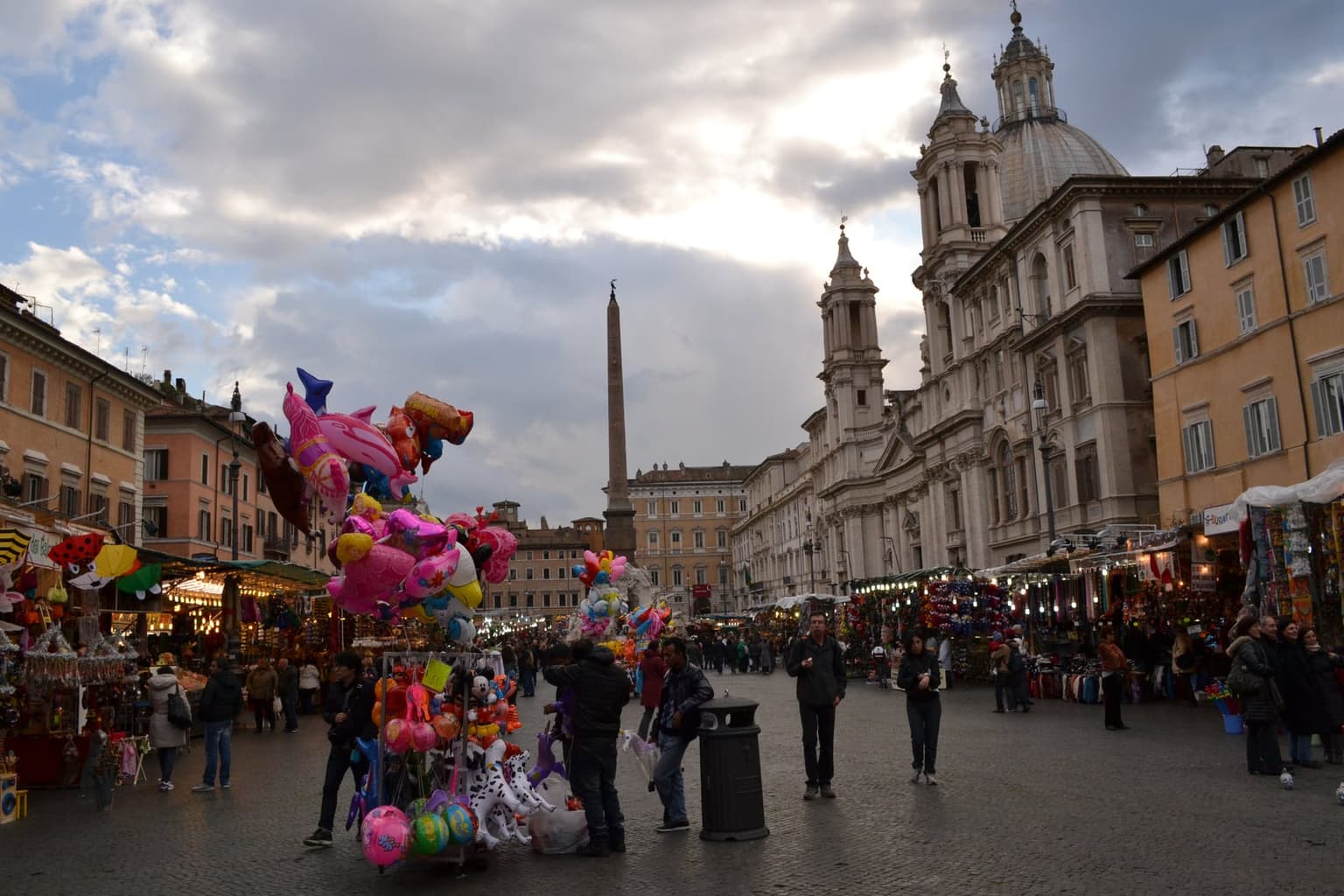
Daylight is the part nobody prices in. In January the light is gone just after 17:00, while a July evening runs past 21:30. That clock is January's, and the far end of February is already pulling back the other way. The consequence holds across the whole window: a winter day sells you fewer usable hours at the same ticket price, and the evening Italy people come for, the after-dinner stroll, happens in the dark or not at all.
Which leaves the two winter Italys that work. February, as the occupancy table showed, is when the mountain towns fill: in midwinter the ski band is not just open, it is at its fullest. The art cities are the other one, and the measurement is blunt about them: they draw all year and never spike. Winter is still the season to take a city trip, short days and all. The crowd is somewhere else. Up north, the Christmas markets are the winter draw that is not a beach.
North or South in the Same Month
Pick a month for Italy and you have not finished choosing. In that same month the two halves of the country behave differently enough that you have to pick a half too, and no month grid can make that call for you. Two halves, not the three bands from the map: on this question the center rides with the north, and the other half is the south with its islands.
Late October is the clearest case, and both of the usual answers are right: go south for the warmth, or stay north and take fall as it comes. That same late October reads as pleasant on Sardinia and in Sicily while Rome and Florence are still working through the crowd. The comfortable window down south is also narrower than the mainland's: early June and late September are already hot there while the north is fine.
| Season | North and center (Alps, lakes, art cities) | South and islands |
|---|---|---|
| Spring | Warms up later than the south; busy by late April | Comfortable before the north, not yet hot |
| High summer | Only the high ground is a good bet | The day splits around the heat, worst in the deep south |
| Fall | Cool evenings and a high chance of rain by late October | Warm later, though late October swimming is not a given |
So there is a sequencing rule I use: run a fall trip north to south, and a spring trip the other way, because the south warms up first. With one fixed week, pick a half and stay in it rather than crossing the country twice.
Moving between the halves is where this turns into a purchase. Pick up in one region and drop off in another and there is usually a one-way fee the daily rate does not show, so find it in the terms first, and check where the drop-off office actually is. Between two big cities the train still wins.
Sicily and the far south stay warm later in the year than anything north of them, which is why they keep coming up in October. Which months actually work down there is the south's own question: the Sicily guide works those months out in full.
Easter, Public Holidays and the School Calendar
Whatever month you land on, three calendars can override it: Easter moves, twelve national holidays are fixed, and the school breaks are regional.
Easter Sunday falls on March 28 in 2027, and Easter Monday the day after. That is early, and it pulls the season forward with it. The date swings about three weeks between years (April 5 in 2026, April 16 in 2028).
Over the Easter weekend the crush lands on the day-trip towns rather than the big cities: Sorrento fills with day-trippers. The good week is the one right after the holiday, when Italians go home - in 2027, the first days of April.
Easter Monday, Pasquetta, is the trap, not Easter itself. Public transport runs limited but available, with trains close to normal, while shops and restaurants are the coin toss. Easter Sunday is the milder of the two: restaurants, hotels, churches, and most museums are open.
⚠️ Warning
Book a spring trip without Easter's date in front of you and it costs you both ends: the week before and the week after are the ones to avoid, and the Monday itself can leave you looking for lunch in a town where the shops are closed.
Twelve dates carry national holiday status, and they bunch: two in the first week of January, Easter and the Monday after it, three inside six spring weeks (April 25, May 1, June 2), one in mid-August, one on November 1, and three in December. A spring itinerary is worth laying over the full list before it is booked.
The tourism ministry's own list of the national holidays and what stays open
The third calendar is the one Italian families plan around, and Italy sets it region by region. Lombardy ends lessons on June 8, 2027 and splits the Christmas break (December 23 - 31, then January 2 - 5). Those dates are Lombardy's alone: neighboring regions set their own, and they do not line up. Only the shape holds nationally: a long summer break from early to mid June, a Christmas block around New Year, and a short break bracketing Easter Sunday.
Once You've Picked the Month, Book in This Order
Picking the month sets a second date, this one at a screen. Italy's tightest tickets are not sold continuously; they are released in batches, on a calendar that has nothing to do with when you started planning.
The Last Supper in Milan is the clearest case. Booking is mandatory for every ticket type, visits run in 15-minute turns capped at 40 people, and reservations open on a quarterly cadence: the slots for September through December 2026 went on sale on June 23, 2026 at 12:00. The museum runs Tuesday through Sunday, 08:15 - 19:00, with last entry at 18:45. The question is not whether tickets exist; it is when the quarter holding your dates opens.

The Last Supper's official booking page, with the quarterly release schedule
Four months out, a schedule can look worse than it is. Trains for April can show as gone in December, and most sights sell only the next couple of months, opening the following stretch in chunks.
A date that comes back gray with no travel solution available is not automatically sold out either: work on the line produces the same empty screen. Re-check in a week before you tear up the plan.
The order follows. Anything released on a calendar or capped by a time slot goes first - I book that before the flight when it is the reason for the trip. Rail comes next, once the fixed points exist. Rooms come last, by which point you know whether you are shopping a fixed high-season band or the tail of a place's own season. Dates near Easter move the whole sequence earlier.
The trip's centerpiece gets the same treatment. If that is a guided visit in Rome, Florence, or Venice, it belongs in the calendar-first bucket with the museums.
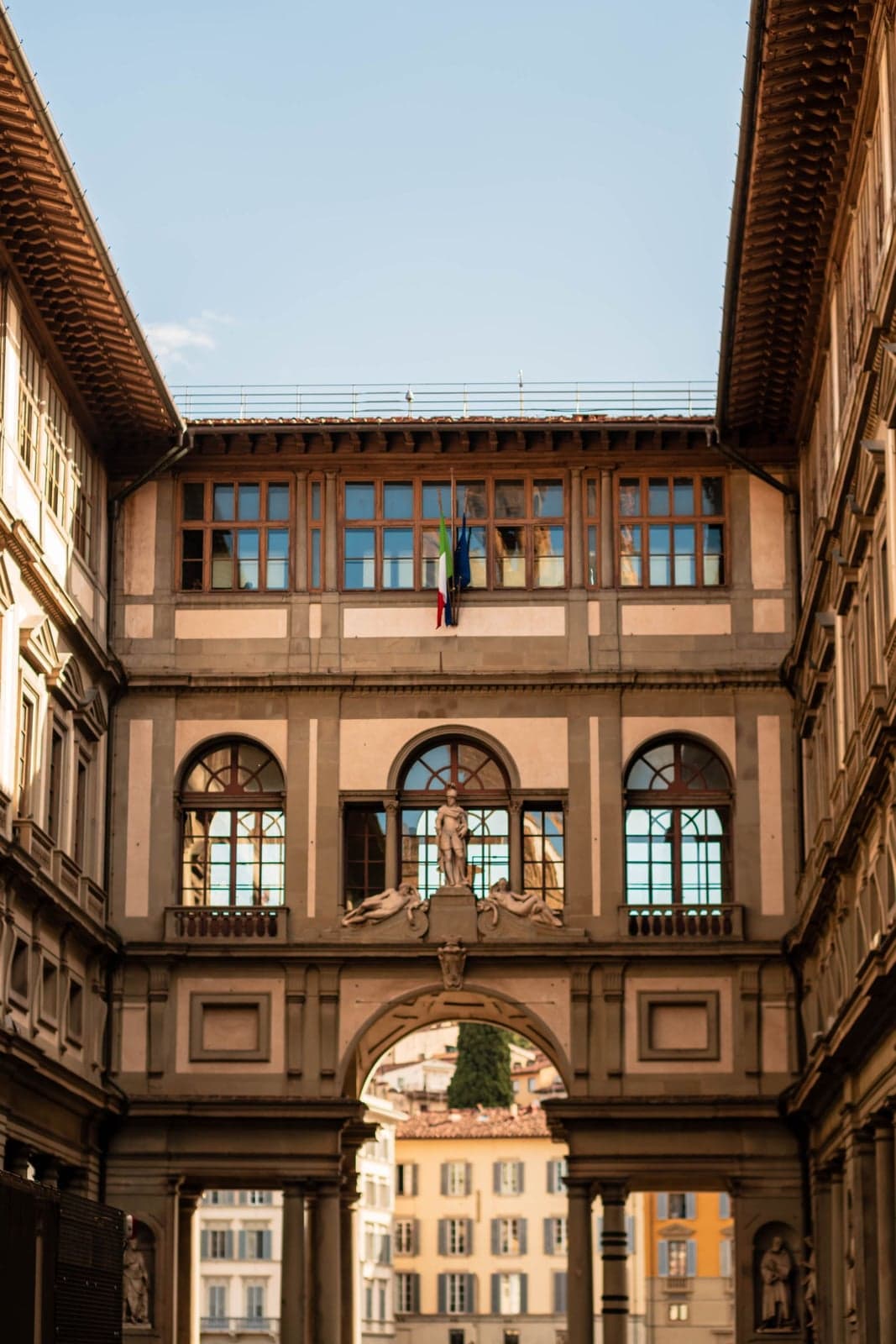
Read what a listing's price actually covers, check the start time against the rest of that day, and in a peak month treat the cancellation window as part of the price: a tour you cannot move is worse than one you never booked.
Common questions about picking your month
- What is the cheapest month to visit Italy?
- A cheap month is one where none of the three Italys is peaking, so it depends on the trip. The art cities peak at only 40% to 60% of their beds, and not always in summer, so a city trip can take a cheap month; a beach week in July or a ski week in February is buying the peak itself. Where a place lives off one season, its rate softens as that season winds down.
- Is August really that bad, and what if it is the only month I have?
- Yes for the cities and the deep south, no for the mountains. If August is the month you have, rebuild the plan around the hours and go up in altitude where you can.
- Can I still swim in Italy in October?
- Do not build the trip on it. Late October swimming is not something to count on anywhere in Italy, and the south gives the best odds.
- How far ahead do I need to book for April or Easter?
- Start with whatever is released on a calendar or capped by a time slot, then rail, then rooms. Easter Sunday falls on March 28 in 2027, which pulls the whole sequence earlier than 2026's April date did.
- North or south in October: which one actually works?
- Both answers are defensible, which is the point. October reads pleasant on Sardinia and in Sicily, while Rome and Florence are still busy. Go south if the trip is about being outside; north if it is about the cities, and take the crowds as the price.
So the question was never which month is best for Italy. Pick the Italy first, the coast or the mountains or the cities, and the month arrives attached to it. Everything after that is bookkeeping against a date you already chose.