George Mandrovny
When to visit Lake Como, in one paragraph
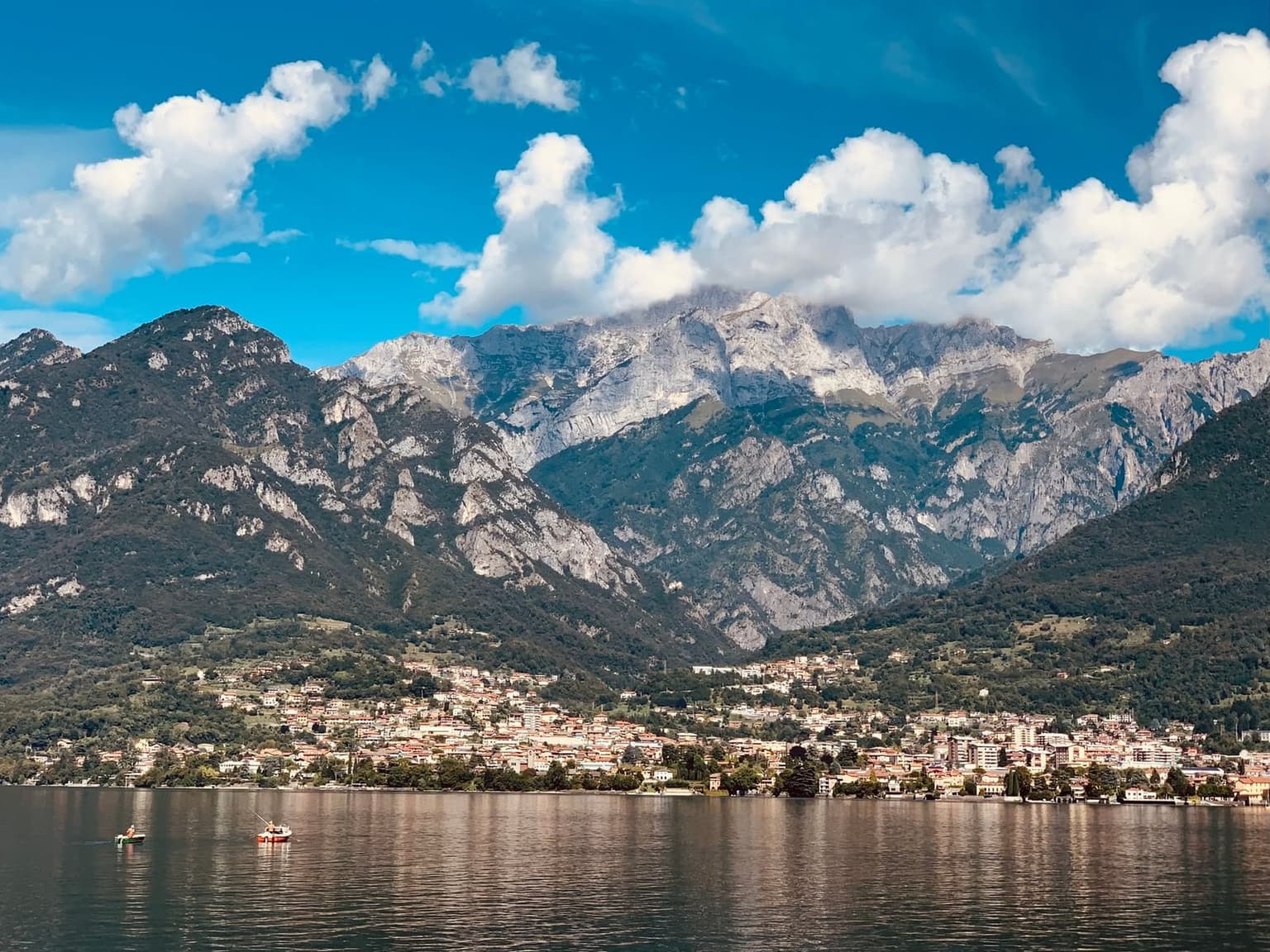
Come mid-April to mid-June, or in September. Those are the windows when the weather behaves, the garden villas are open, and the lake looks like the reason you booked the flight without the deep-summer crush. The trap to sidestep is July and August: hot enough to wilt (heat waves push past 95°F / 35°C), packed on every waterfront, and prone to afternoon thunderstorms. The other trap sits at the far end of the calendar - from November to February a good half of the lake pulls down its shutters.
I'll be honest about the thing every forum argues over: Lake Como no longer has a secret quiet season. Spring fills up now, and October is not the empty postcard it was a decade ago. What you get instead is a set of trade-offs, and picking the right month is really just picking which trade-off you can live with. Here is the whole year at a glance before we take the seasons one at a time.
| Season | Crowds | Weather | What's open | Best for |
|---|---|---|---|---|
| Spring | Building fast | Mild, showery | Gardens from late March | Blooms and villa gardens |
| Summer | Heavy | Hot (to 95°F/35°C), muggy | Everything, lidos open | Swimming, long days (and peak crowds) |
| Fall | Eases through October | Warm, then wet | Villas to early November | The all-around sweet spot |
| Winter | Sparse | Cold, often clear | Como city, little else | Christmas lights, low prices |
Spring: the gardens wake up (mid-March to May)
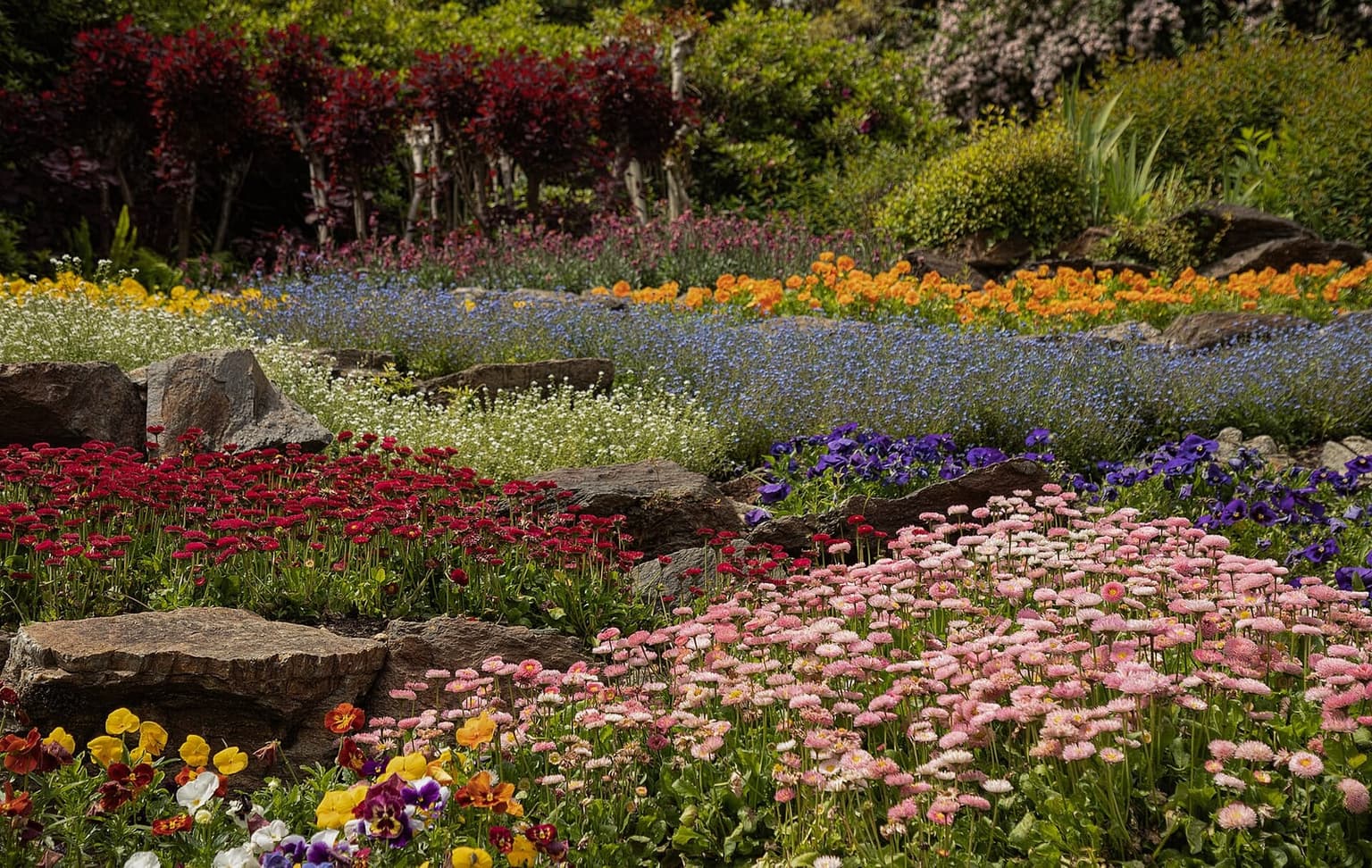
Spring is the one season with a single, unarguable reason to come: the garden villas open, and for a few weeks the terraces above the water turn into a controlled explosion of camellias, rhododendrons and azaleas. This is the show people picture when they picture Lake Como, and it runs on a tight calendar. The big three open within a day of each other - Villa Carlotta from 20 March, Villa Melzi in Bellagio from 21 March, Villa del Balbianello on its promontory near Lenno a touch earlier, in mid-March. Villa Melzi runs to the end of October; Carlotta and Balbianello hold on into early November. Peak bloom is roughly mid-April into May, and it is worth timing a trip around.
Spring comes with its own catch. March is genuinely calm - thin crowds, cheap rooms - but the ferries are still on their sparse winter schedule and some garden hours are clipped, so you trade bustle for a lake running at half-speed. By late April and through May it flips: everything is open and running, but the day-trippers are back in force and the prices have climbed with them. If you want the blooms without the crush, aim for the first half of May on a weekday rather than a weekend.
Pack for weather that has not quite committed. April and May highs sit around 70°F (21°C), pleasant in the sun and cool the moment it goes behind a cloud. Rain here peaks twice a year - once in May, again in late fall - so May is one of the wettest months on the calendar: it does not rain all day, but it rains. A light waterproof earns its space in the bag.
⚠️ Warning
The garden season runs roughly mid-March to early November and no further - come outside it and the villas that drew you here are shut behind their gates. Villa del Balbianello adds its own quirk: it is closed every Monday and Wednesday even in high season, which trips up a startling number of people who built a whole day around it. Check the current-year calendar before you lock in dates.
Check Villa del Balbianello's opening calendar
Garden season is roughly mid-March to early November - Balbianello closes Mondays and Wednesdays
Summer: the postcard, and the reality (June to August)
Summer is what the postcards are selling, and I won't pretend it isn't beautiful - long golden evenings, the lake dotted with boats, aperitivo tables that run right down to the water. If your mental image of Lake Como is the one that made you book, this is the season that delivers it most literally. It is also the one most likely to test your patience.
Start with the heat. Typical July and August highs sit around 82°F (28°C), and a real heat wave pushes past 95°F (35°C) with the humidity to match - the sort of afternoon where choosing the shaded side of the street becomes a genuine tactic. The lake looks like the obvious relief, and in high summer it delivers: the surface at the swimming lidos warms into the low-to-mid 70s°F (around 22°C to 24°C) through July and August, plenty for a real swim. It is a deep alpine lake, so it runs cooler than the sea and is genuinely bracing back in late spring, closer to 63°F (17°C), but by peak season that cool-water reputation is out of date. Afternoons also carry a real chance of thunderstorms, which arrive fast, dump hard, and clear almost as quickly. Put the outdoor half of your day in the morning.
Then the crowds. July and August are peak, the mid-lake waterfronts of Bellagio and Varenna shoulder-to-shoulder by late morning. What trips people up is that June is now peak too. Two dates make it worse still: Ferragosto, the 15 August national holiday, when half of Italy is also on the lake, and the Italian Grand Prix at Monza - early September, the 4th to 6th in 2026, though check the date for the year you travel. Monza is about half an hour from Milan on the Como line, and race weekend drains the region's hotel rooms and packs its trains.
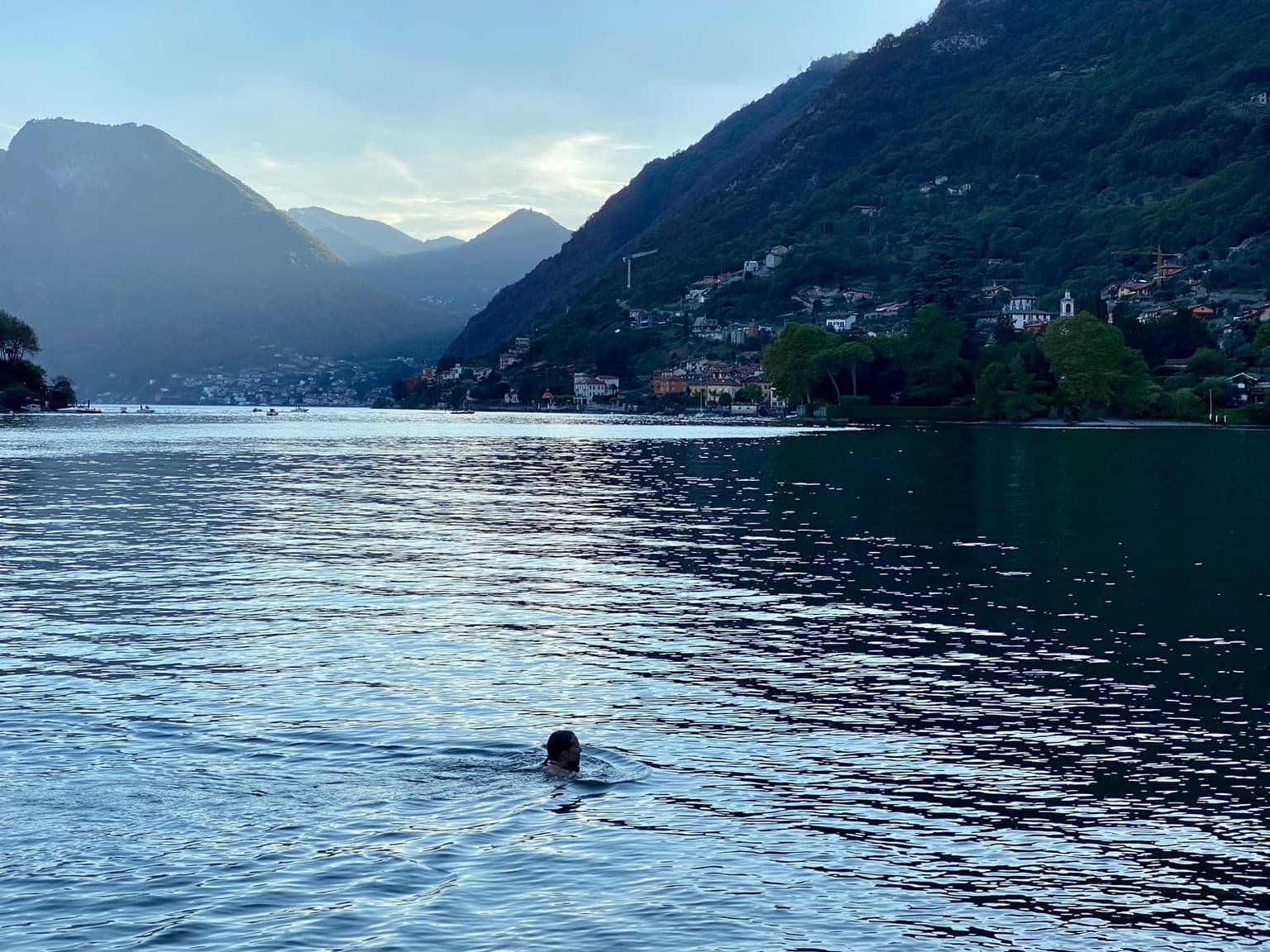
If high summer is your only window, buy yourself some calm: a pre-booked guided day trip or a skip-the-line boat tour lifts the waiting out of the hottest hours, when the ticket lines at the piers become their own small ordeal.
💡 Tip
The dependable way to enjoy the honeypot towns in summer is to be there when the day-trippers are not: first thing in the morning, or by staying overnight so the waterfront is yours before the boats start unloading. More on basing yourself for exactly that further down.
Fall: the quiet-ish sweet spot (September to October)
If I had to pick a single month, it would be September. The heat has broken but the warmth hasn't gone, with highs still sitting around 72°F (22°C). The villas are all open, the ferries are still on their full schedule, and the light stretches long and golden in a way that flatters every stone terrace and cypress. Harvest menus appear. It is a fine season for the lakeside walks and the villa gardens in their last color, minus the summer sweat.
There is one fear worth answering head-on, because people ask it constantly: is September too cold, too rainy, too deserted? No. Early September still carries a summer feel - warm evenings, busy terraces, water still warm enough to swim - and it cools and quiets down only gradually as the month runs on. You are not arriving to a place that has been shuttered and put away for the year. That comes much later.
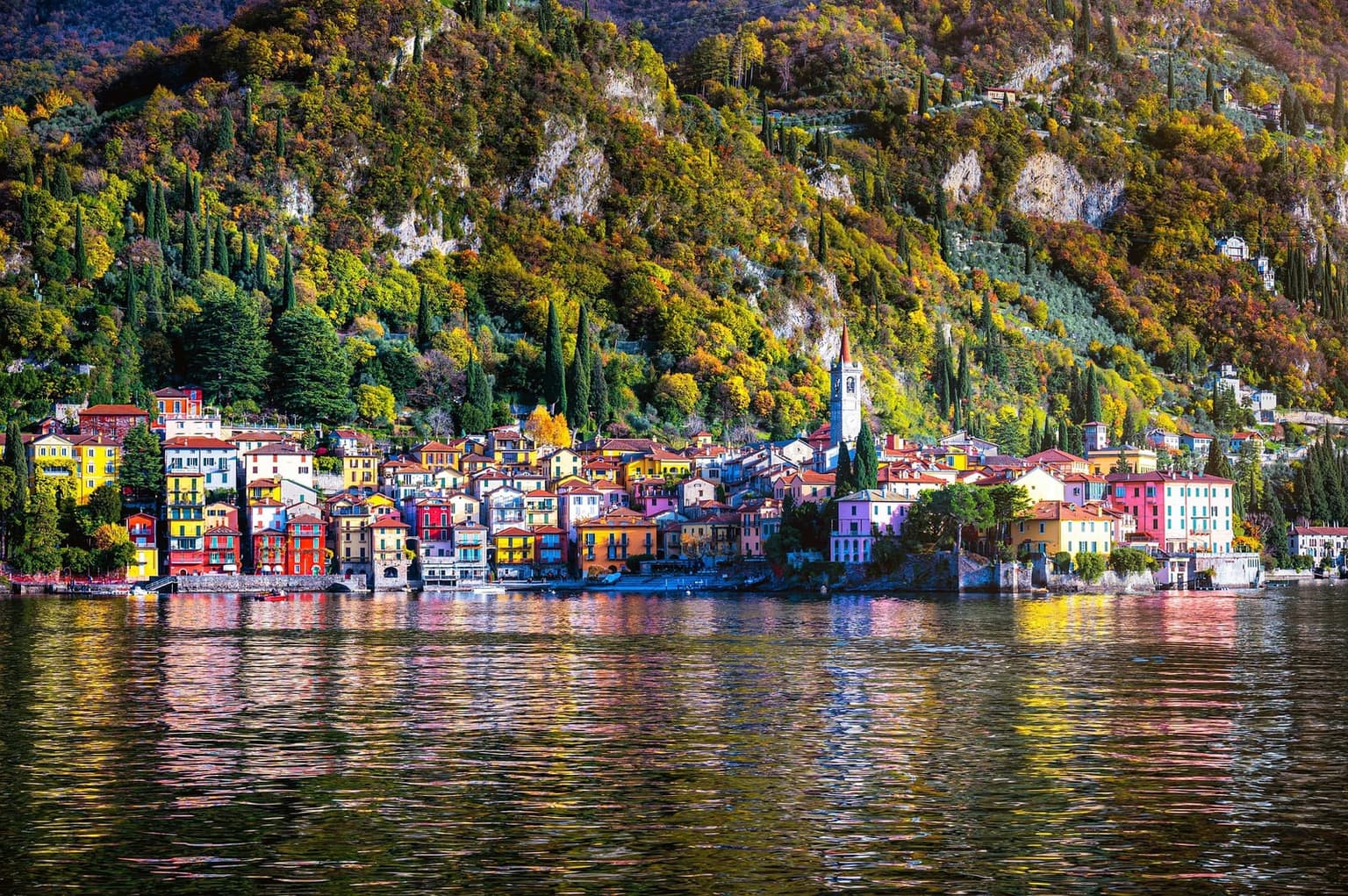
Fall carries two caveats. First, this is the second of the year's two rain peaks - October and November are wetter than midsummer - so a fall trip is a genuine gamble on the sky: some days arrive flawless, others as a solid wall of gray drizzle over the water. Second, the crowds now linger well into October, and you should not count on having the lake to yourself. By early November the season is winding down for real - the garden villas begin closing their gates, and the tail of fall shades into the shuttered quiet of winter.
Winter: lights, quiet, and a great deal that's closed (November to February)
The part the glossy guides skip: from late November through February, much of the lake shuts down for the winter. Many lakefront hotels and the tourist-facing restaurants close for the season and do not reopen until March, and this bites hardest in the small villages - Varenna, and parts of Bellagio, can feel genuinely boarded up. What stays open tends to be the places that serve locals rather than visitors. If you are set on a winter trip, lock in your lodging early, because the pool of open rooms is small and it goes.
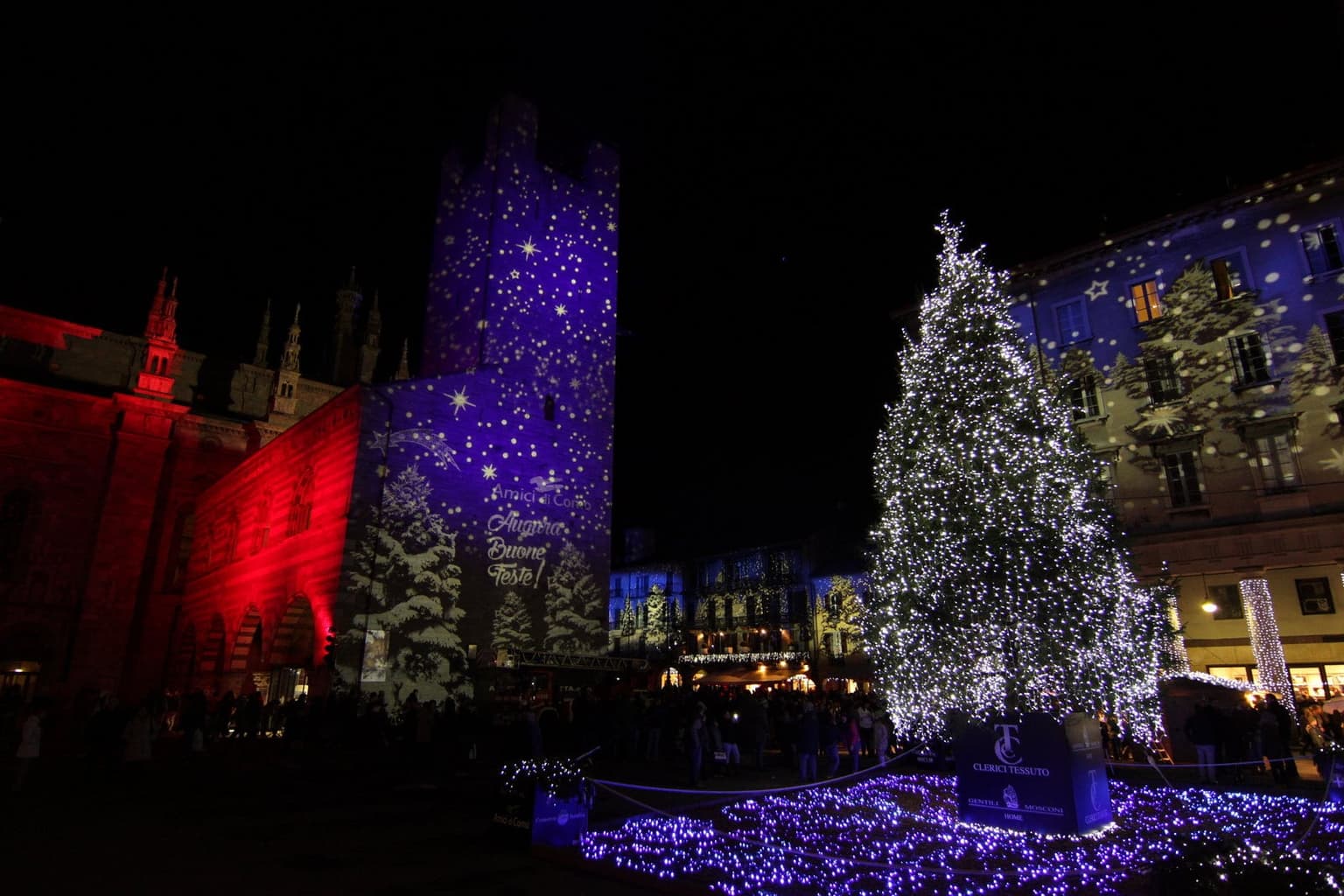
The reason to come anyway is Como city itself in December. Its old-town Christmas lights take over the center from roughly late November to Epiphany on 6 January - the city runs them as Natale a Como, though you will still see the older name Città dei Balocchi on plenty of listings. It is free to wander, with light projections thrown across the historic facades, a big tree lit in Piazza Duomo, market chalets, and an ice rink. It is the one thing on the lake genuinely worth braving the cold for. Dates shift a little each year: the city's Natale a Como site.
Winter weather is cold but not brutal - highs around 48°F (9°C), lows hovering around freezing, an occasional dusting of snow that melts within a day or two. One quiet bonus: fog is rarer here than out on the Lombard plains, so you get more of those crisp, clear, photograph-ready mornings than you might expect. The catch for getting around is that the ferries drop to a sparse winter schedule, so days on the water are shorter and thinner, and the schedule for the coming winter only tends to appear around the end of September.
⚠️ Warning
If you come between November and February, book one of the few open hotels well ahead and base yourself in Como city rather than the small villages - that is where the lights, the open restaurants and the year-round life actually are.
Getting there, and getting around by season
A quick word on logistics, because the season quietly shapes them. Pick your target town first, then the route - the smart answer differs for a day-tripper aiming at Como city and someone hauling a suitcase up to Varenna. Most people arrive by train from Milan, where which station you leave from decides how smoothly the trip goes. Flying in instead, the transfer up from Malpensa airport comes with its own set of choices depending on where you are headed.
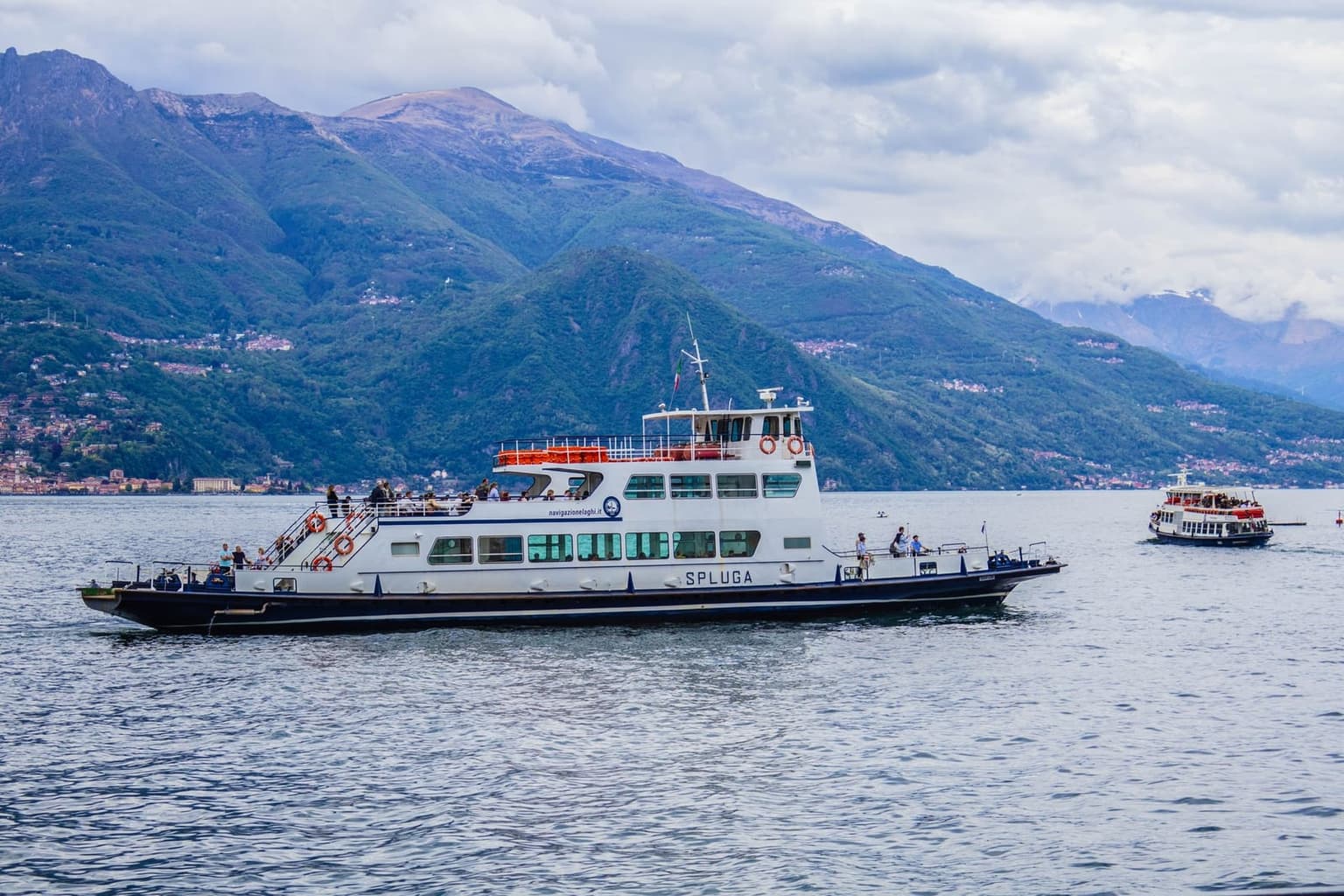
Once you are on the lake, the towns are stitched together by boat. In the warm months the ferries run a full schedule; in winter they thin to the reduced one, so budget shorter days on the water off-season. The boat types, tickets and schedules are their own small science, and the guide that untangles them is worth ten minutes before your first crossing.
Where you base yourself is partly a seasonal call. In summer, an overnight stay in Bellagio, Lake Como's most famous town, buys you the quiet mornings before the day-trippers land. Varenna on Lake Como works the same trick across the water; in winter, when those villages half-close, Como city is the livelier bet. Each town guide digs into its own best window to visit in more detail than there is room for here.
How to choose your month
Stripped to a single decision, it comes down to what you are optimizing for. Here is the whole article compressed into four rows.
| If you want | Aim for | Watch for |
|---|---|---|
| Gardens and blooms | Late April to May | Showers, filling fast |
| Swimming and buzz | June or September | Warmest water in Aug, but busiest |
| Quiet and cheap | March or November | Half-open, thin ferries |
| Christmas lights | December | Villages shut, stay in Como |
The one thing I'd hold onto through all of it: there is no longer a secret empty month on Lake Como. You are choosing which compromise suits you, not hunting a loophole that dodges the crowds and the weather and the closures all at once. That loophole shut years ago.
Whichever window you land on, book the room sooner than feels necessary. Spring and fall fill fast these days, and the pool of open hotels shrinks to almost nothing from November through February, so the place you actually want tends to go early.
Common questions about when to visit Lake Como
- What is the single best month to visit Lake Como?
- The best time of year to visit Lake Como is mid-April to mid-June, or September. You get warm-enough weather, the garden villas open, and the lake at its best either before the deep-summer crush arrives or just after it clears.
- Can you swim in Lake Como, and when is the water warm enough?
- Yes. By July and August the lidos are warm enough for a real swim, the warmest water lands in August, and it holds into September; in late spring the deep alpine water is still bracing. One tip the numbers don't give you: swim in the morning - the afternoon is when summer's thunderstorms roll in.
- When is the cheapest and quietest time to visit Lake Como?
- The dead of winter, roughly November to February: the lowest room rates of the year and viewpoints you can have to yourself. The catch is that many hotels and restaurants close, the garden villas shut, and the ferries thin to a winter schedule, so it suits a quiet, low-cost trip rather than a lakeside-life one. The one exception worth timing is December in Como city, when its Natale a Como light festival takes over the old town.
- Is September too late to visit? Is it still warm and lively?
- No - early September is still effectively summer on the lake, and the real cooling waits for October. If anything the month improves on August: the heat has broken, harvest menus appear, and the villas and ferries still run their full schedules.
- Will the villas and gardens be open when I visit?
- The garden villas run on roughly a mid-March to early-November season and are shut outside it. If one in particular is the point of your trip, check its calendar first: Villa del Balbianello, for instance, closes every Monday and Wednesday even in peak season.
What Lake Como still has is a genuine answer for almost anyone: the blooms in May, the long water-lit evenings of June, the golden hush of a September afternoon, and the cathedral square in Como glowing under its December projections. Pick the trade-off you can live with, book the room earlier than feels sensible, and pack a layer for whatever the afternoon decides to do.