George Mandrovny
The short answer: what each season costs you
- Late September if you want warm water and room to move at the same time.
- May or June if you want the land at its best and can skip swimming.
- Winter if you want the cities, the low prices, and an island to yourself.
- The trap: cheap months are not automatically quiet. Christmas through Epiphany and the Easter school break are peaks hiding inside them, and the days around August 15 are the peak inside the peak season. Book all three first.
Sicily hands over three things - warm sea, everything open, and room to move - and it never hands over all three at once. Whichever window you pick, one of them is what you agree to give back. That trade is the whole decision, which is why there is no month-by-month grid below: months do not make the choice, seasons do. Given a free hand, I would take the last week of September and accept that I am catching the beach season at its end.
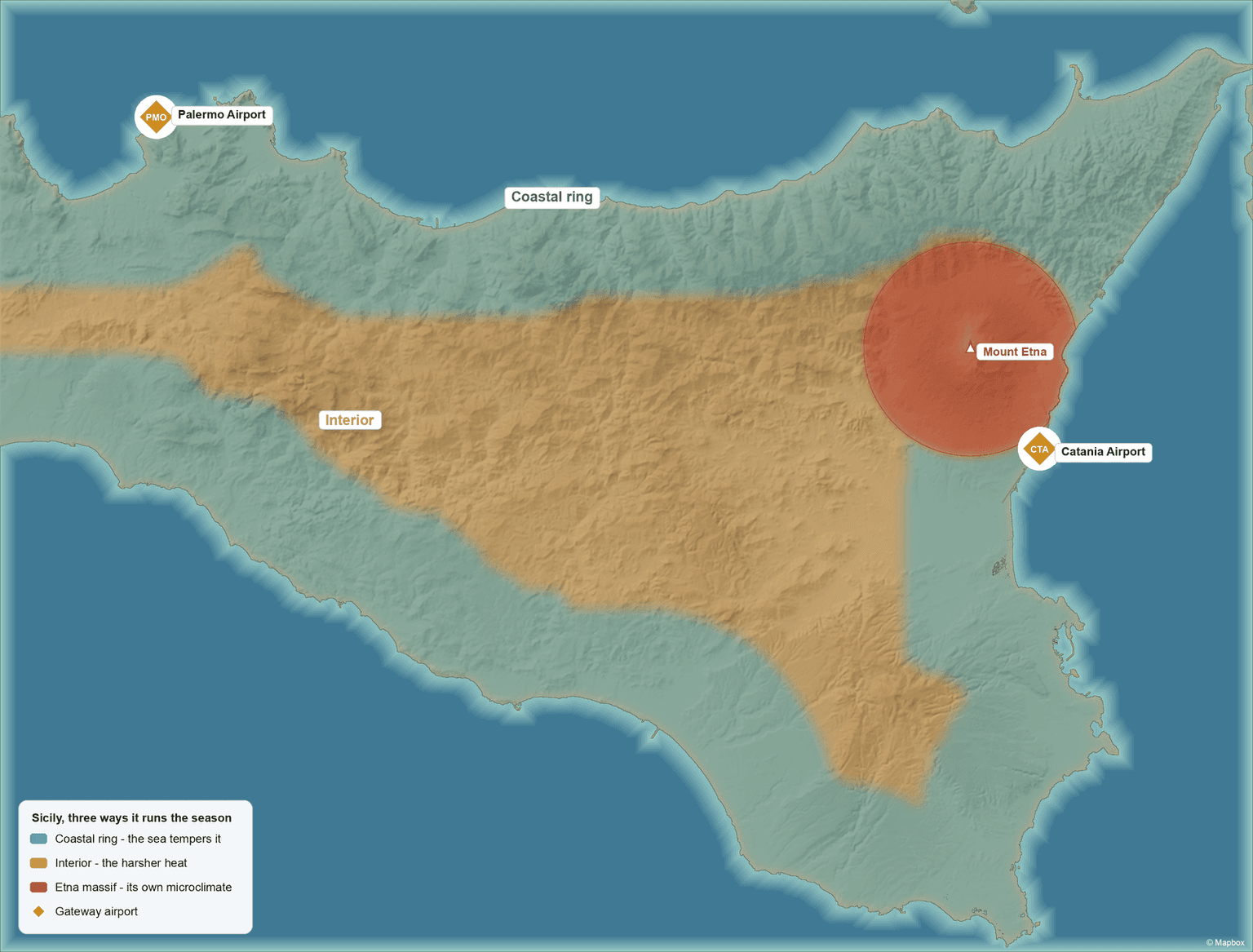
The baseline helps: in Italy's 1991-2020 climate normals, Sicily holds the warmest numbers in the country on all three temperature measures, a yearly average of about 67°F (20°C) at Mazara del Vallo and the highest average daily high in Italy, around 78°F (26°C), at Lentini. Those are island-wide bragging numbers, though, and the island is not one place. The coastal ring, the interior, and the ground around Etna each run their own version of the season you booked.
| Window | Sea | Crowds | What's open | Price |
|---|---|---|---|---|
| Spring (May - June) | Cold, warming late in May | Manageable | Everything, plus the Greek theater season | Mid |
| High summer (July - August) | At its warmest | Heaviest of the year | Everything, minus the mid-August closures | Peak |
| Late summer into October | Still warm, cooling by late October | Thin | Open, but the beach season is ending | Falling |
| Winter (November - March) | Not swimming weather | Almost none | Cities, yes; don't count on island tours | Lowest |
May and June: the land is ready, the sea is not
Spring runs ahead of the water here. By May the land is ready for everything you came to do on foot, but the sea is still a few weeks behind. At the end of May you can usually swim. At the start of May you usually can't, unless your idea of a swim is the kind you describe afterward in a louder voice than necessary. That gap is why May and September, which look like twins on a calendar, are not interchangeable: September has the warm water May is still waiting for. If the sea is the point of your trip, spring is the wrong shoulder. If it isn't, the cold water is the only thing spring takes back.
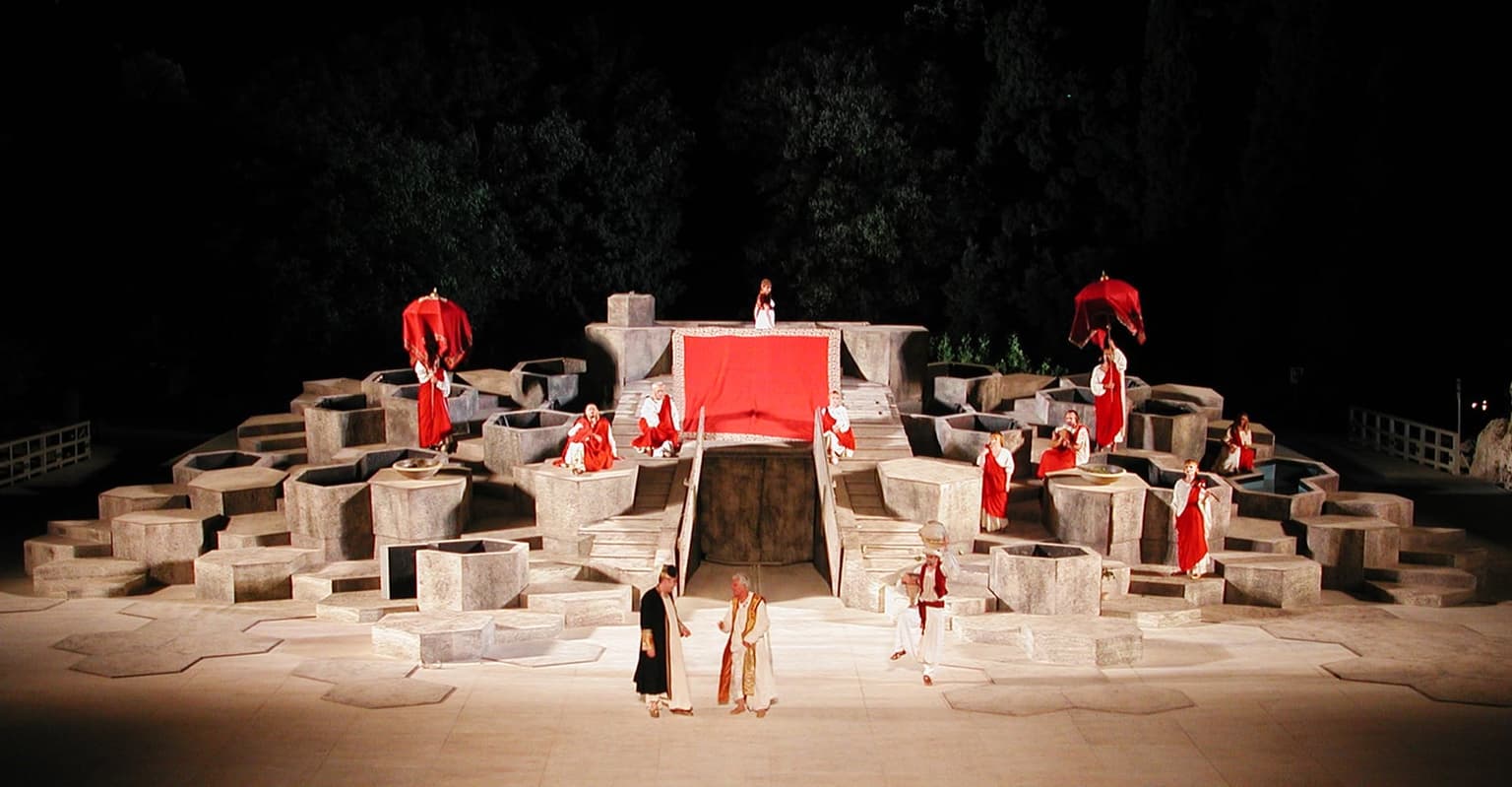
What May and June buy that July can't is the Greek theater at Siracusa back at work. The INDA season, the 62nd, runs May 7 to June 25, 2027, with the curtain at 19:00 in May and 19:30 in June, and it has a hole in it: no performances June 6 to 11. Pin a trip to a particular night and check that week first. An evening at the theater is one evening; whether Siracusa earns nights of its own around it is a separate decision, and the town's to answer.
Easter is the spring week that behaves differently, and it moves every year. Whether the days before it count as high season is a question asked far more often than anyone answers it from experience, so take what the calendar settles: Sicily's schools break from March 25 to March 30, 2027, which frees local families to travel that week. That is well before the May and June window, and I'd treat it as its own small peak - if your dates are loose, move them off the break rather than into it.
July and August: the best sea, the worst of everything else
High summer is when the sea finally does everything you came for, and the island is at its loudest and most awake. The bill is heat that does not let up. In parts of Sicily the average July and August high passes 91°F (33°C), and July is close to rainless, so no afternoon storm is coming to break it. Even that number undersells the day. The trouble is that the heat never goes anywhere, not at breakfast and not at midnight, and you end up planning every hour around it.
The crowd is the real cost, not the thermometer. Getting to the sand early and booking ahead buys back a morning, not a week: by midday you are sharing whatever you found with everyone who had the same plan. If the water is the whole point, I would still come, but I would stop calling August a quiet month with a heat problem. It is a busy month that happens to be hot.
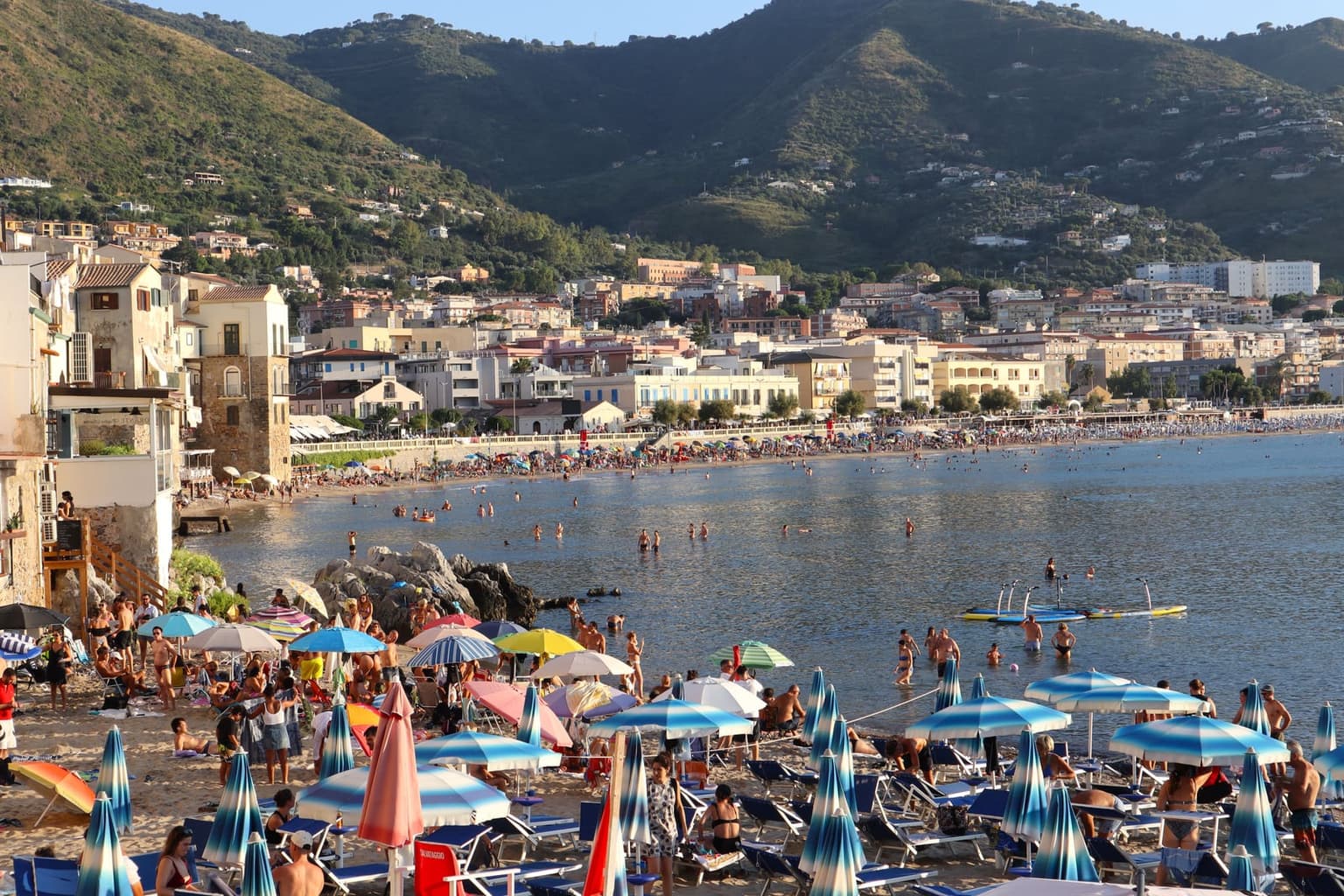
Once you've accepted the month, the next choice is the coast itself: which beaches you can reach without a car, and what a day on the sand costs.
If you'll be near Palermo in July, the Festino di Santa Rosalia fills the city: the 402nd edition fell on July 14, 2026, with the religious festivities the next day. The 2027 date is not out yet, so assume mid-July and confirm before you book a Palermo room that week.
⚠️ Warning
Eruptions don't keep a calendar, but the 2026 closure landed in the busiest weeks of the year. That August, an intensified phase of Etna's activity shut Catania Fontanarossa airport repeatedly, and roughly 700 flights were canceled. Others were rerouted to Comiso, Palermo, and Trapani, so a diversion can put you down at a different airport from the one holding your rental car. Don't treat the volcano's aviation color code as a go/no-go signal: Etna sat at orange on June 15 and 17, 2026, while the airport ran normally, and the August closures came from ash drifting over the airfield. Wind direction and the airport's own notices decide.
Ferragosto: what actually closes in mid-August
Ferragosto, the national holiday on August 15, draws more worried questions than anything else about a Sicilian August, and the fear is always the same: land that week and find the island shut.
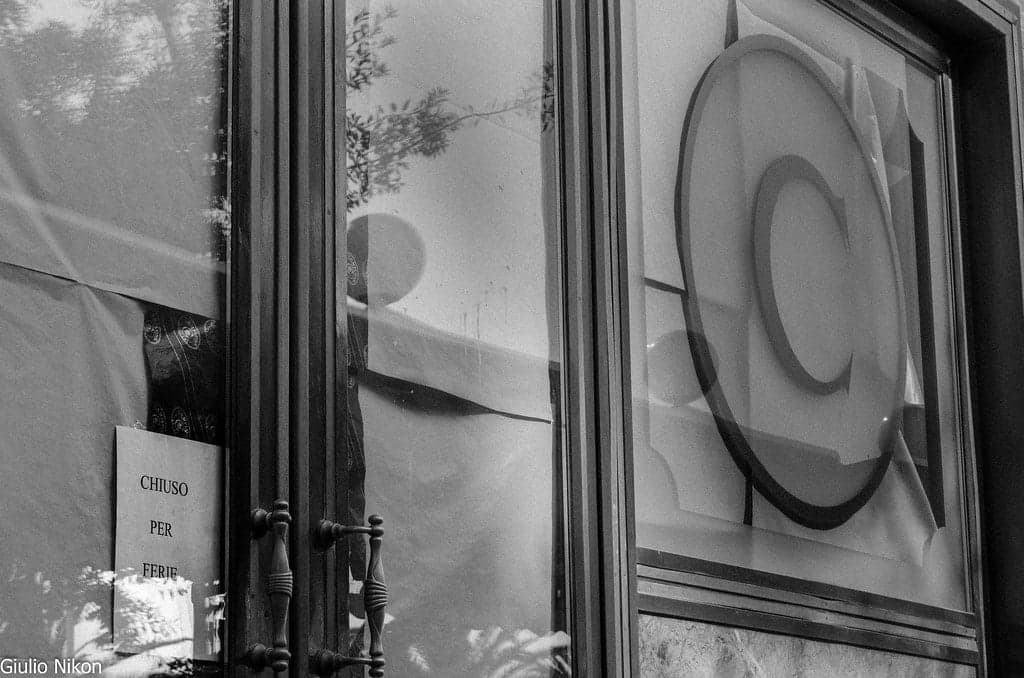
It isn't shut, but a lot of Sicily is on vacation too. Around the 15th, plenty of shops close for ferie, the Italian summer break, in numbers you will notice, and the sign on the shutter reads chiuso per ferie: closed for vacation. How long a given shop stays shut is the part nobody can promise you. It gets asked every summer and rarely answered with anything firmer than a shrug. Treat the 15th itself as a day to plan around, not through, and don't count on one particular small shop or neighborhood grocery that week.
Does the back half of August calm down once the holiday passes? Don't count on it, and the school calendar says why: Sicilian schools went back on September 15 in 2026, so local families have all of August to travel, and the crowd has no reason to fall off a cliff on the 16th. If you're choosing between the halves, choose on the holiday rather than the crowd. Late July into early August is done before the 15th arrives. The back half misses the day itself, and it is not the quiet version of August either.
Ferragosto on a beach is about the least relaxing thing you can do in Sicily, so I'd give the 15th to anything but the sand.
Late September and October: the best two out of three
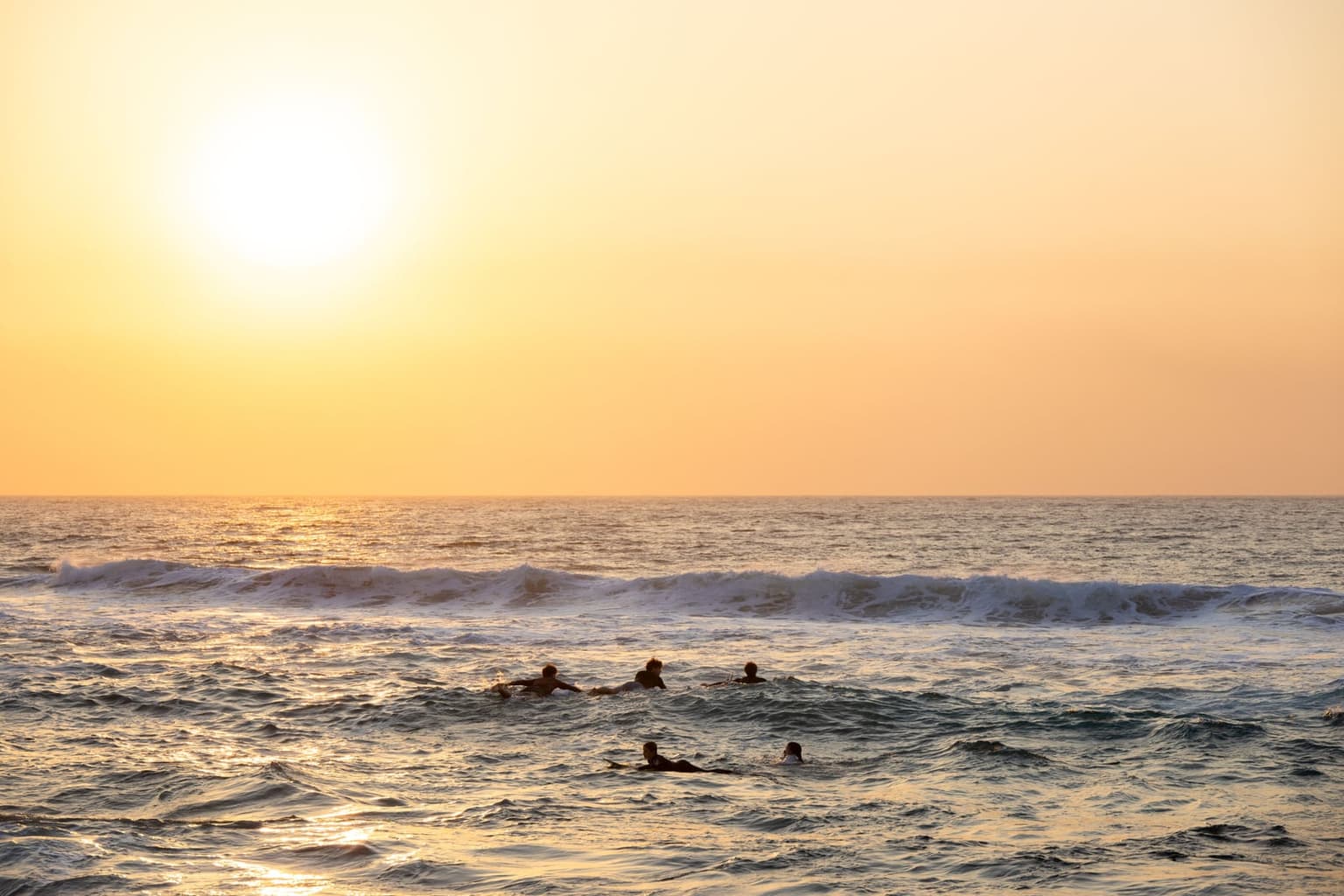
Late September is the only window that hands over two of the three at full strength. The water is still warm enough to swim in without a pep talk, and the crowd has gone home without telling the sea. For a few weeks the two calendars disagree, and they disagree in your favor.
The price is that the beach season is ending, and it's a cheap one. At the turn of October the beach at Mondello is still lovely and nowhere near crowded. You give up the company and get the sand back. If you came for the sea rather than the scene, that is barely a trade.
October is where the window turns into a bet: whether the water still cooperates depends on the week you draw, and you won't know which kind you drew until you're standing at the water's edge. The end of October I can't vouch for at all - nobody has reported back from it recently enough to count, and I'd rather tell you that than fill the gap with a guess. If the sea is the point, keep the trip on the September side of the line and treat any October swim as a bonus.
One town runs on the clock more than the calendar. In Taormina the hour you arrive beats the month you picked, so an October date on its own won't spare you the busy part of the day - plan the visit around Taormina's quieter hours instead.
And if you want to stretch the swim as late as it will go, head for the far end of the island, where the swimming season outlasts the crowd season.
Sicily in winter: Italy's mildest, and empty with it
The case for winter starts with the thermometer. Italy's highest average February high belongs to Sicily, around 64°F (18°C) at Lentini. Over Christmas and New Year, the days can run dry and sunny, warm enough to sit outside in a light jacket, with almost nobody else sightseeing, rooms at €100 - €130 a night, and dinner for four at €45 - €65. It isn't beach weather, and nobody should sell it as such. It's walking weather, which is exactly what a Sicilian city asks of you.
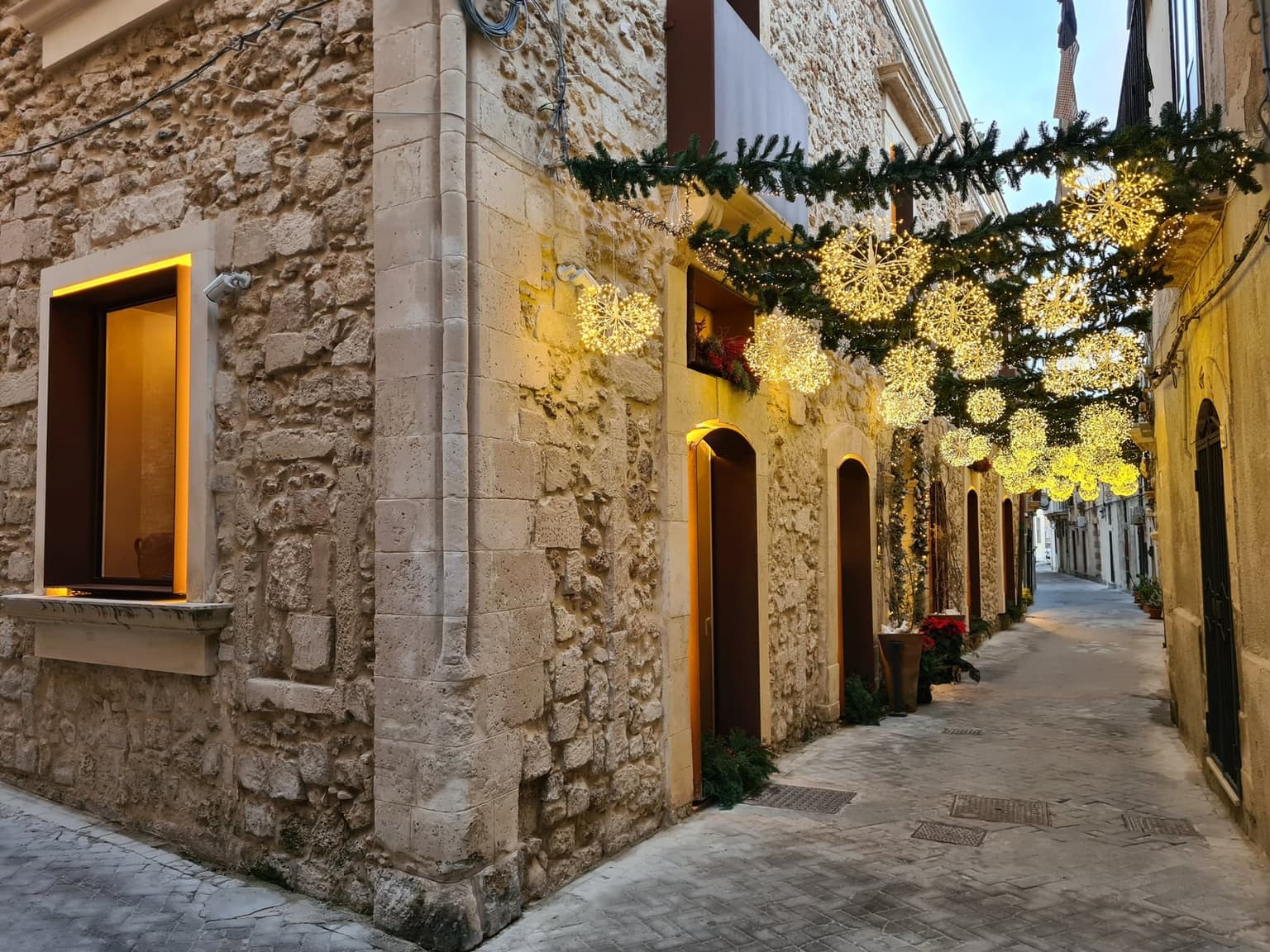
I spent a few days in Ortigia in late January, and the weather couldn't settle on a season: 57°F (14°C) under a scrubbed-clean sky, with a wind off the water cold enough to make the shaded side of an alley feel like winter while the sunny side felt like spring. Locals wore parkas; I needed a sweater under a heavy coat. Piazza Duomo was empty enough that I had the cathedral to myself, and half the restaurants I'd picked out were shut behind their own chiuso per ferie signs, taking the break now instead of in August. The morning market ran for Siracusans that week, fish and mounds of blood oranges, winter's own citrus season. The best of it came after dark: walking the cathedral square alone, my footsteps were the only sound off the palazzi, a noise summer's crowds never let you hear.
Will mid-November turn the island into a ghost town? Emptier of visitors, yes, and by midwinter almost bare of them, which is the point of coming. What's less certain is how much of a small resort town stays open once its visitors leave, so build the trip around a city instead, where people live and work all year and the lights stay on for them rather than for you. Palermo is the obvious first choice, and how many days Palermo deserves is the question to settle before anything else.
Catania is the other winter base, and it brings a reason of its own: Sant'Agata, the festival of the city's patron saint, falls in winter. Look up its dates before you fix yours, then see what two days in Catania actually cover.
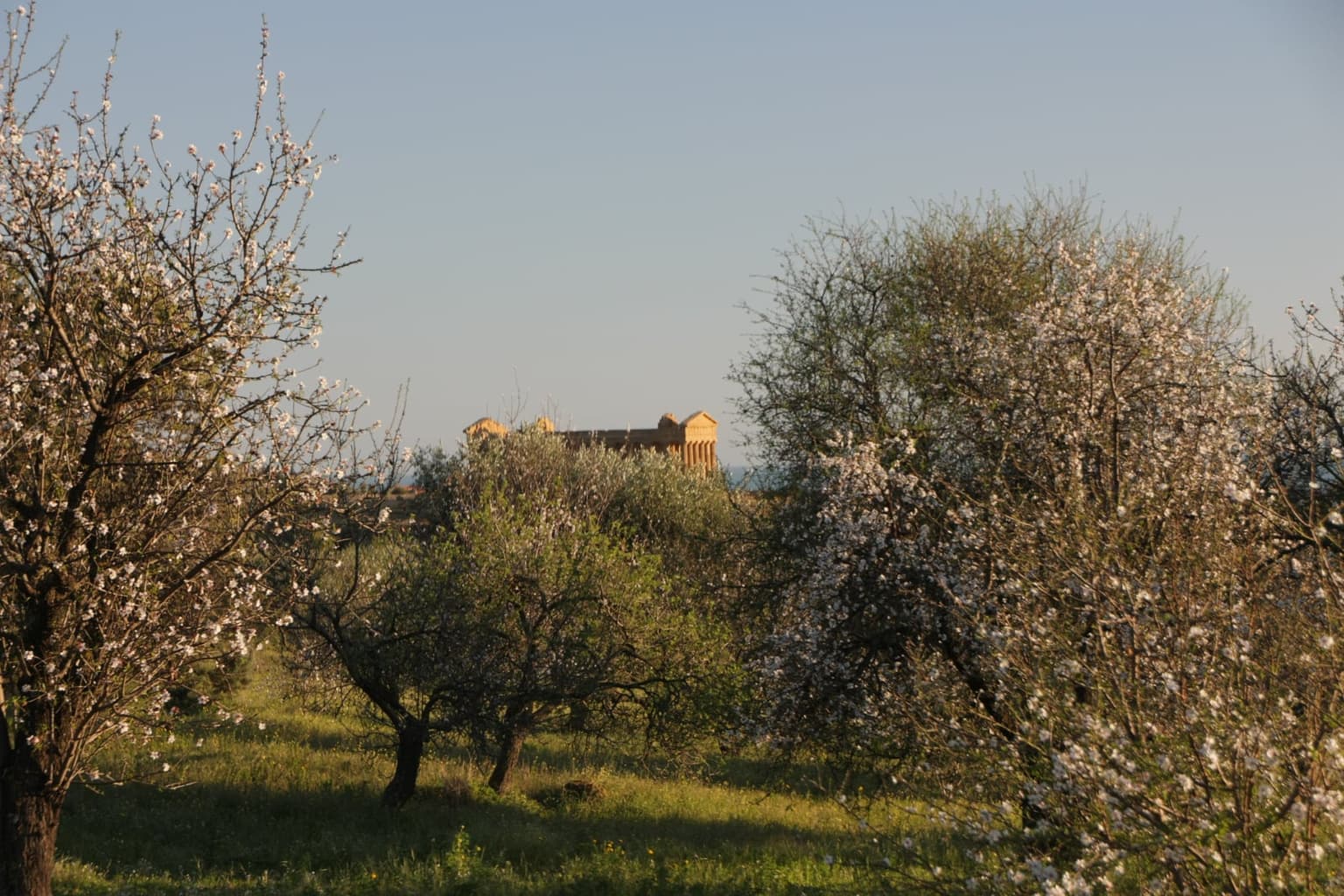
Late winter adds the one draw summer can't match: almond trees in flower around Agrigento's temples, and the town's almond-blossom festival, Mandorlo in Fiore, alongside them. The 2026 edition ran March 7 to 15, and the 2027 dates aren't out yet, so plan on late winter into early March and confirm before you book.
What winter takes back: islands, buses, daylight
Winter's low prices come with three conditions, and a route that ignores them looks fine on paper and nowhere else. Check each operator's own winter schedule before you commit a day to it, and build the route so it still works if the answer is no.
| What winter changes | What to expect | What it means for your plan |
|---|---|---|
| Island trips | Aeolian boat tours and island excursions: many don't run in winter | Don't build a day around an island tour until the operator confirms it's running |
| Intercity buses, some rail | Thinner than a summer plan assumes; don't count on a summer connection | Book each bed only once you've confirmed the leg that reaches it |
| Daylight | Short days, early dark | Fewer stops per day; finish outdoor sightseeing by dusk and spend evenings in town |
The arrival can be the first place this bites. The last bus of the day out of Catania airport doesn't keep the same hours all year, so check it against your landing time in the season you're actually flying, and know how to reach Taormina once it has left.
If a winter route leaves the two cities, I'd rent a car; it gives the island back. Pick it up at the airport you land at, Catania for the east or Palermo for the west. If you don't drive a manual, filter for an automatic before comparing anything else, and put the long interior drives in the middle of the day, when the light is on your side.
Landing late and in no mood to start with a drive? The other answer is a transfer booked ahead. Book it once the flight is fixed, and agree on the price before you fly rather than at the curb near midnight.
Etna runs its own season
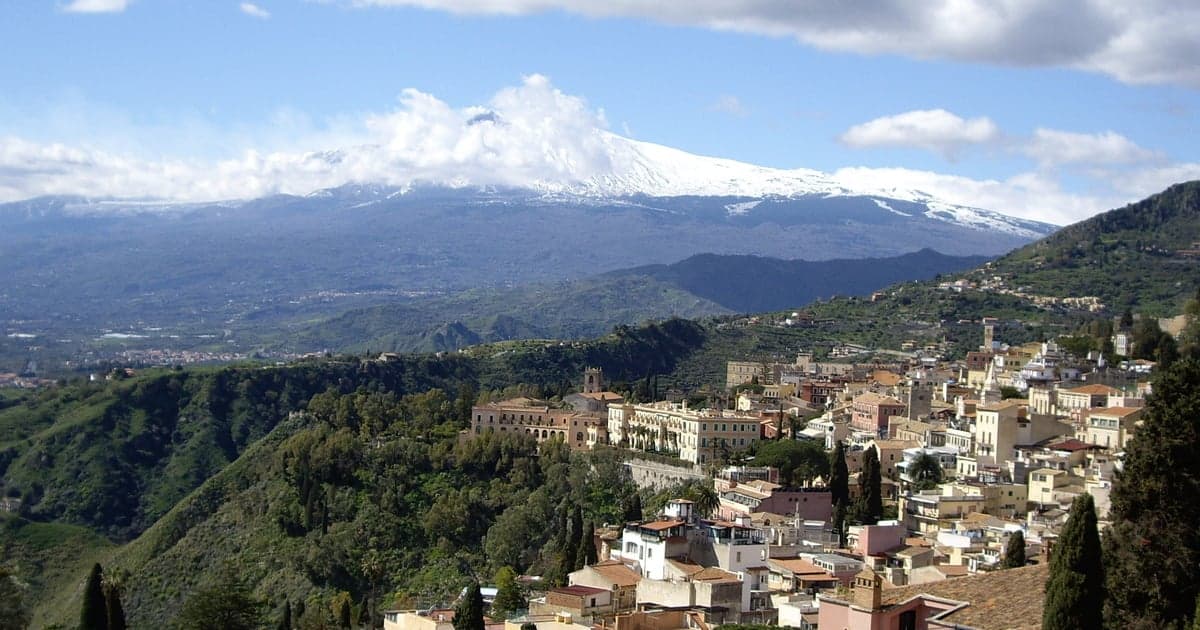
Every window above is a coastal season, and the mistake the mountain invites is sizing it from the coastal forecast. People get Etna wrong in both directions. Its upper slopes run a different climate from the beach you're looking up from, and the gap only widens the higher you go. The coast and the summit share an island and very little else in the way of weather.
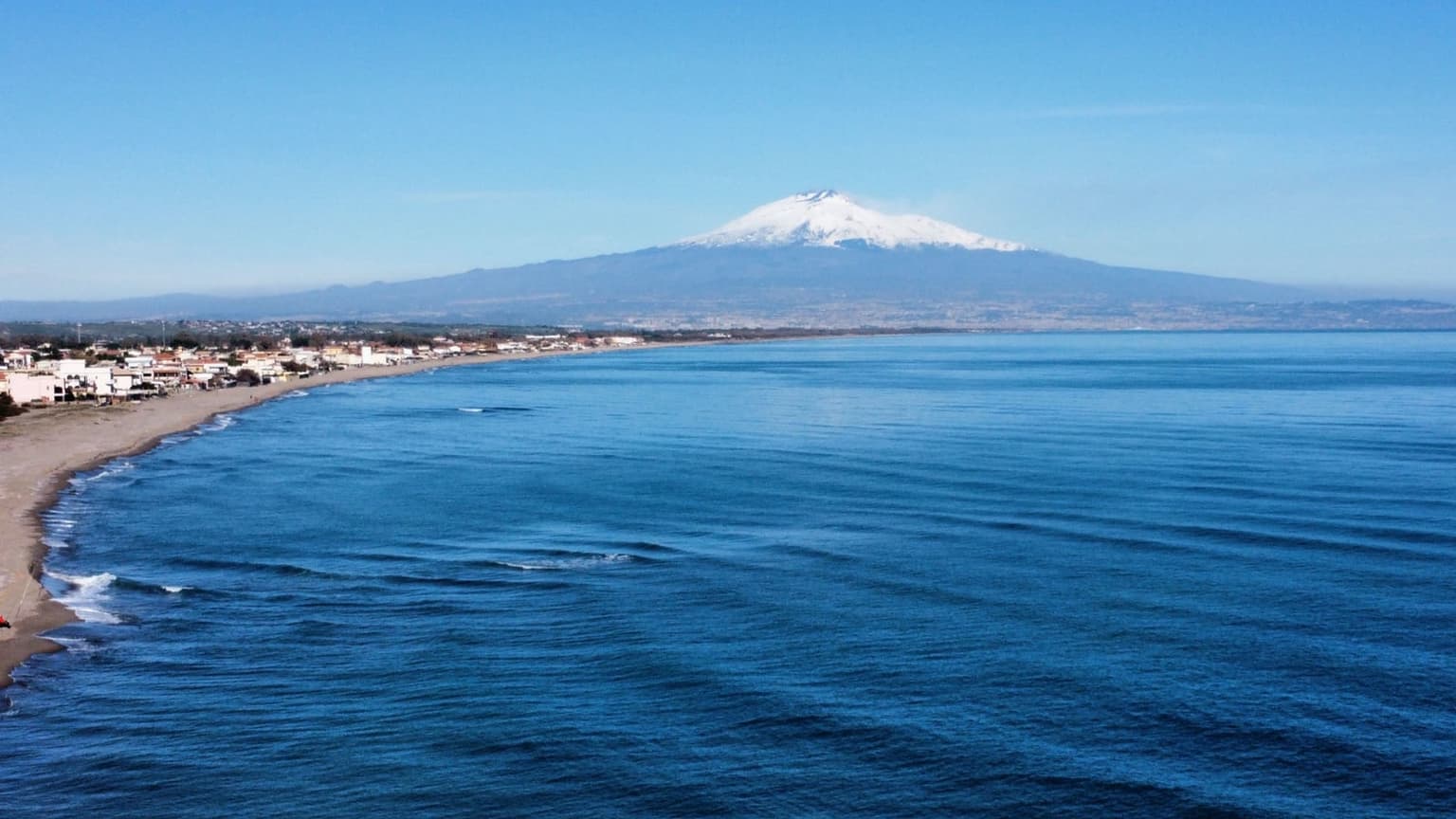
In practice that cuts both ways. In an August heat wave the mountain is the relief, the one direction you can drive out of the heat instead of waiting for it to break. In spring it turns on you: the coast is pleasant, lunch outdoors in shirtsleeves, and up there it's jacket weather. A long-sleeve shirt is not the answer in May. Pack for the mountain you're going up, not the town you left that morning, and bring a real layer even if you'll feel faintly ridiculous carrying it through the warmth at the bottom.
If there is still snow near the summit when you come, or you're coming in winter, the weather stops being the question. What matters then is what's open and what's allowed, and no coastal forecast answers either one. Neither does this page. How high you can stand, when you need a guide, what the lift costs and how you get up there in the first place are in my guide to going up Etna. Read it before you pick the day, not halfway up the road.
When to book: the two peaks hiding in the cheap months
Two stretches inside the cheap half of the year fill up early, and both catch people who waited on purpose.
The first is Christmas to Epiphany. Sicilian schools break from December 23, 2026 to January 7, 2027, so families with school-age children are free to travel through exactly the weeks a bargain hunter circles. That sits awkwardly next to the empty winter I described earlier, and both are true at once: the sights are empty, the rooms are not. A quiet morning at the ruins tells you nothing about how many beds are left in town, so don't read it as permission to book late.
The second is the Easter school break, the moving spring week covered above. Mid-August is a peak too, but not a hidden one: it is the peak inside the peak season, and it needs booking just as early. Two Mondays off school, November 2 and December 7, 2026, stretch those weekends into long ones: a small bump, but worth knowing if your dates are loose. Outside these windows the off-season calendar pushes no crowd at you, so there's no calendar reason to rush.
For those windows, flip the usual order and book the bed before the flight. The honest lead time is as soon as your dates are firm. Filter for free cancellation, which turns an early booking from a bet into a hold, and note the date the free cancellation actually ends: that date, not the label, is what you're relying on.
Once the window is fixed, the next question is the shape of the trip: how long to stay, and whether to see one half of the island or both. Let the season you picked decide it, not the other way around.
Common questions about timing a Sicily trip
- What is the cheapest time to visit Sicily?
- Winter, November through March: the emptiest island and the lowest prices. Two stretches inside it fill up early: Christmas to Epiphany, when Sicilian schools are out December 23 to January 7, and the Easter school break, March 25 to 30 in 2027. Book those first, and book mid-August, the peak of the summer, just as early.
- Does Sicily shut down in August for Ferragosto?
- No, but around August 15 plenty of shops close for ferie, the summer break. Nobody can promise how long any one stays shut, so plan around the 15th itself. The back half isn't the quiet one either: schools went back September 15 in 2026.
- Can you swim in Sicily in May or October?
- End of May, usually; early May, usually not. The sea stays warm through September, and October depends on the week you draw. If swimming is the point, stay on the September side.
- Is Sicily worth visiting in winter?
- Yes, if you build it around a city. Sicily has Italy's mildest February, average highs around 64°F (18°C) at Lentini, and Palermo and Catania live year-round, visitors or not. Outside them, don't count on island tours, check winter schedules before committing a day, and allow for short days.
- Should I avoid the week before Easter?
- If your dates are loose, move them off it. Sicilian schools break around Easter, March 25 to 30 in 2027, freeing local families to travel. How busy that week feels is asked far more than it's answered, so treat it as a small peak.
Whichever window you picked, check it against the Sicilian school calendar before you book: every local peak in this article sits on one of its breaks. The 2026/27 year runs September 15 to June 10.