Sicily
Sicily is the largest island in the Mediterranean, and every ruler who passed through - Greek, Arab, Norman, Spanish - left something behind: temples, red-domed churches in Palermo, baroque towns like Noto rebuilt after the 1693 earthquake flattened the old ones. Etna presides over the east coast, Europe's tallest active volcano, and Catania's own streets are paved in its black lava stone. A day here moves between ruins, a market and the sea, at an island's own pace.
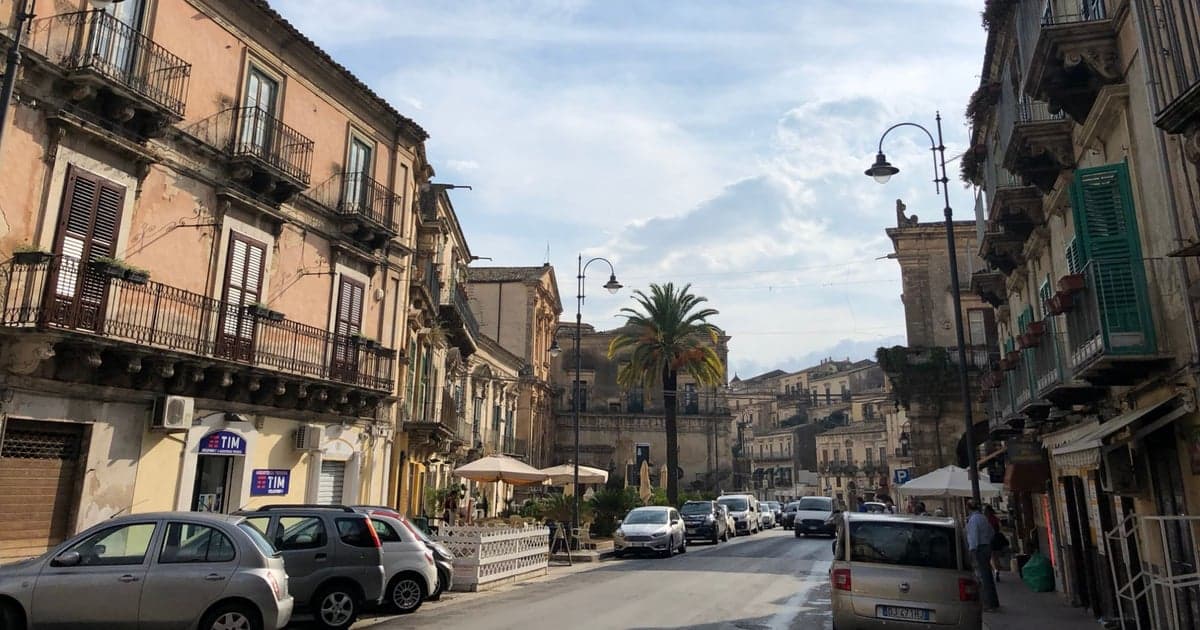
Car Rental in Sicily: Tips From Driving the Whole Island
Car rental in Sicily, Italy: the credit card and deposit the desk wants, the permit a US license needs, the cover worth buying, and how returns go wrong.
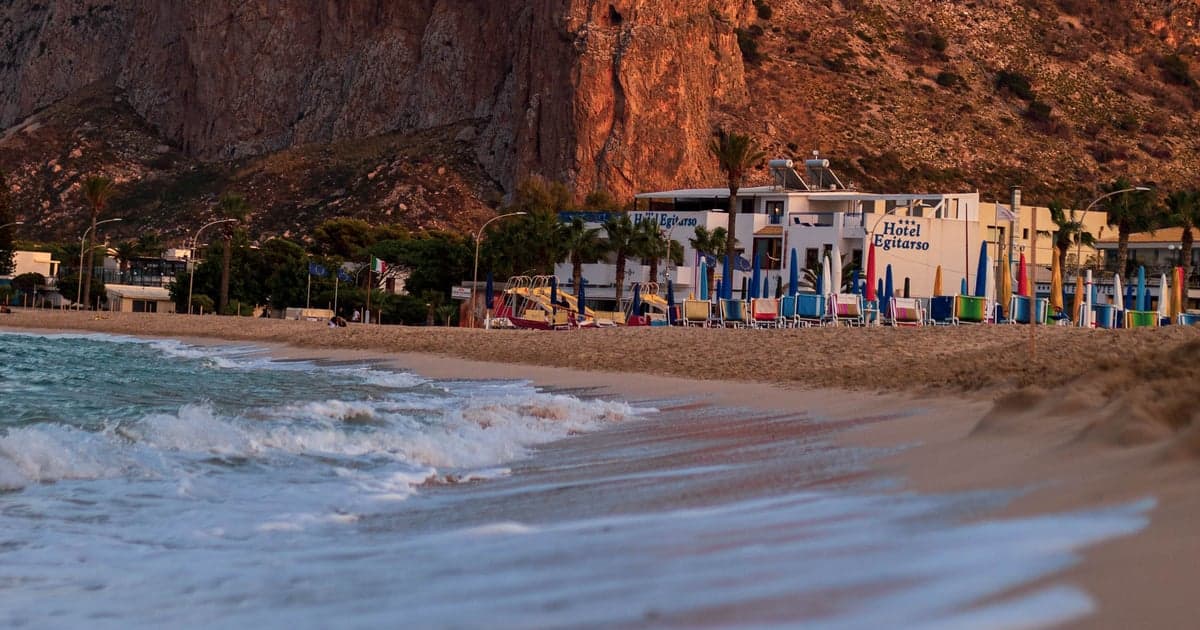
Best Time to Visit Sicily
Sicily never gives you warm sea, everything open and room to move all at once. What each season takes back, and the two peaks hiding in the cheap months.
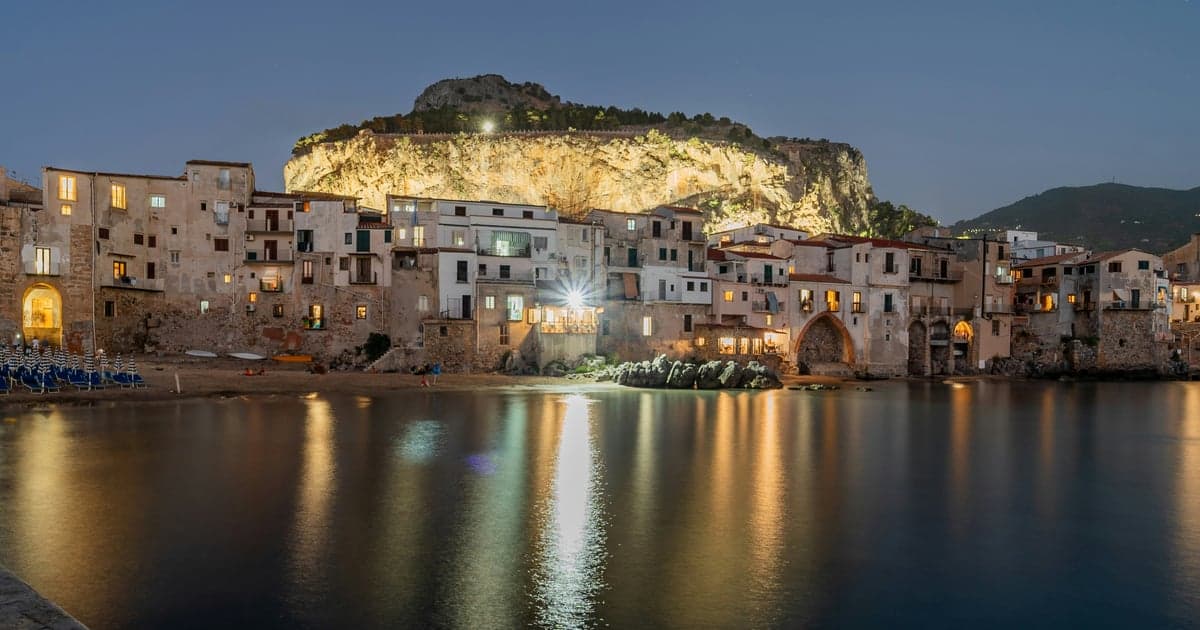
Cefalù: Is a Day Trip From Palermo Enough?
Things to do in Cefalù, Sicily, and how to fit them in: the cathedral's long lunch, La Rocca's last entry, the last train back, and when a night wins.
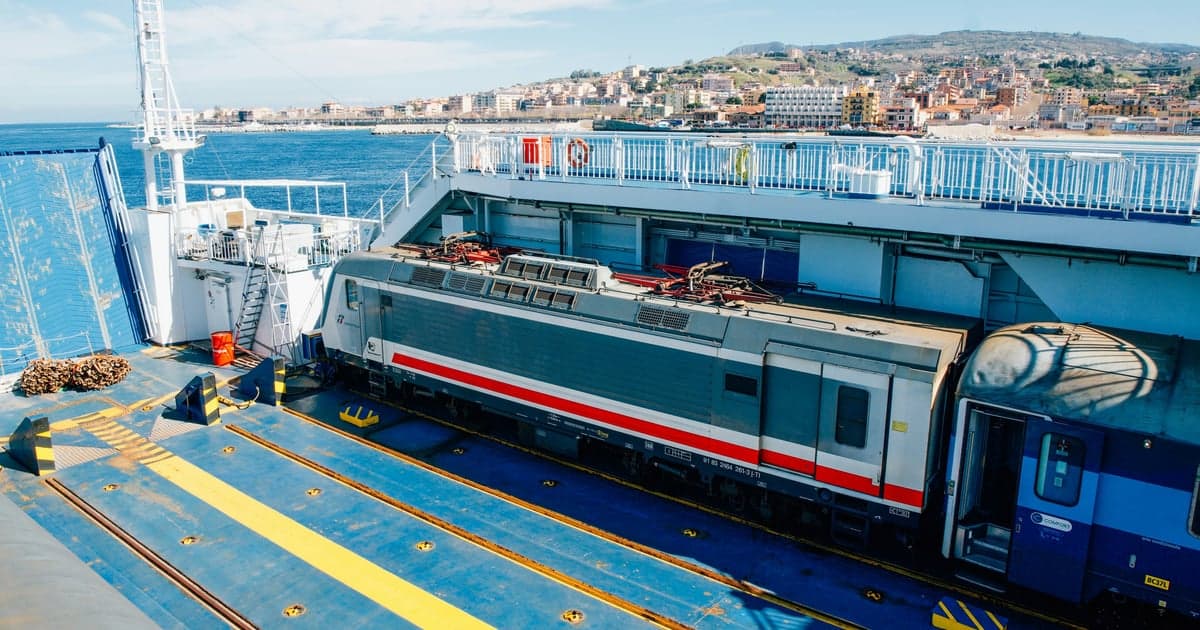
Rome to Sicily: The Train Is Not Always the Answer
Six ways south, compared for the day you travel: the train that boards a ferry, the flight, the drive, and the night boats out of Rome's own port.
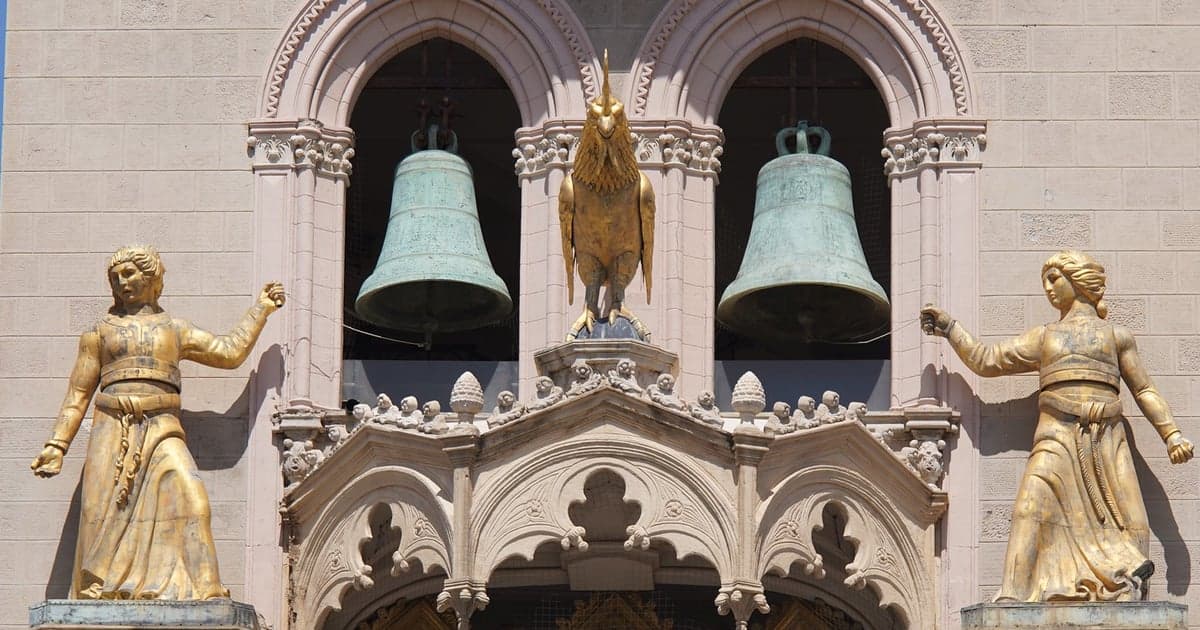
Messina Cruise Port
Messina's cruise terminal is mid-construction through 2027. Where ships actually dock, the free old-town loop, and whether Taormina or Etna fits your day.
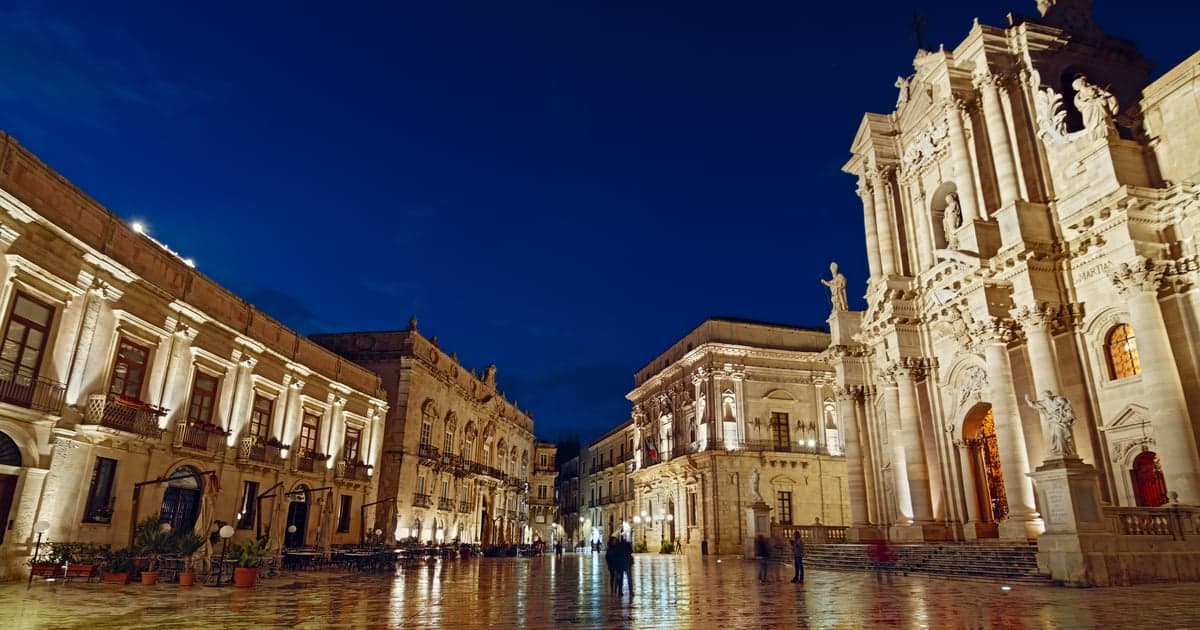
Siracusa, Sicily: When It Earns Nights of Its Own
Ortigia, Sicily: a full day if your trip is the east coast, two or three nights if the southeast is in the plan. One night is the wrong number either way.
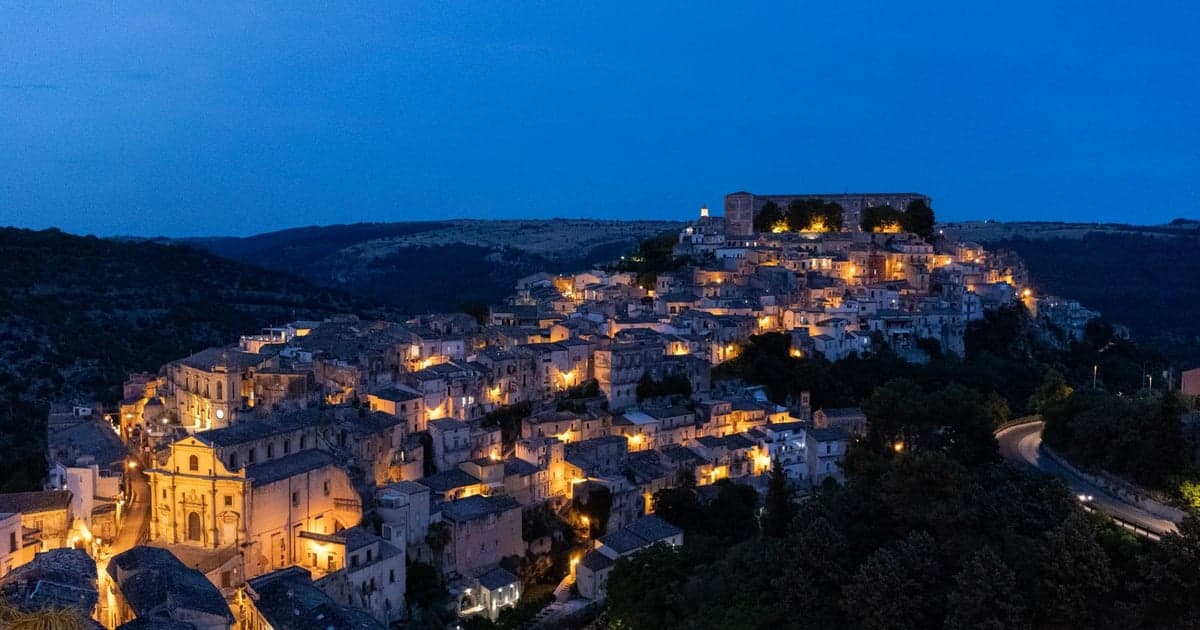
Ragusa, Sicily: Which Half, and What Each Is For
Ragusa is two towns on one hillside: Ragusa Ibla below, Superiore above, 300-plus steps between. Which half to sleep in, how to cross, what each is for.

Marsala, Sicily: A Town in Two Halves
Things to do in Marsala, Sicily: the old town and cellars are a walk. The salt pans and Mozia sit north, and how you cross that gap depends on the season.

Taormina to Palermo: Which Way Around the Island
No direct train or bus links Taormina to Palermo. Change north at Messina or south through Catania, and know which end of town to leave from.

Noto, Sicily: How Long to Give It, and When to Go
What to do in Noto, Sicily, and how long it really takes: half a day, and the back half is the one that counts. Plus arriving without a car.
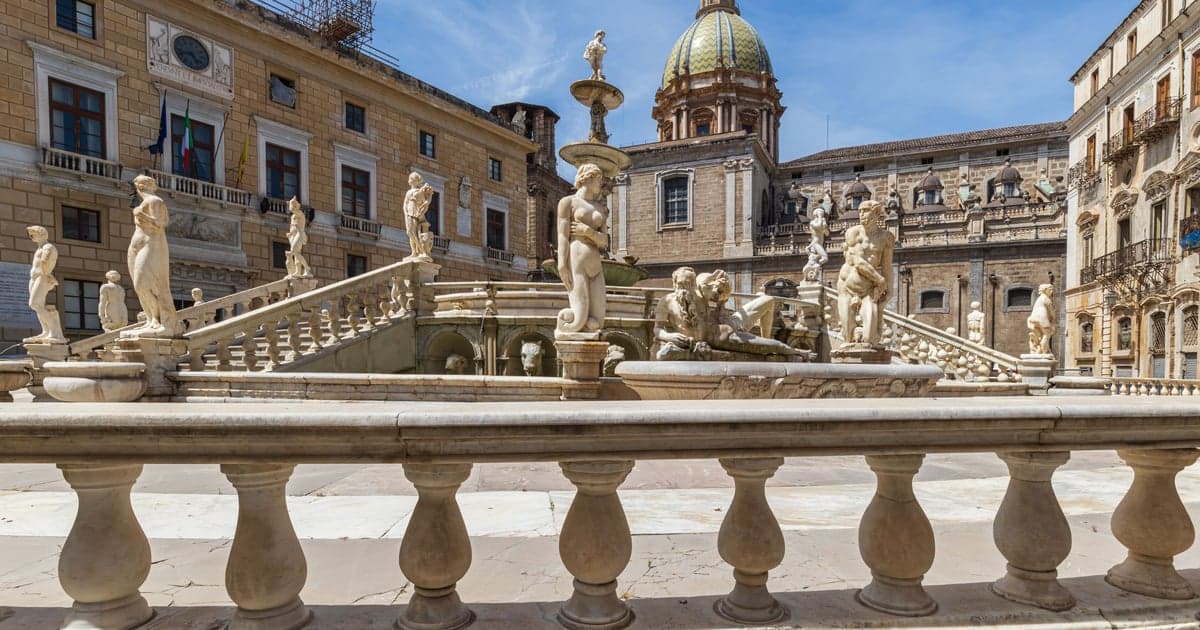
Palermo: How Many Days, and What They Buy
The best things to do in Palermo, Sicily, and what two or three days actually buy you: the Norman core, the markets, the catacombs, the car question.
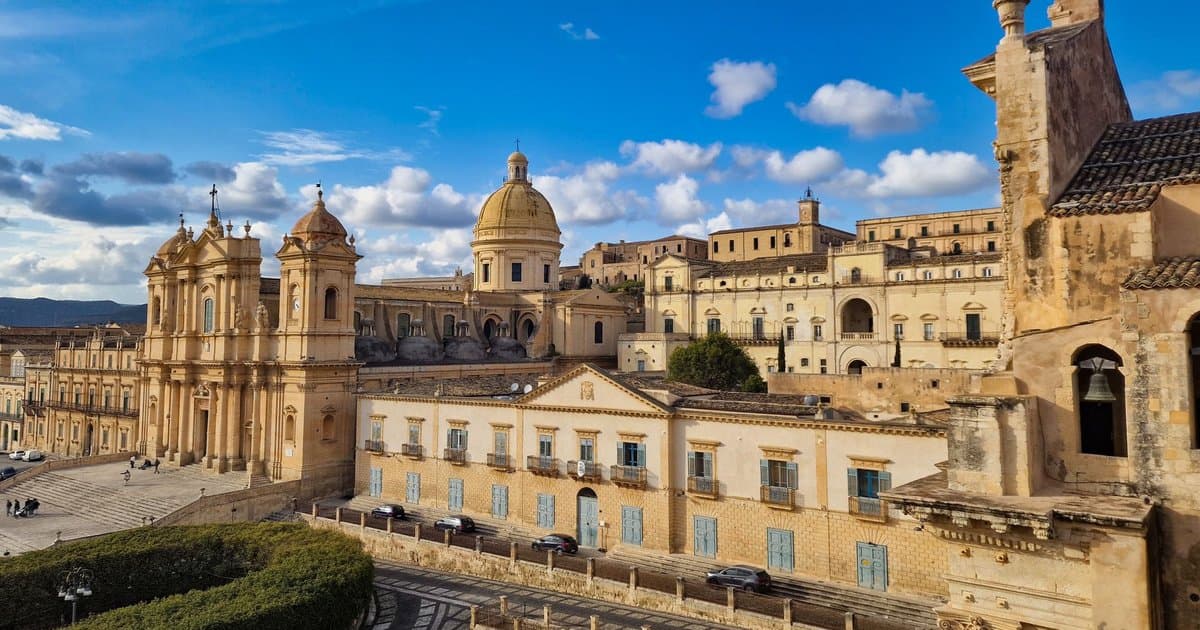
Sicily Itinerary: 7 or 10 Days, One Half or Both?
Sicily's two gateway airports sit at opposite ends, and the pair you book sets the route. How many days buy one half or both, and when a car pays off.
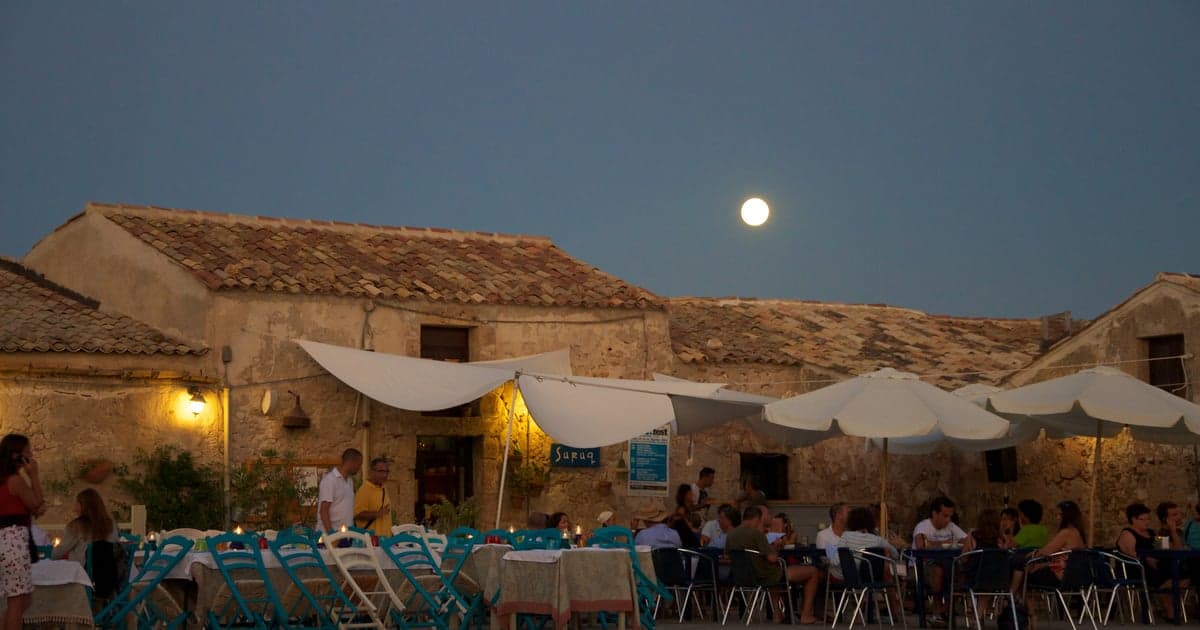
Marzamemi: How Long to Stay, and When to Go
One perfect piazza and an old tonnara in southeast Sicily - genuinely worth an hour or two, but only if you time the visit right.
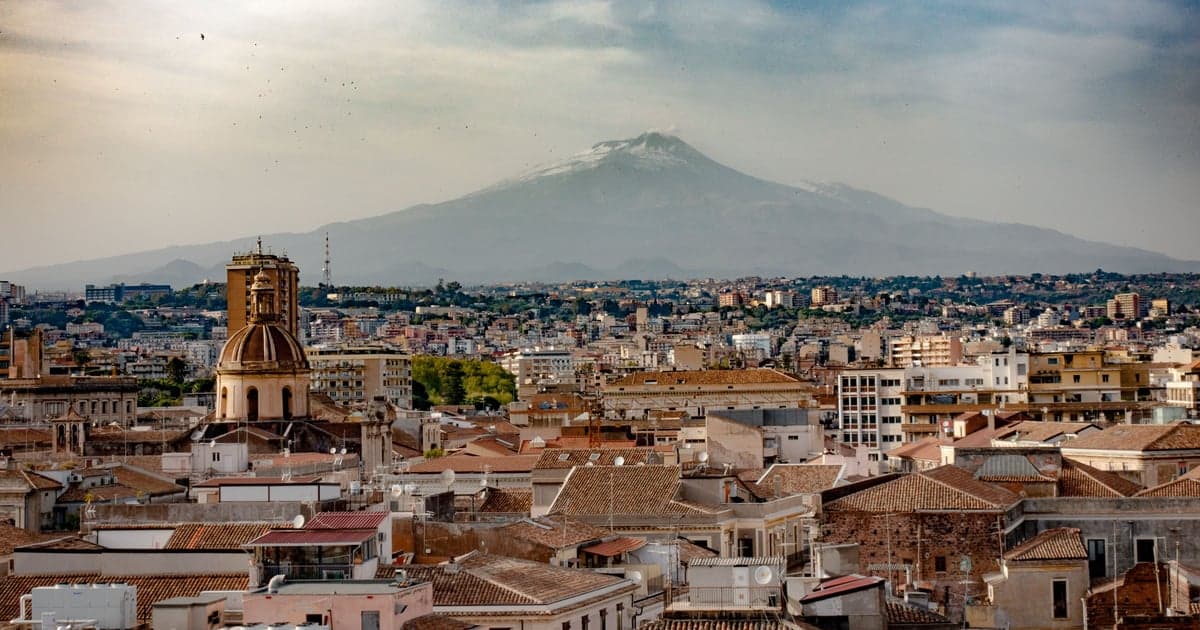
Catania: What Two Days There Actually Buy You
The best things to do in Catania, and what two days there actually buy you: the morning market, the eating, the free city, and the day trip worth it.
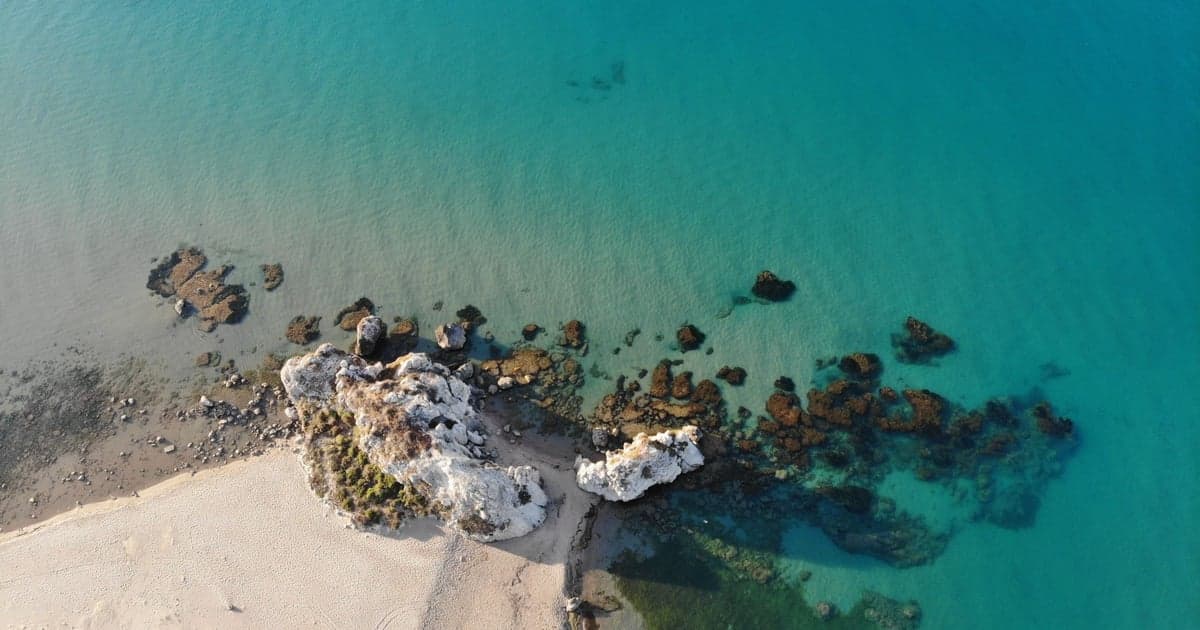
Best Beaches in Sicily: How to Reach Them, What They Cost
Which Sicilian beaches you can reach by train or bus, which need a car, and what a day on the sand actually costs before you put a towel down.
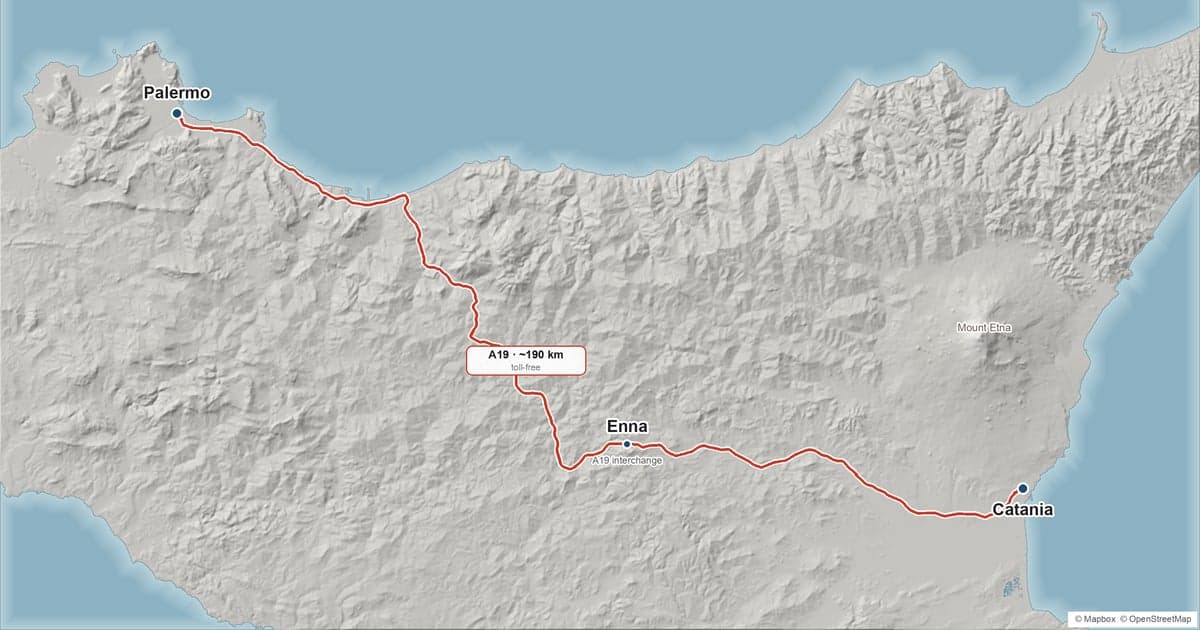
Catania to Palermo: Which Way Across? The Answer Changed
The Catania to Palermo train runs direct again in just under three hours. How it compares with the bus and the drive, and how to check your own date.
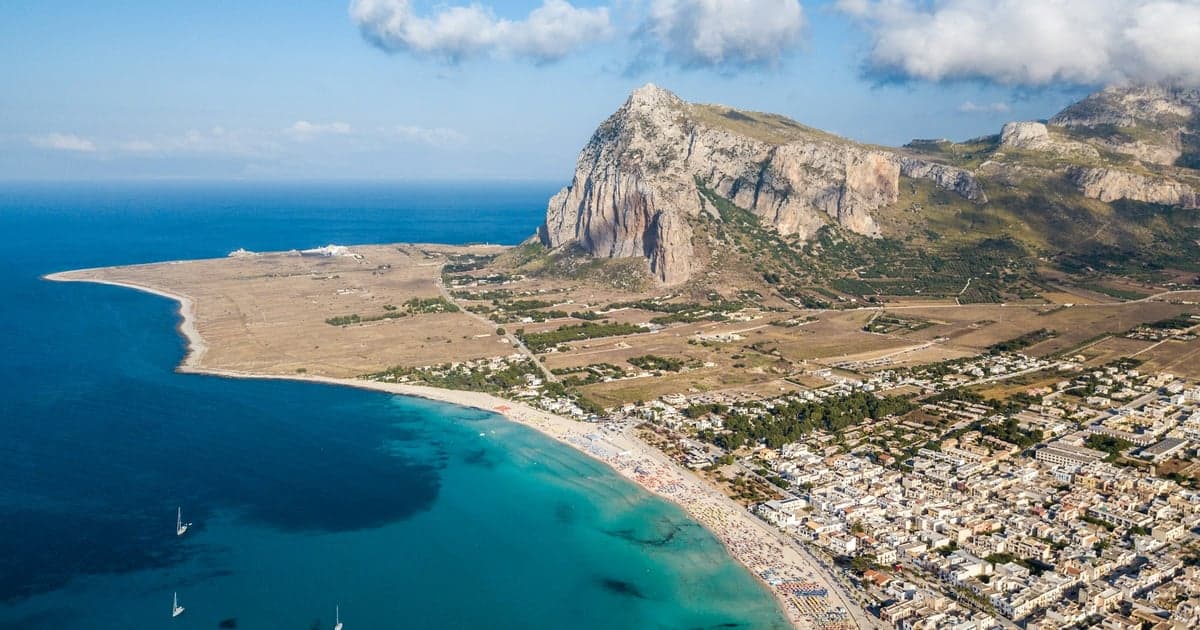
San Vito lo Capo: Where Sicily's Road Ends
The beach at the far end of Sicily: what the sand actually costs, how to reach San Vito lo Capo without a car, and how late the water stays warm.
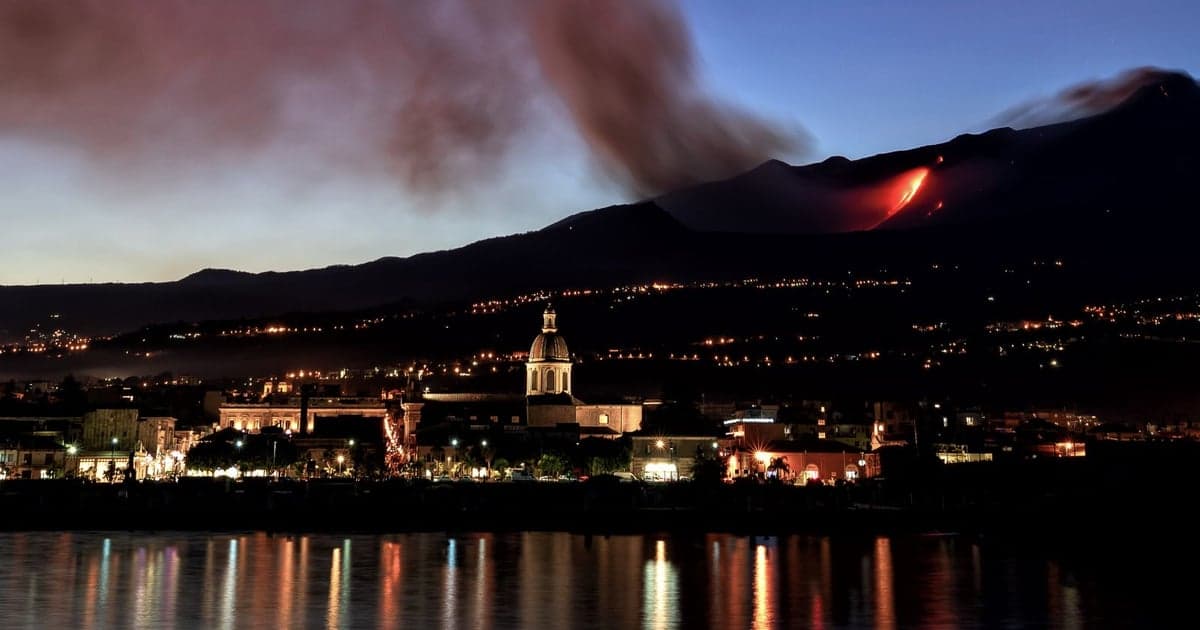
Mount Etna: How High You Can Stand on an Active Volcano
A different planet at the top: bare black slope, the coast far below. How high you get on your own, what each rung costs, and why the ceiling moves.
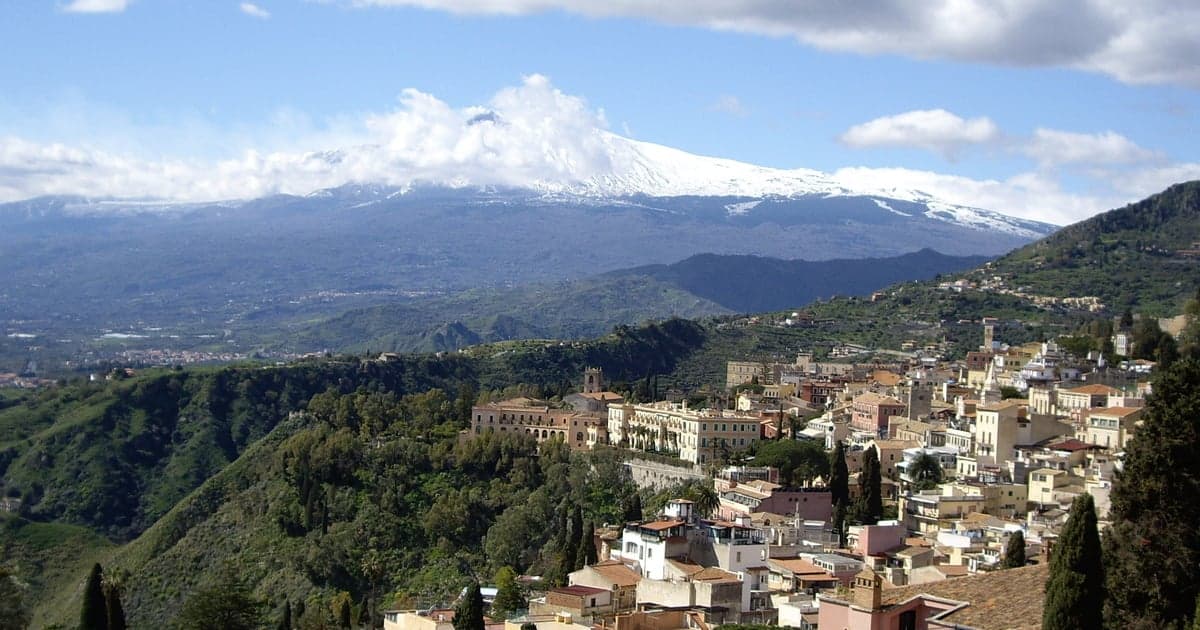
Taormina: What to See, and the Best Hours to See It
Taormina is two towns on the same street, and the hour decides which one you get. What to see, what the Etna day costs, and when the crowds thin.
Catania Airport to Taormina: The Clock Decides the Way
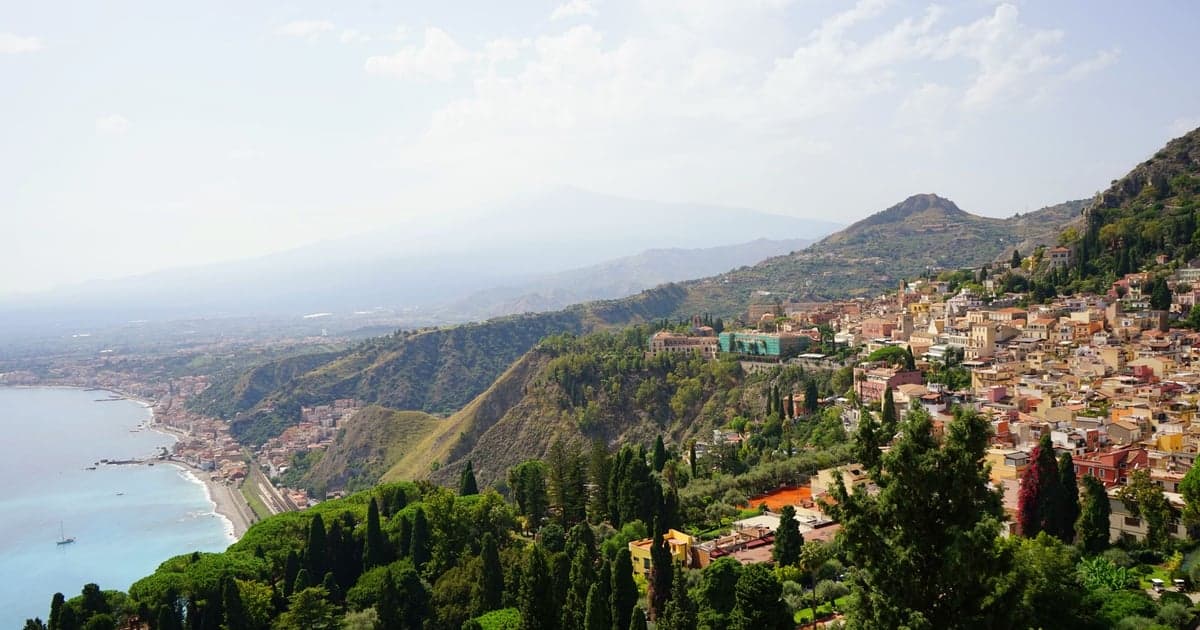
Catania Airport to Taormina by bus, train, taxi or rental car: what each costs, when the last bus goes, and what to do when ash closes the airport.