George Mandrovny
A Day Trip to Cefalù or a Night: What the Clock Allows
Cefalù fits in a day from Palermo if you catch an early train, climb La Rocca first, and see the cathedral in its afternoon block. The trap is the late-morning arrival: the cathedral shuts from 13:00 to 15:30, the Rock is at its hottest, and the day runs out before you've done either one properly. A night buys you both without the rush.
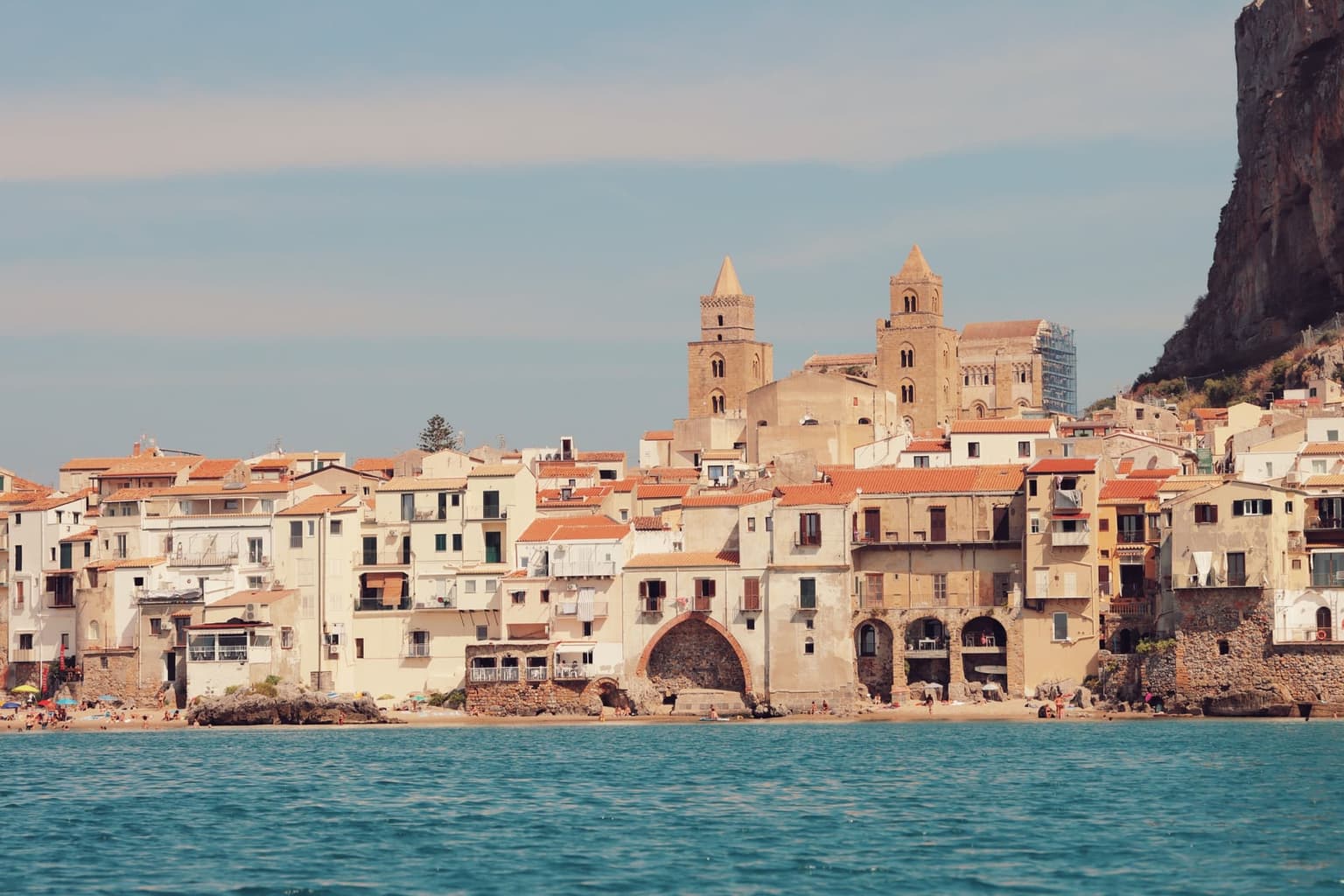
The town is small and walkable, and its two main sights each run on their own clock. The cathedral closes for a long lunch. La Rocca, the limestone headland the whole town is pressed up against, stops letting people in two hours before it closes, and in winter time that means mid-afternoon. The cathedral and the lanes fit comfortably in a few hours. Add the climb and it becomes a full day, one you have to plan backward from two fixed times. My own call: if the Rock is on your list, and it should be, sleep here.
If it has to be a day, the order is everything. Take an early train out of Palermo Centrale (the ride is under an hour), go straight up the Rock while it's still cool, and eat in the lanes while the cathedral is shut anyway. See the cathedral when it reopens, then finish at the harbor. Start the same list at 11:00 and it folds up on you by early afternoon.
Is Cefalù too touristy? In summer, at midday, yes. The lanes fill shoulder to shoulder, September is barely kinder, and a town this size has nowhere to put the overflow. That's a reason to choose your hours, not to cross the place off.
| Day trip | One night | |
|---|---|---|
| La Rocca | Climb first; last entry 18:00 in summer time, 15:00 in winter time | At the 08:00 opening, before the heat |
| Cathedral | Closed 13:00 - 15:30, so plan on the afternoon block | Whichever block suits you |
| Evening | Ends at your last train to Palermo: regional around 21:10, Intercity 22:06 on the late-September dates checked (check yours) | Yours, after the last trains back to Palermo have left |
| Bags | Stay in your Palermo room | Come with you; from the airport, the late-September week checked had a direct train only on Sunday |
Drivers get a different answer. With a rental car and no wish to drive in Palermo, Cefalù makes more sense as a base than as a stop.
Whether this stretch of coast earns one of your bases is a whole-trip question, and the island-wide plan for dividing Sicily between bases is where it gets settled.
Cefalù Duomo: Free to Enter, and Which Paid Route to Buy
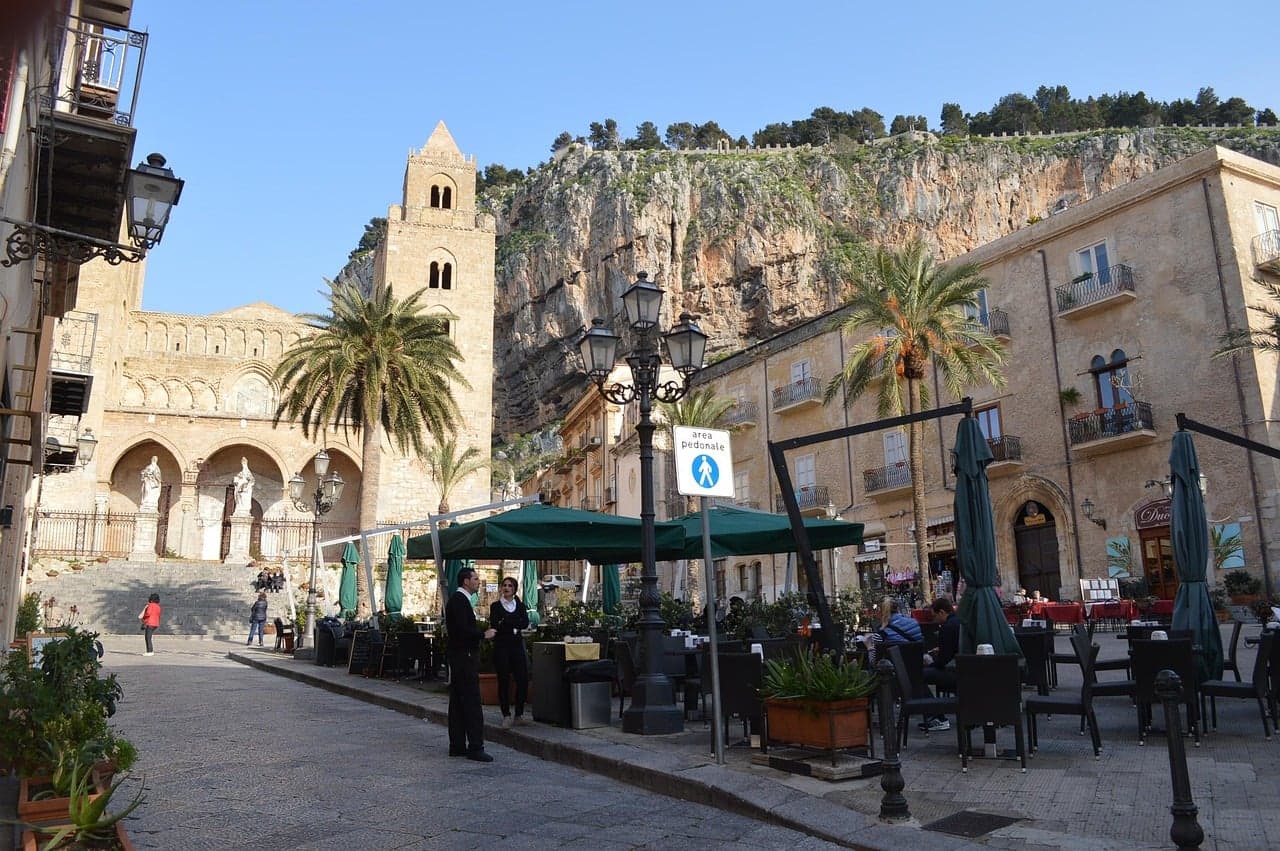
Entry to Cefalù cathedral is free, 08:30 - 13:00 and 15:30 - 18:30, with last entry usually 30 minutes before closing. The paid routes add the towers, the roofs, and a place right under the apse mosaic.
The cathedral is Norman, one of the churches in the 2015 UNESCO listing "Arab-Norman Palermo and the Cathedral Churches of Cefalù and Monreale," and the reason to walk in is the gold Christ Pantocrator in the apse. Shoulders must be covered, and very short shorts and skirts are out. That rule is printed, not suggested. In the busy hours the place feels more like a sight than a church, which is worth knowing if you came for the hush.
Every paid route includes the stop under the mosaic, so the real choice is the towers. Take Blu (Blue on the operator's English pages) for the towers, Verde (Green) to skip the towers and their roughly 80 steps, Rosso (Red) for both. The operator's itineraries page links all three, each to its own booking page. Tower slots sell out, so book ahead, and switch off your browser's translation first: the operator warns that its booking form breaks under machine translation.
| Route | What it includes | Time | Price | Stairs |
|---|---|---|---|---|
| Blu | Towers, south roofs, mosaic, Osterio Magno | About 30 min | €10 (student €8) | About 80 tower steps |
| Verde | Mosaic, sacristy, treasury, Salone Sansoni and bishop's chapel, cloister, Osterio Magno | About 30 min | €10 (student €8) | Skips the towers and their 80 steps |
| Rosso | All of the above | About 55 min | €13 (student €8) | About 80 tower steps |
If you pay for one thing, pay for the mosaic stop. Blu or Verde gets you there at the lower price, and Rosso's surcharge buys the other route's half. Student prices cover ages 6 to 26, and children under 6 go free. The paid routes run daily from March through September, 10:00 - 13:00 and 15:30 - 18:30; for October through February, check the operator's page before you plan around a tour. On the day-trip order above, that means booking an afternoon slot before you leave Palermo.
The tower routes come with rules the ticket doesn't spell out. You start at the towers or staff turn you away, and the one-way circuit backs up at the second tower. The view at the top comes through grated windows, so don't buy Blu for the panorama. La Rocca is the panorama. The roof stretch is narrow passages and a lot of steps, which matters more than the price if your knees have opinions.
One more clock runs inside the building. During Mass the mosaic area is closed, even on a paid ticket, though the routes themselves keep running, so check the day's service times before you build the visit around the apse.
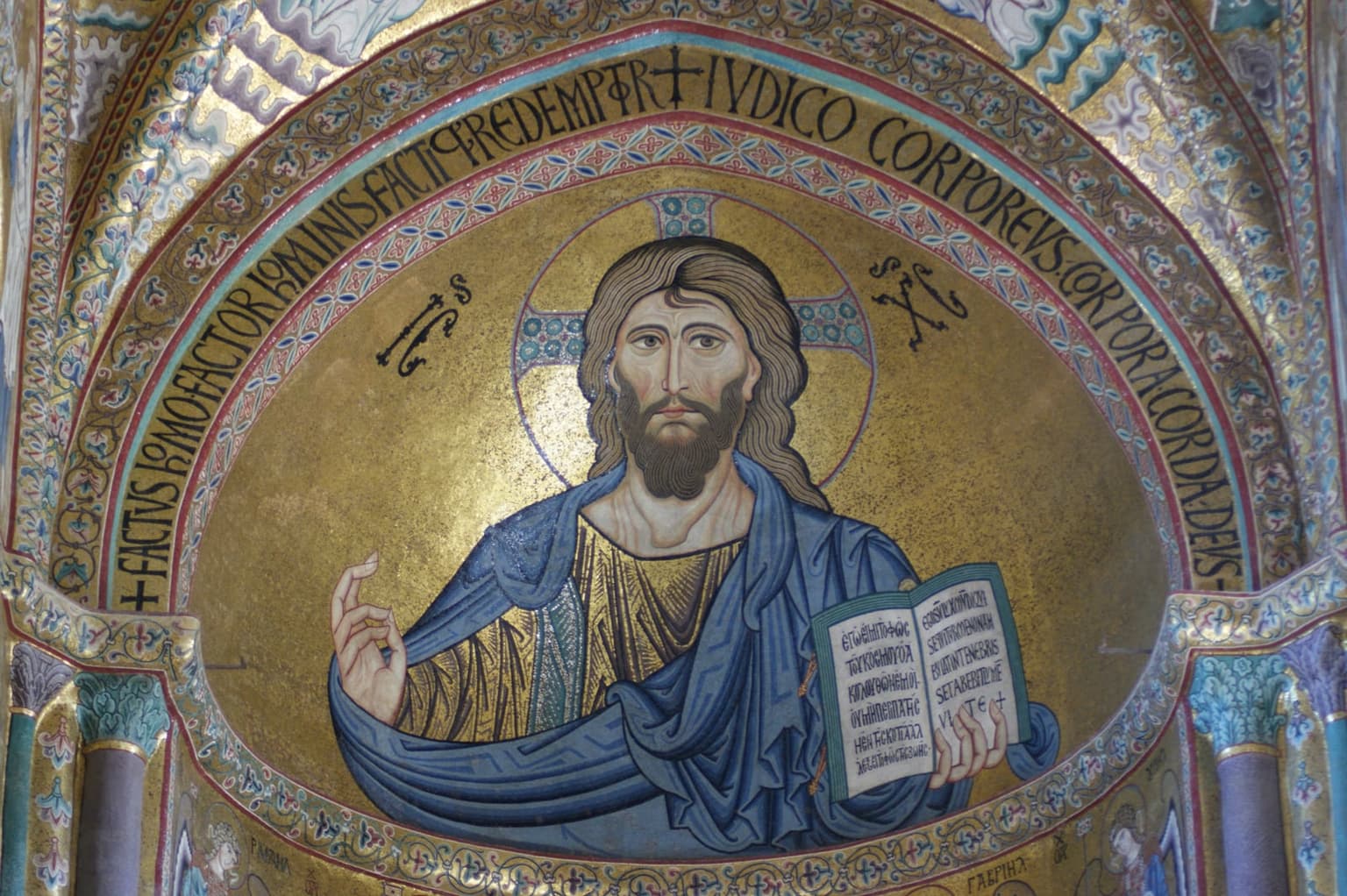
I paid for a route to get past the altar, into the part of the church that free entry keeps you out of, and the first thing it changes is scale. From the nave, the distance shrinks the Pantocrator into something you admire from across a room. A few meters under the apse, he's the only thing in front of you, and his eyes hold yours. Out on the piazza the summer heat was pressing down. In here the stone kept the air cool, and for a few quiet minutes I could pick out the single glass tiles in the gold. That close-up is what the ticket buys, and it was worth every one of those minutes.
If Norman mosaics are the point of your whole Sicily trip, Monreale is the one to prioritize, and the Palermo guide that covers Monreale is where to plan it. Cefalù gives you the single great apse, with a rock to climb and a harbor attached.
Climbing La Rocca in Cefalù: Shoes, Heat, and the Last Entry
La Rocca costs €5, or €2.50 for ages 6 to 14, anyone over 65, and teachers. In summer time (Europe's daylight saving time, late March to late October) it's open 08:00 - 20:00 with last entry at 18:00, and in winter time 08:00 - 17:00 with last entry at 15:00. The entrance is at Piazza Garibaldi and Salita Saraceni, and the Rocca page from Cefalù's town hall (the Comune) carries the current hours and rules.
⚠️ Warning
Sandals, flip-flops and smooth soles get you turned away at the entrance. It's the Comune's rule and it's enforced at the gate, so wear shoes with real grip even if you only mean to go partway up.
From the beach the Rock looks like a pleasant walk. It climbs harder than that, the path is exposed, and at midday in summer it's hot work. Go at opening, carry more water than seems reasonable and something for your head, and allow close to an hour to get up and about three hours for the full loop. On a summer day, 10:00 already counts as late. In winter time the 15:00 last entry quietly cancels any after-lunch plan. Stay off the walls and monuments, don't lean out at the lookouts, and keep to the paths on the map; the Comune posts all three. The ticket machine has been known to break down, one more reason not to turn up in the last minutes before last entry.
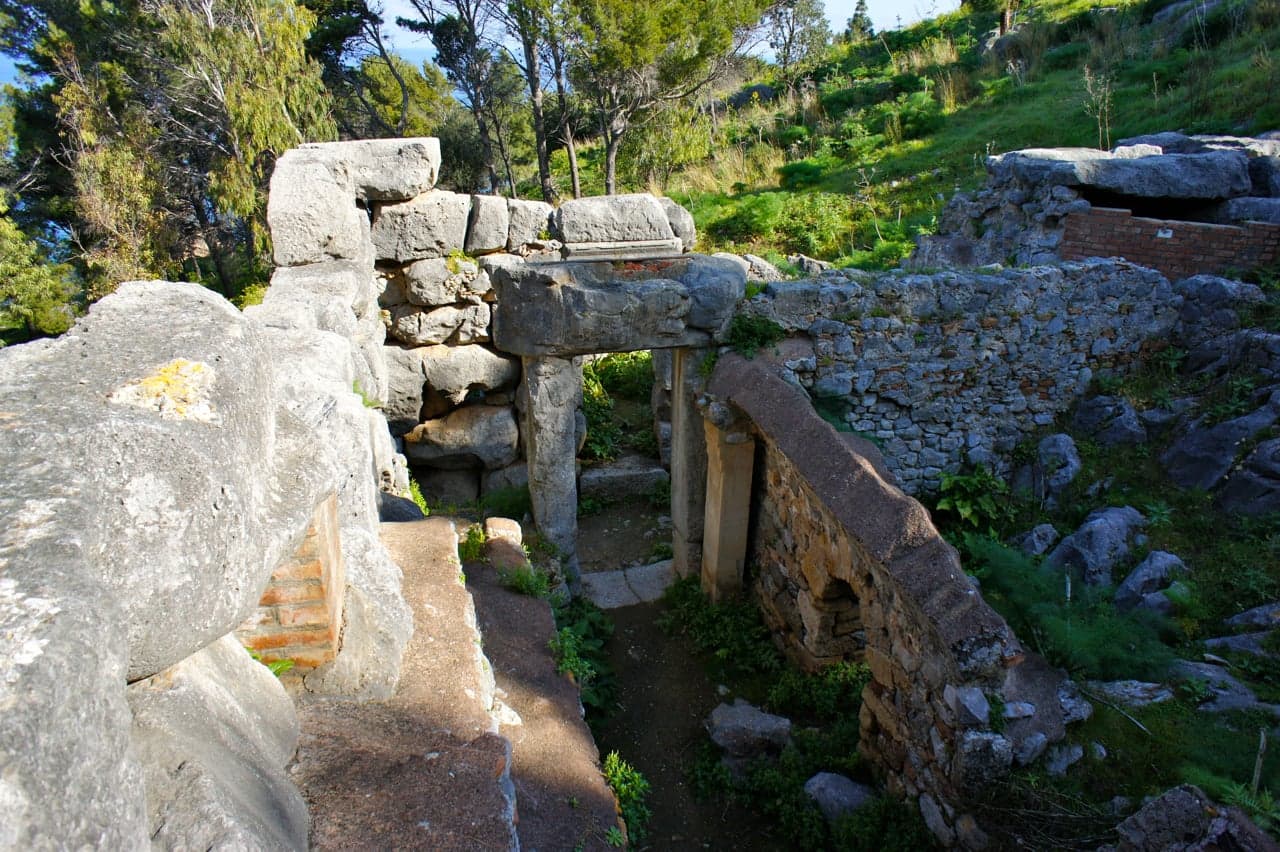
The climb pays out in pieces: the megalithic Temple of Diana, the stop worth slowing down for, the ruins of a 12th- and 13th-century castle, and stretches of a wall circuit more than 2 km long. Do the castle first, while you're fresh. Then the view, which is the real reason: the cathedral you craned up at from Piazza Duomo turns into two small towers in a spread of terracotta roofs, with the curve of the bay beyond. From up there the whole town makes sense at once, and so does how little room it has, squeezed between the rock and the sea.
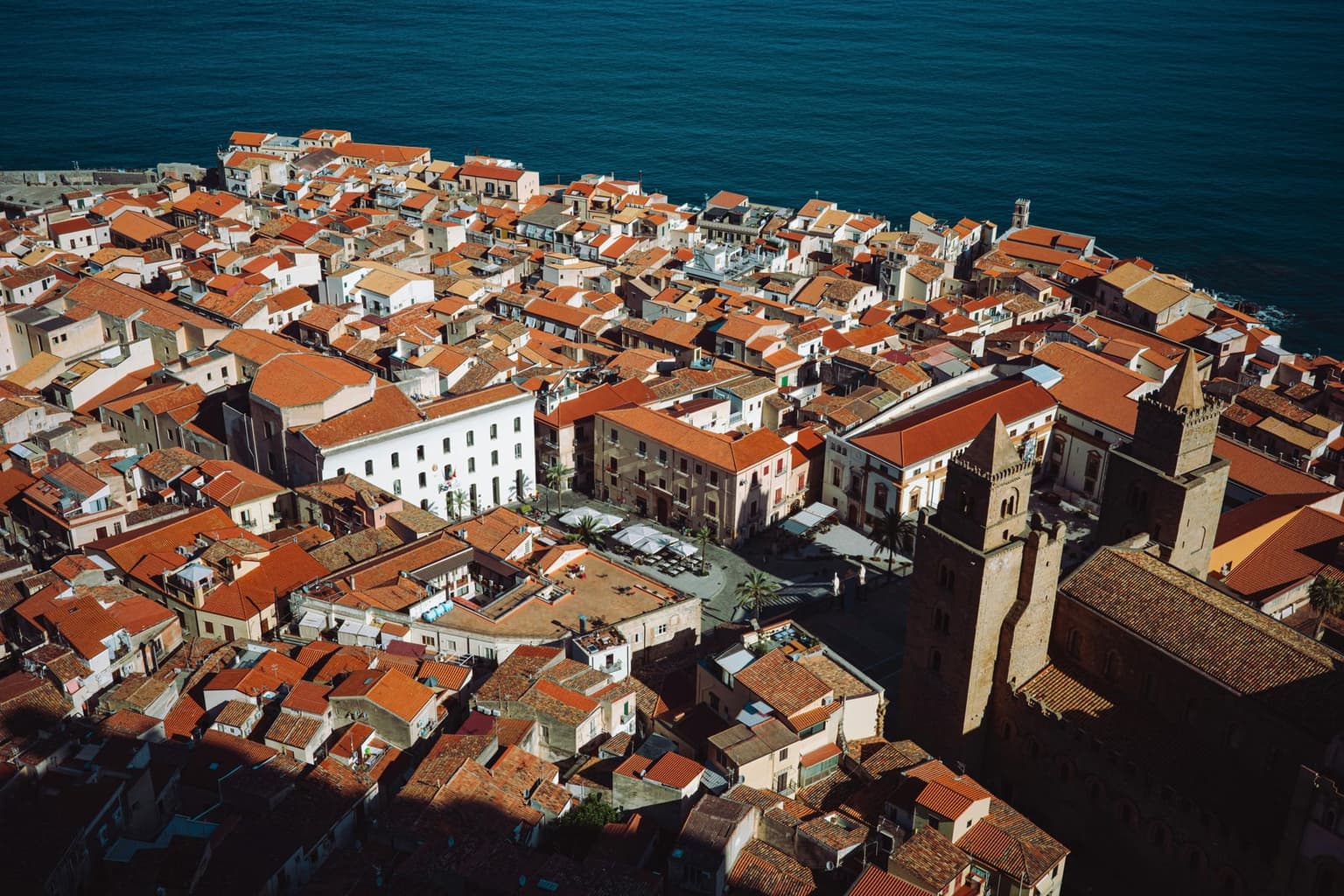
The way down is where the Rock collects its fee: the path stays slippery even in sneakers, and it's worse on tired legs, so take it slower than you took the climb. Go up at opening and you're back in the lanes before the cathedral shuts for lunch.
Cefalù Old Town: Porta Pescara, the Lavatoio, and the Harbor at Dusk
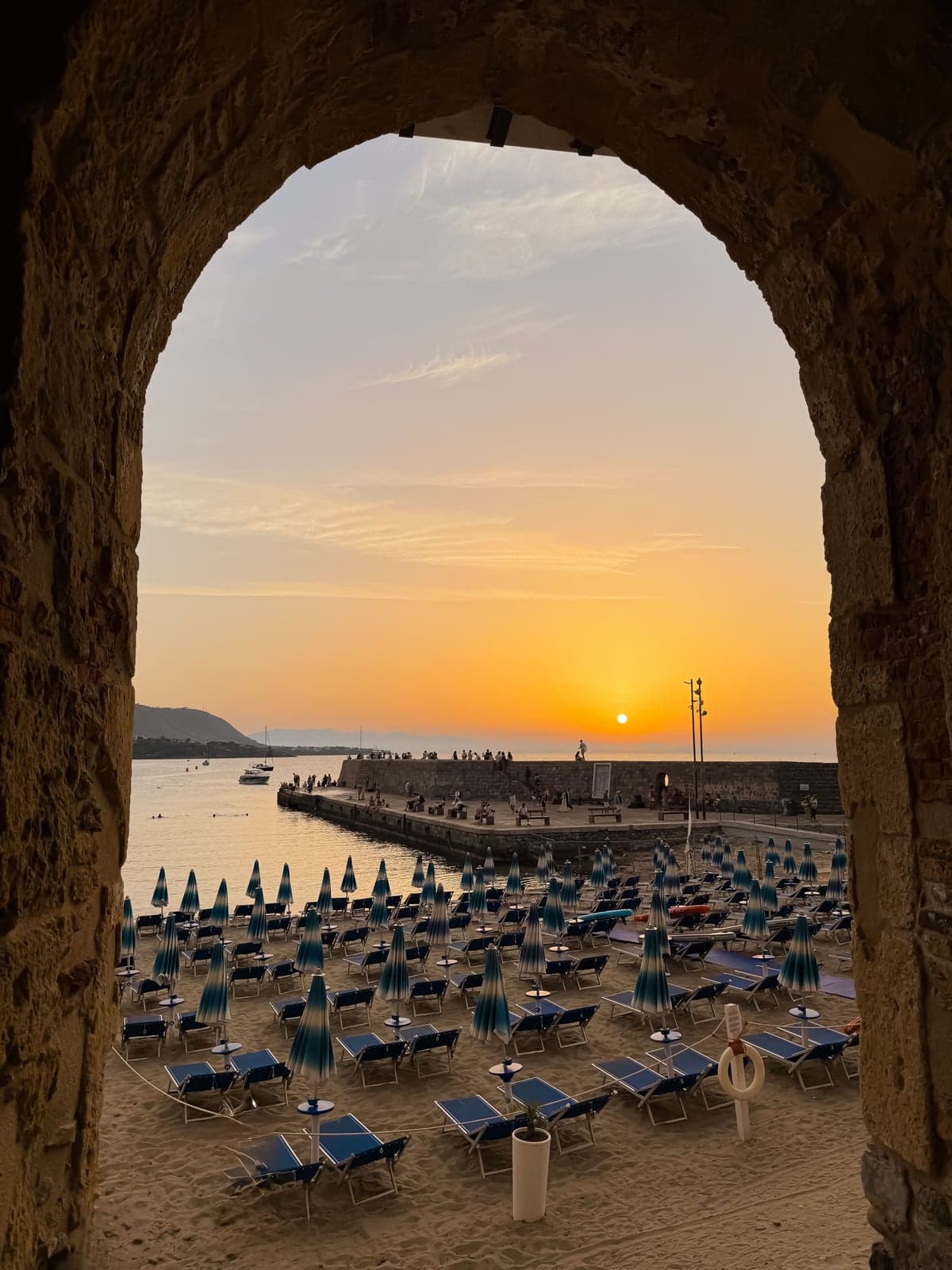
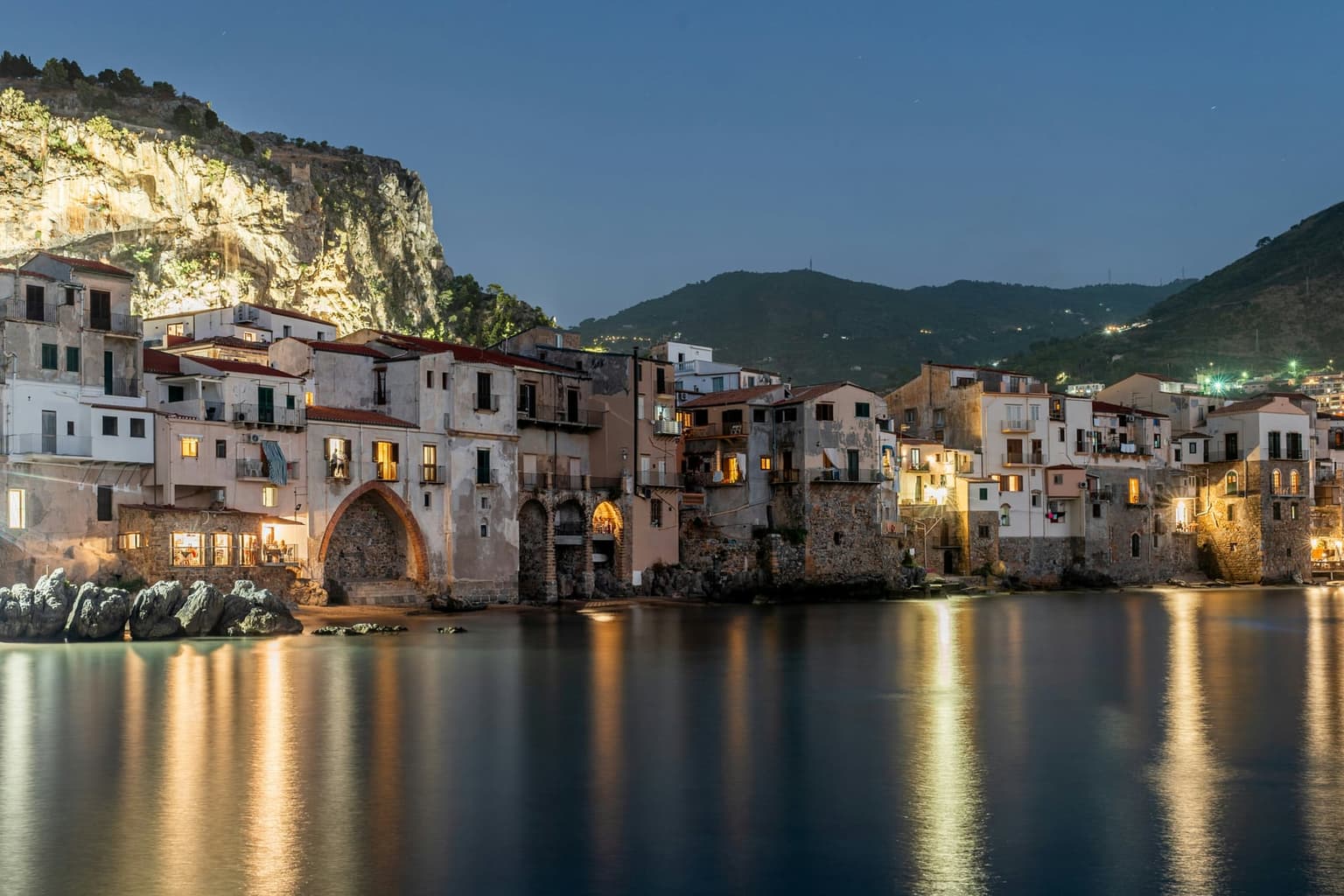
Cefalù's old town is a short walk from end to end, and the one route worth knowing is simple: Corso Ruggero, then Via Vittorio Emanuele, then out through Porta Pescara at number 105 onto the old pier. The gate is an arch in a street wall, easy to take for a shortcut into somebody's courtyard, and then the lane runs out and the sea is right there. Fishing boats sit off the pier, the waterfront houses climb straight out of the rocks, and La Rocca stands over the whole arrangement as if someone asked it to keep an eye on things.
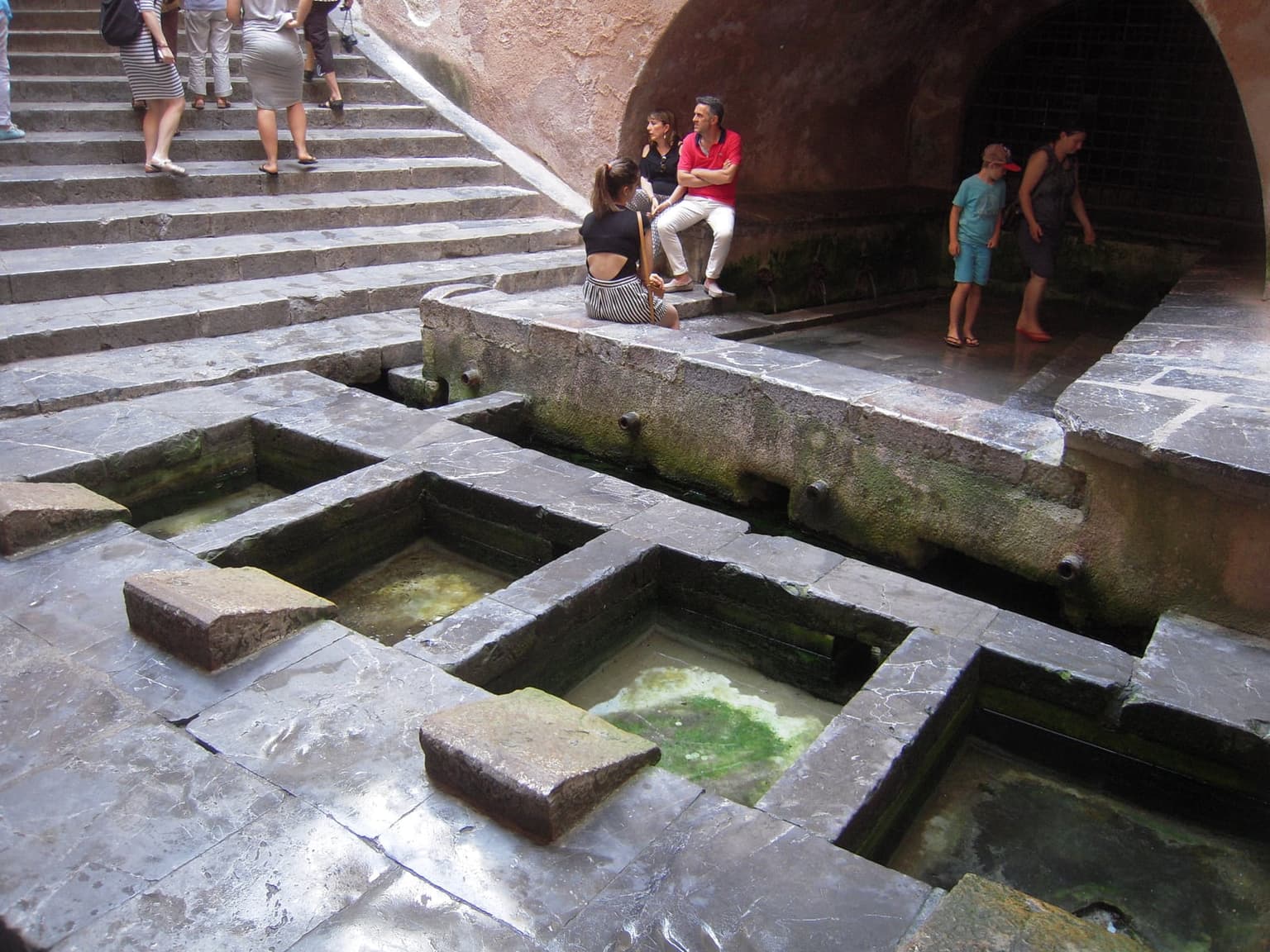
Back on Via Vittorio Emanuele, the Lavatoio medievale is the town's old public washhouse, and it's easy to be a few steps past it before you notice. Stone steps curve down to the water-filled basins, and the air at the bottom stays cool even in August, which on a summer afternoon counts as a sight in its own right. It takes five minutes to see and a good deal longer to leave. It closes for lunch, so pass it in the morning or late afternoon.
Museo Mandralisca, at Via Mandralisca 13, is a small collection with little in the way of labels. Unless Renaissance painting is the reason you came to Sicily, the streets outside it are the better use of the hour.
Then walk back to the harbor at the end of the day, when the lanes behind you have thinned and nobody is in a hurry to get anywhere. At sunset the town and the sea go gold and then pink, and the waterfront that was all elbows at noon turns into the reason you came. By dark the day's noise is gone from Corso Ruggero: dishes clinking in the osterias, low voices, the sea somewhere behind the houses, warm lamps on the stone, and the cathedral filling an emptied Piazza Duomo. It's the part of Cefalù a day trip is most likely to cut short.
Eat pasta a taianu while you're here, Cefalù's own dish: maccheroni in a beef-and-lamb ragù with fried eggplant and pecorino. If you're in town on August 6, the feast of the Santissimo Salvatore brings an evening procession.
Below the old town there's one sandy town beach. The port beach was closed for pollution in 2025, so check its status locally before you plan on it. Whether a Cefalù day should end on the sand at all, or another stretch of coast deserves it more, is what a beach-by-beach look at Sicily, costs included settles.
Getting to Cefalù from Palermo and Palermo Airport
The regional train from Palermo Centrale to Cefalù takes 40 minutes to an hour and runs roughly hourly, from around 05:00 until a last departure from Palermo around 21:30 on weekdays. A regional ticket is €7.10, an Intercity €9.00.
For a day trip, the timetable that matters is the one coming back. On the three late-September days I checked, the last direct regional train from Cefalù left at 21:13, or 21:06 on the Sunday, with an Intercity at 22:06 behind it. The ride back takes 48 to 58 minutes. Plan dinner around those times, not the other way around. Timetables shift, so run your own date through Trenitalia's journey planner.
From Palermo airport (Punta Raisi) there is a train to Cefalù, but its shape depends on the day. A direct run takes about an hour and a half, a little more on some departures. Otherwise you change trains, most often at Palermo Centrale, and the trip usually takes between just under two hours and two and a half, now and then more than three. The fare is €13.10. Heading back to the airport for a flight home works the same way: on the weekday checked, every connection had a change and took roughly an hour and 40 minutes to two and a half hours.
⚠️ Warning
The direct train from Palermo airport to Cefalù doesn't run every day. Across a full week of late-September timetables, it ran only on Sunday, and every other day's connection meant a change. Check your exact date before you plan the airport run.
If you land on a weekday afternoon with two big suitcases, the change of trains is the part of the trip nobody enjoys, and a private transfer skips it. Book a fixed price ahead and give your flight number when you book. Expect a price in the hundreds of euros, not tens, so it earns its keep when the bags are heavy or the cost splits across several people.
Pre-book a transfer from Palermo airport to Cefalù
A fixed price for the car, booked with your flight number - worth it with heavy bags or split between several people
Coming from Taormina, you reach Cefalù on the Tyrrhenian line via Messina, and how the Messina side of that trip works is a separate planning job.
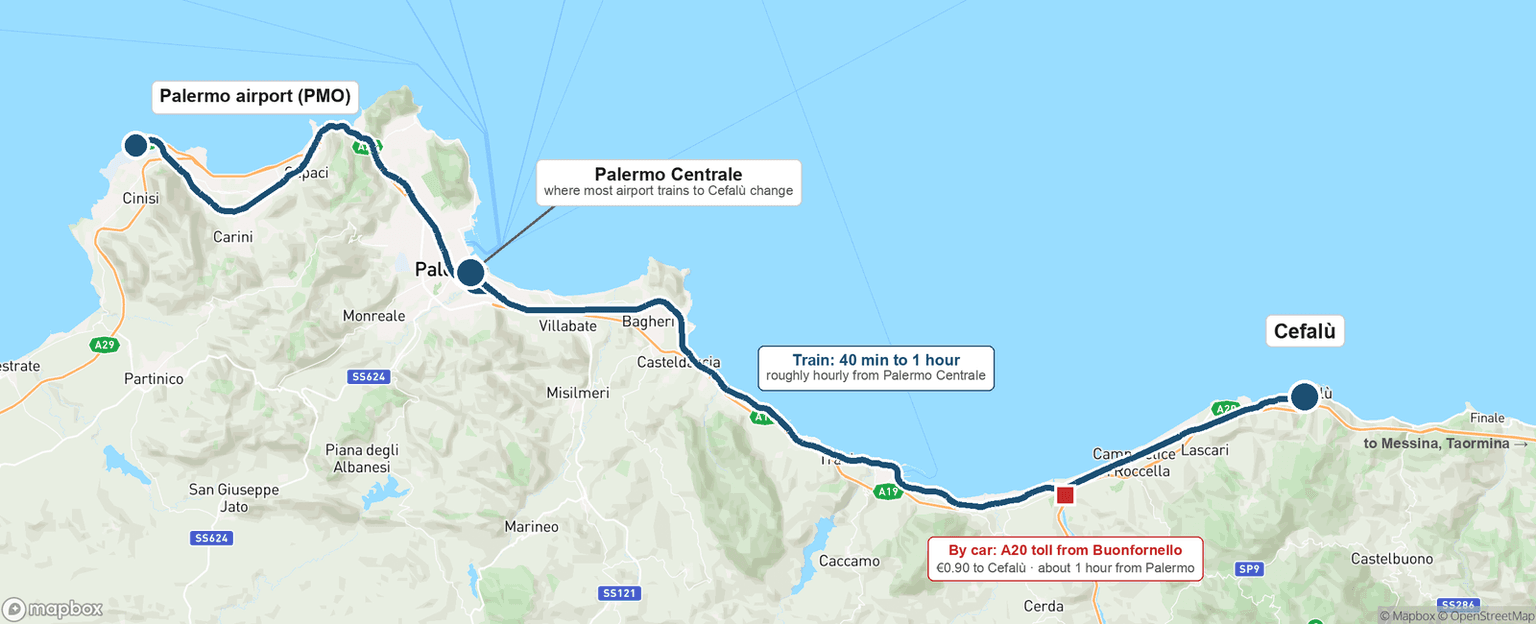
From Cefalù station to the old town is about 10 to 15 minutes on foot, closer to 20 with bags, and there's a taxi stand at the station exit for anyone who looks at their suitcase and decides against it.
Driving to Cefalù: the A20 Toll, the ZTL, and Where to Park
By car, Cefalù is about an hour from Palermo on the autostrada, joining the tolled A20 at Buonfornello. The stretch from Buonfornello to Cefalù costs €0.90 for a car. If you're basing yourself here with a car, pick it up at Palermo airport: you land there anyway, and you never have to collect a car in Palermo's center. Compare the total with full insurance, not the headline daily rate.
Compare rental cars at Palermo airport
Price the full-insurance total, not the daily rate, and take the airport pickup over a city-center desk
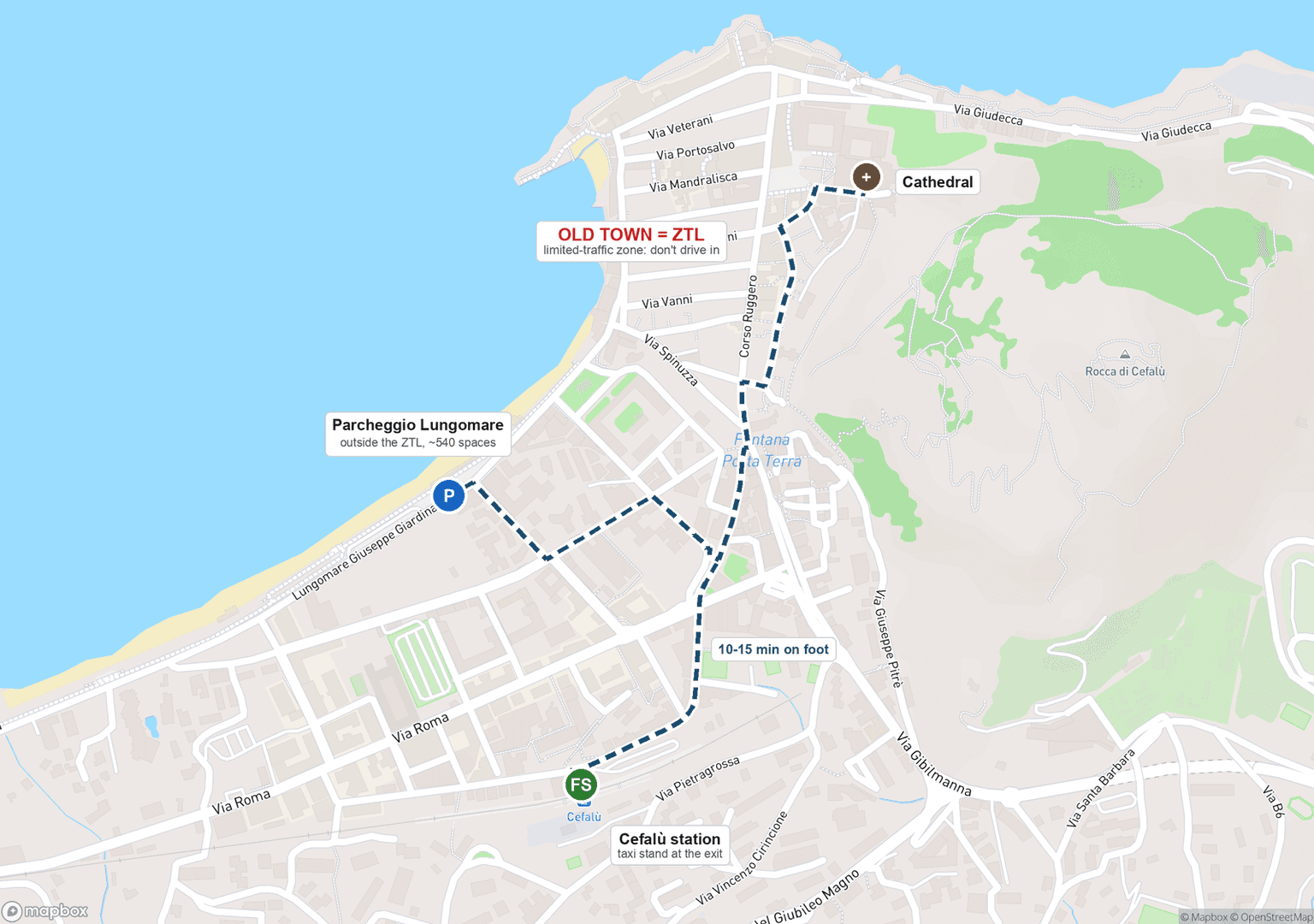
The old town is a ZTL (zona a traffico limitato, a limited-traffic zone), so don't drive in. The summer access hours published locally are for permit holders, not visitors. Leave the car at Parcheggio Lungomare on Lungomare Giardina instead: about 540 spaces, unattended, reachable without entering the ZTL, with tariffs that change by season. Staying inside the old town? Ask your hotel before you arrive how guests with cars should handle the last stretch.
Where to Stay in Cefalù: The Old Town or the Seafront
Stay in the old town if you arrive by train, and on the seafront with parking if you drive. The ZTL makes this a real split, not a matter of taste: the lanes that make the old town worth sleeping in are the same lanes your car has no business entering.
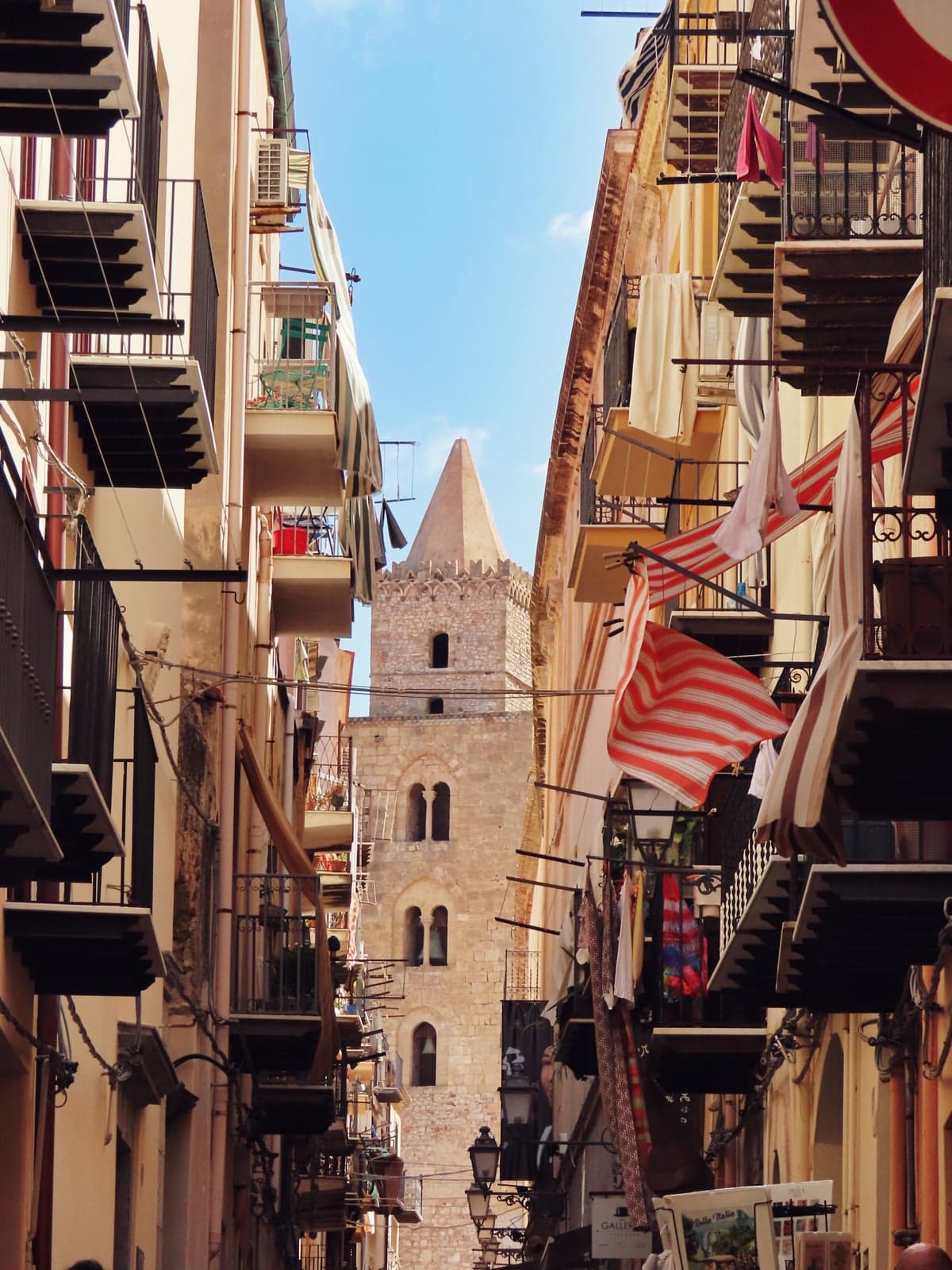
This is the "no" branch of the day-trip question, and it's the easier one to live with. A night takes the pressure off both clocks. You're at the Rock's entrance at opening, while the path is still cool. When midday turns serious, you walk back to your room and let the town bake without you, a move nobody sleeping in Palermo gets to make. And in the evening the old town is still there after the last trains back to Palermo have gone.
I stayed on a weekday night in mid-September, and the switch comes right after sunset, when the day-trippers head for the trains back to Palermo. What's left is locals and people in no hurry, and dinner stops being a contest: I got a table at Brama and at Mandralisca 16 without any trouble. In the morning, before the first trains pull in, the lanes are empty. The catch is size. The whole historic center takes about twenty minutes on foot, and after that there isn't much left to do. Next to Palermo's streets, it can also feel a little polished. So a night here buys a slow evening and a quiet dinner by the sea, not more to see. If you want scale and raw history, take the evening train back to Palermo.
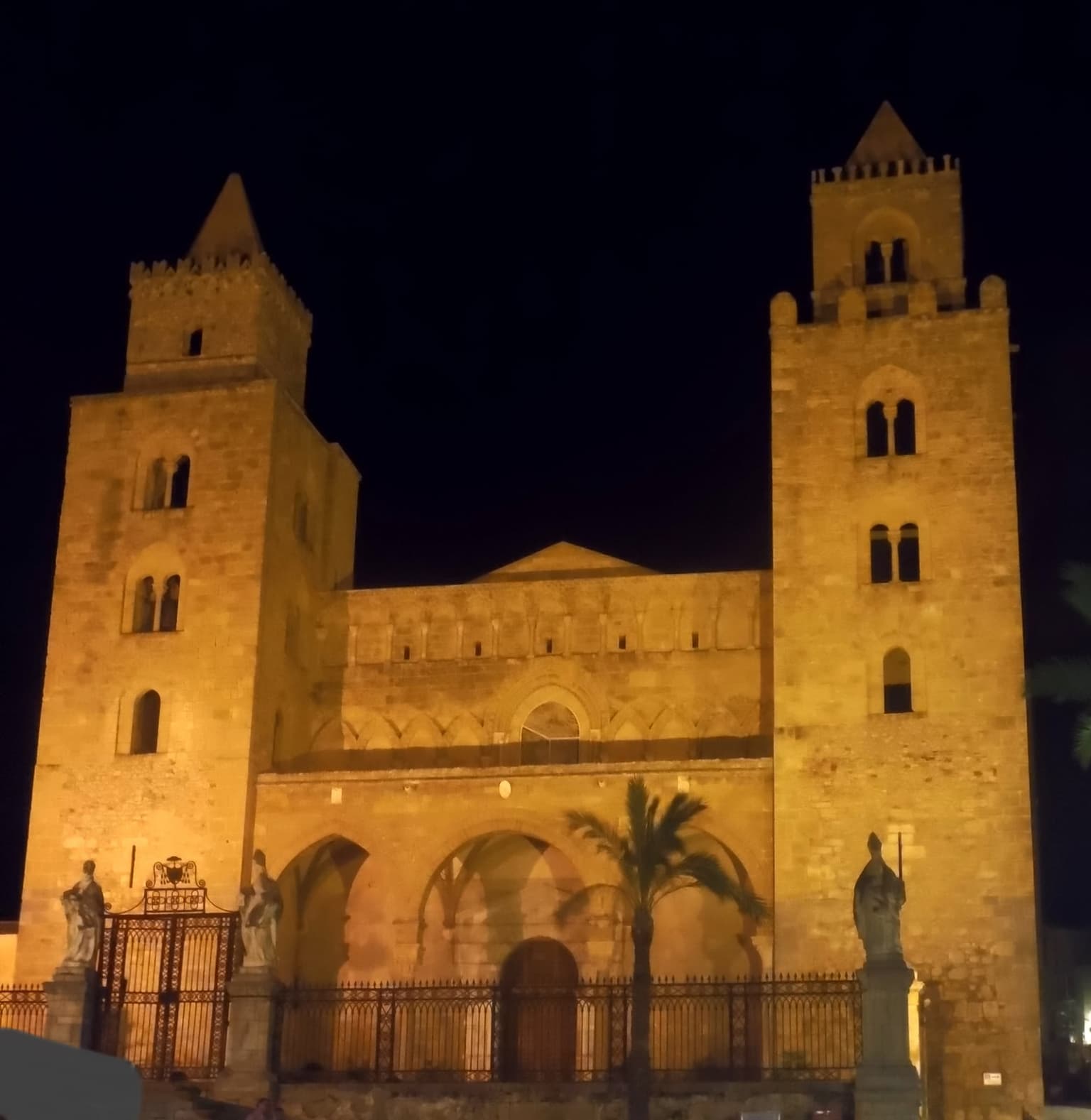
Coming by train, book in the old town. The cathedral, the lanes, and the harbor are a short walk apart, and the midday retreat actually works: . The old town is a ZTL, so before you book, ask the host how guests arriving with bags reach the door, and think through the walk from the station with those bags in mind: a listing's "central" can feel a lot less central with a suitcase bumping along behind you.
Driving, take the seafront instead, with a hotel that has its own parking outside the old-town ZTL: . Confirm the parking is on-site or reserved in your name, not just "nearby," and that the hotel's directions to it don't take you through a ZTL gate.
I'd skip the rentals out on the edges of town: they quietly hand back half of what the night was for, the walk home at midday.
Frequently asked questions
- Is Cefalù worth visiting, or is it too touristy?
- Worth it, on your hours rather than everyone else's. At midday in summer the lanes are packed shoulder to shoulder; early on the Rock and late at the harbor, the town is a different place.
- How many days do you need in Cefalù?
- A day works from Palermo if you start early and climb La Rocca first. A single night is better: the cathedral closes 13:00 - 15:30 and the Rock stops letting people in two hours before closing, and a night lets you do both without racing either clock. Beyond that, extra nights are for the beach.
- Is Cefalù cathedral free to visit, and what is the dress code?
- Entry is free, 08:30 - 13:00 and 15:30 - 18:30. Cover your shoulders and skip very short shorts or skirts. The paid routes, from €10, add the towers, the roofs, and the stop right under the apse mosaic, and the mosaic area closes during Mass.
- How hard is the climb up La Rocca, and how long does it take?
- Harder than it looks from the beach: exposed, hot at midday, and slippery on the way down. Allow close to an hour to get up and about three hours for the full loop. Go at opening, and wear closed shoes with grip, since sandals and smooth soles are turned away at the entrance.
- Is there a direct train from Palermo airport to Cefalù?
- Not every day. In a full week of late-September timetables, the direct train ran only on Sunday, taking about an hour and a half; every other day meant a change, most often at Palermo Centrale, and usually between just under two hours and two and a half. Check your exact date before you plan around it.
Whichever you choose, save the last of the light for the old pier past Porta Pescara. It's the view in Cefalù that comes with no ticket, no last entry, and no dress code.