George Mandrovny
You can walk the lower mountain and reach the top cable-car station on your own. Above that, what you are allowed to do is set by a map and the day's alert level rather than by a height: inside the yellow zone the volcano observatory draws, the only legal way in is with an Alpine or Volcanological guide, helmet included. The lift's own round-trip ticket is €54, its guided package €82. The Silvestri craters, drive-up and free for decades, now cost €5. Wear closed-toe shoes with a sole that grips, and a windproof layer whatever the coast is doing. The one trap: a cheap "Etna tour" that drives you to the base and leaves the way up as an extra.
Other mountains sell you a view. Etna sells you altitude, one rung at a time, and each rung has a price and a gatekeeper: your legs as far as the top station, a ticket for the wire if you would rather not walk it, and a guide for whatever ground the yellow zone covers. What makes the mountain awkward to plan is that the top rung moves. It is drawn on a map, read off a live alert level, and adjusted on the morning itself, which is why five websites will quote you five different ceilings and each can be right about the day it saw. I would rather hand you the ladder than a number that expires. The rest of this is that ladder, rung by rung.
How high you can go on your own
The rule up here is not an altitude. You can walk the lower mountain and reach the top cable-car station with no guide and no paperwork. Above and around it, what you may do is set by a map and by the volcano's alert level that morning. The south side runs on the Comune di Nicolosi's Ordinanza Sindacale 27, of November 13, 2023, and it draws two areas: the summit zone - the craters, the upper Valle del Bove, everything it places roughly above 2,500 m, plus a safety band around any active vent - and the zona gialla, a perimeter drawn by INGV's Etna Observatory that runs wider still, especially at the Valle del Bove. A map, not a contour line.
At the normal alert state, unaccompanied excursions in the summit zone are permitted outright - which answers the without-a-guide question - with duties attached. Before you set off, get the volcano's state, the alert level, the weather and the permitted routes from the authorities. Stay on marked paths. Carry boots, a windproof layer, a hat, food, water, a phone and a flashlight. Skip it with a cardiac or respiratory condition, and go between dawn and sunset only: no sleeping out up there.
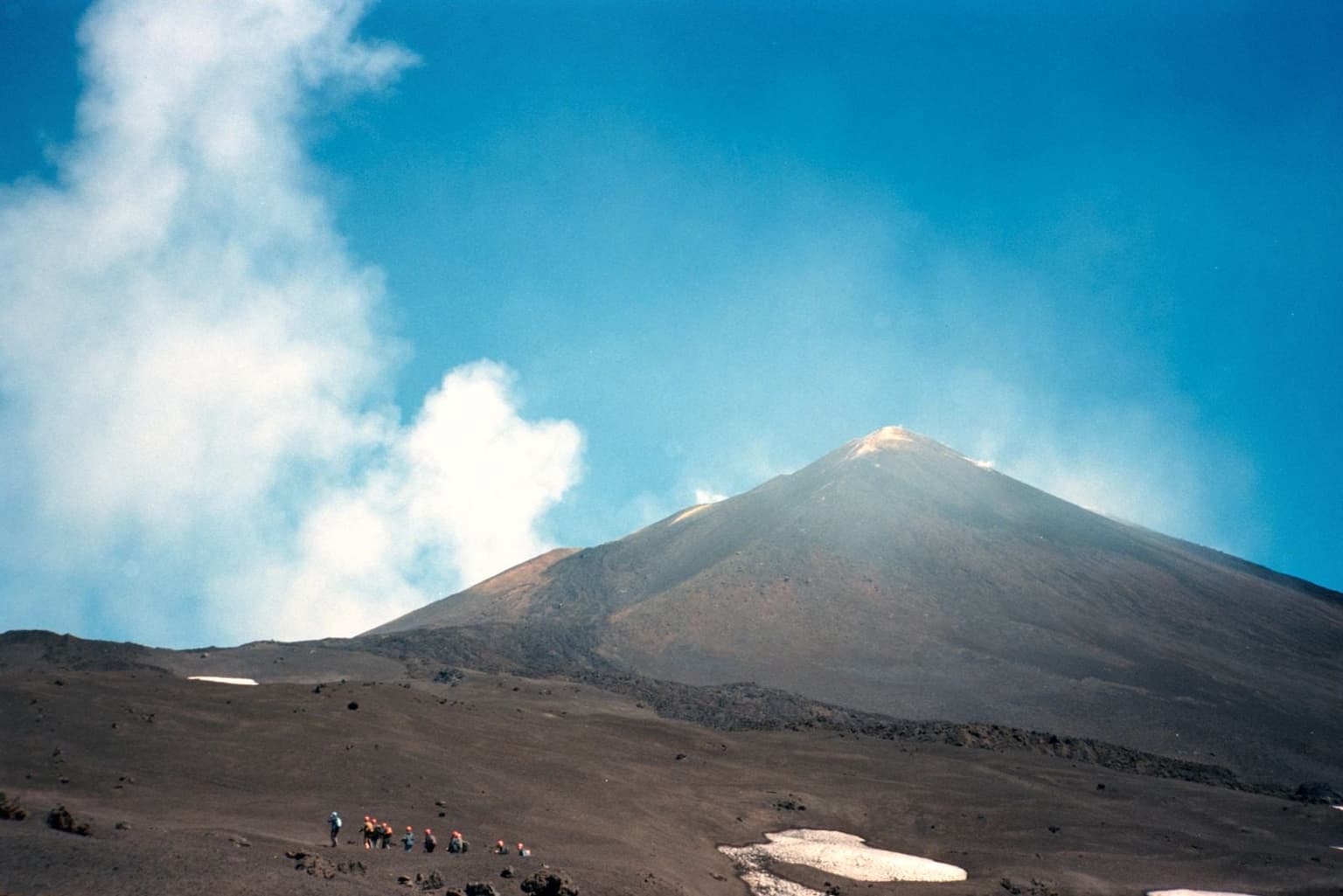
The yellow zone is where the rule bites. Inside that perimeter the only legal way in is with an Alpine or Volcanological guide - those two categories by name, which is what to check when you book - properly dressed, carrying safety equipment, protective helmet included. Not the upgraded version of the visit. The only legal one.
And it moves, sometimes inside a single day. One step up the observatory's alert scale - preallarme - and everything in both zones stops: guides break off and walk their groups down. They act the moment the region's civil-protection desk sends the change, without waiting for a new ordinance. Which is why a clear morning can end with you turned around, and why the lift operator will not print a ceiling on its own product page.
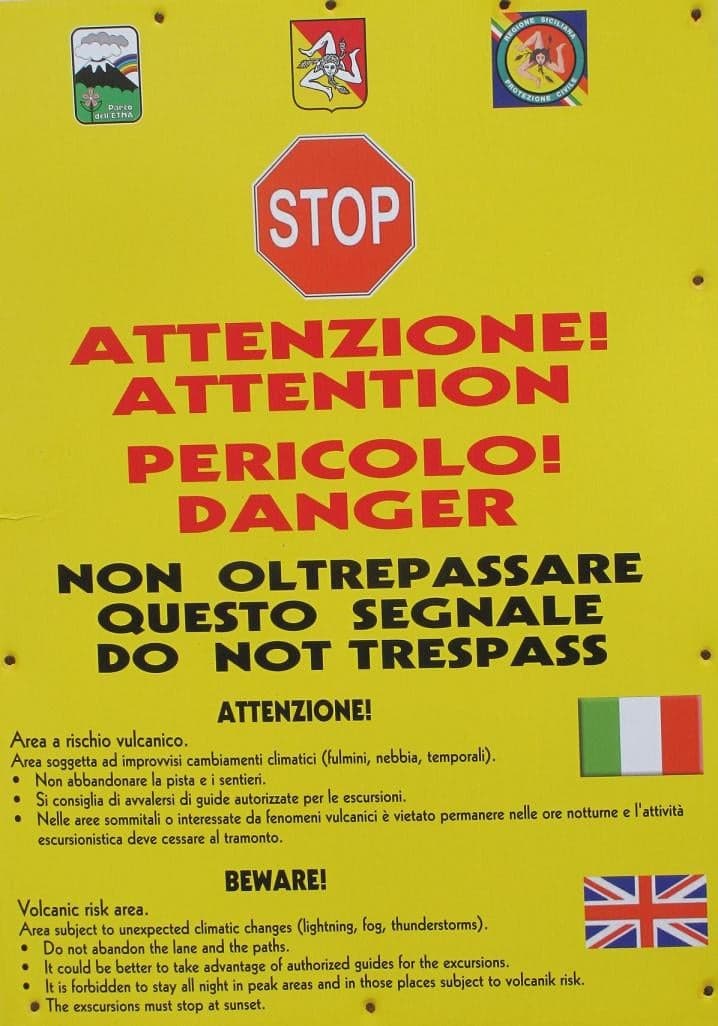
You will still meet numbers everywhere you read. Treat them as reports, not rules. The 2,500 m you keep seeing is the ordinance's own description of where the summit zone starts, not a permission line; every other figure in circulation is somebody's account of where they personally got stopped. The one distance I would carry in my head is the Southeast Crater: no approach at all, 300 m minimum in a straight line, at any point in an excursion.
Under your own steam you get the lower slopes, the craters near the road, the ground around the top station and, when the mountain is quiet, the summit zone itself. What stops you is not your legs; it is the map and the day.
⚠️ Warning
Two things to check before you book, and again on the morning you go: the current ordinance for the flank you are heading to, and the volcano's alert state - that pair is your ceiling. When the mountain is active, expect the guided leg to stop lower than the brochure suggested.
The park authority's register of current Etna access ordinances, comune by comune (parcoetna.it)
The cable car: what €54 buys
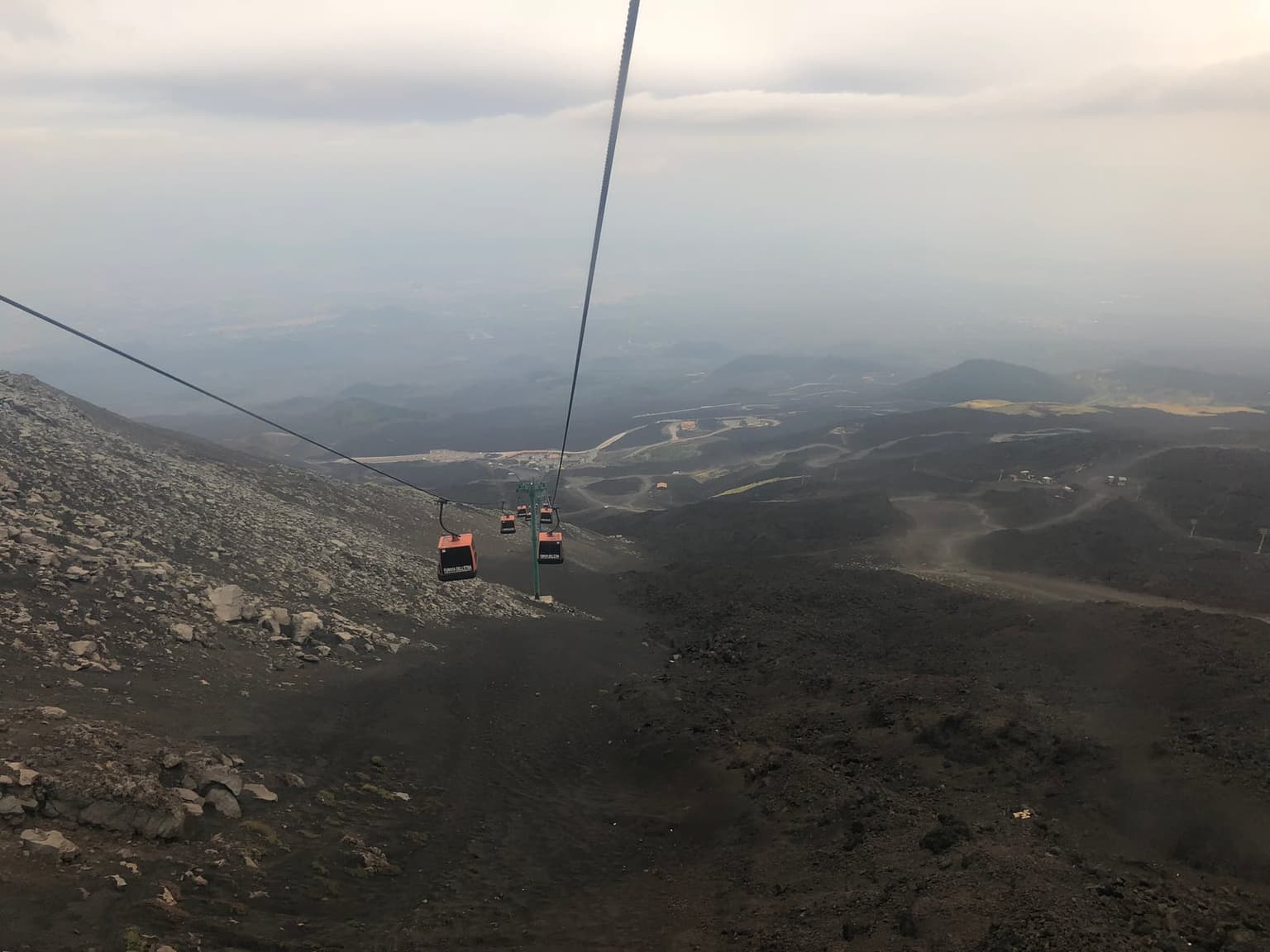
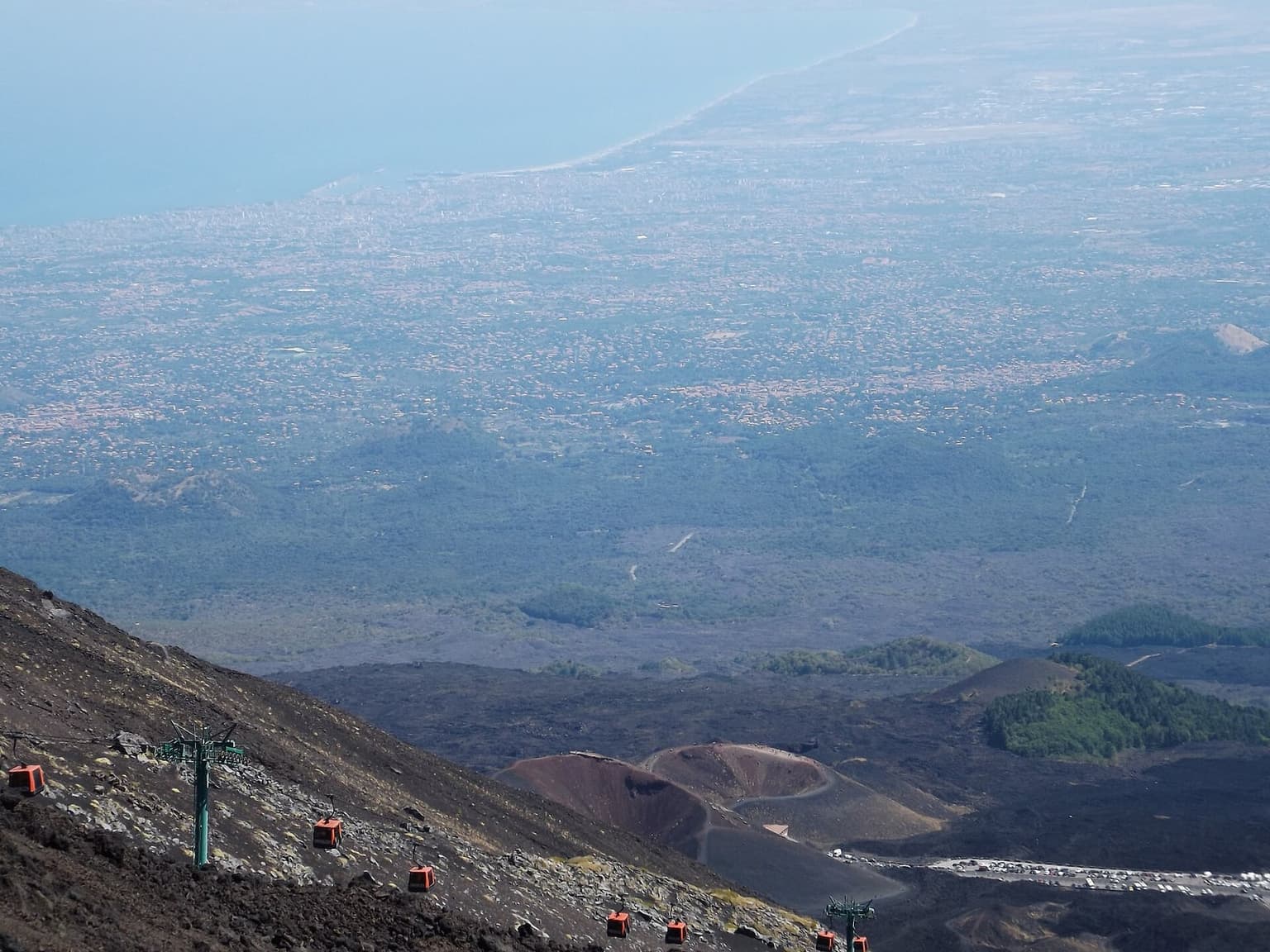
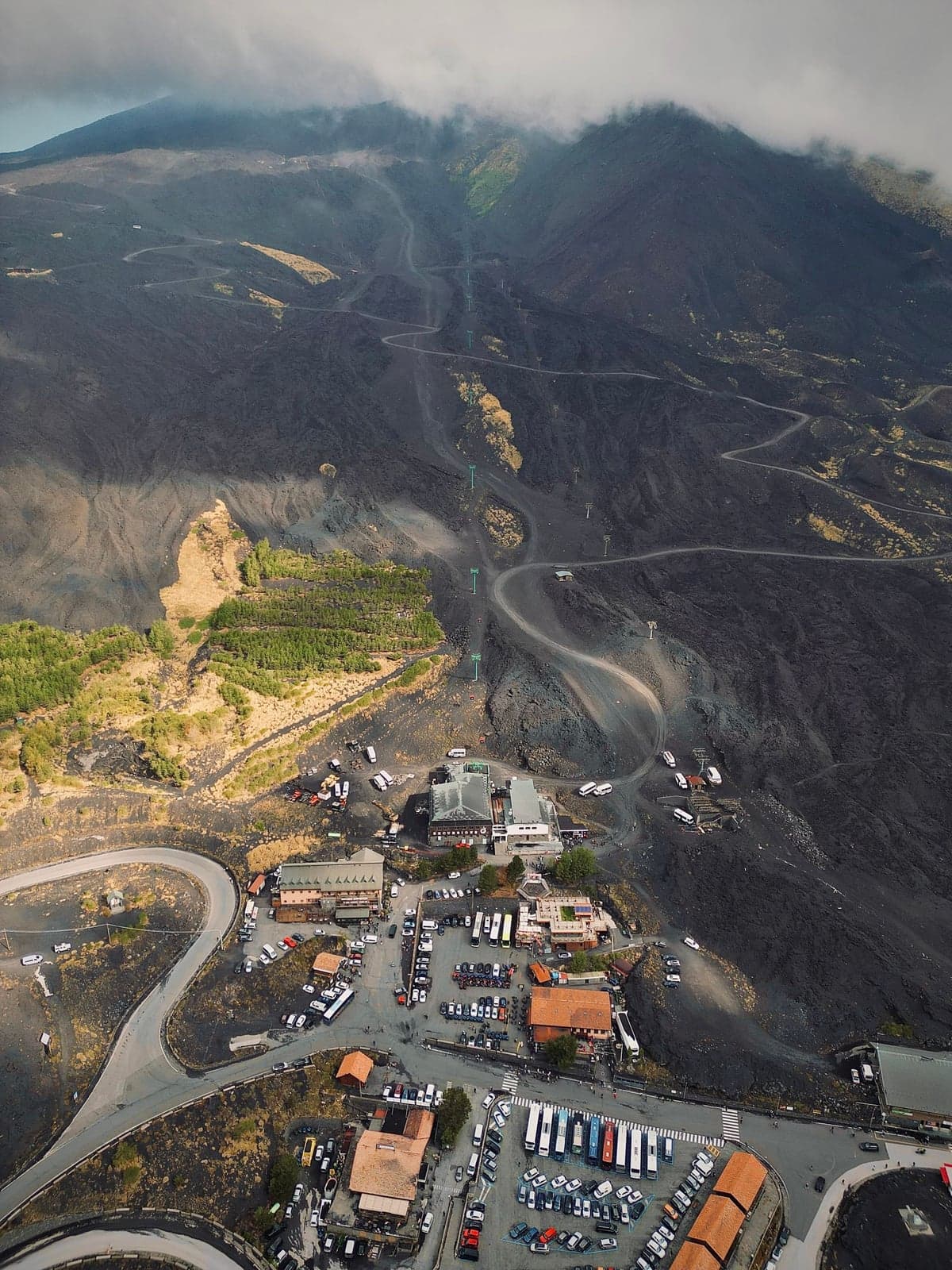
The lift is the rung most people buy. It runs from Rifugio Sapienza, the base station at 1,923 m, to a top station at 2,500 m, and the ride takes about a quarter of an hour in a cabin strung over black lava. The ticket window sits at the bottom with its price board in plain view, which is where a lot of Etna days quietly stop being cheap.
Four things are sold around that window, and they are not four versions of one ticket. Two are the lift operator's own; two more come off the guides' cooperative price list, which is where most of the price confusion online begins. Two vendors, two sets of products, not one number contradicting itself.
| What you get | Price | Who sells it |
|---|---|---|
| Round trip to the top station, 2,500 m | €54.00 | Lift operator |
| The same ride plus a 4x4 and a volcanological guide above it ("Tour 3000"), 2.5 hours, departures 08:30 - 15:15 | €82.00 | Lift operator |
| Cable car and a 4x4 jeep, advertised to 2,750 m | €78.00 | Cooperative list, March 2026 (secondary) |
| The winter snow-cat version | €89.00 | Cooperative list, March 2026 (secondary) |
First cars go up at 08:30, daily, "subject to weather conditions or technical requirements" - the operator's own wording, and about as much as anyone will promise. When the last one comes down is where the published hours stop agreeing: the operator prints one set, resellers print others, and the gap on the last ascent runs to a couple of hours. So treat the lift as a morning machine: be on the last car up well before late afternoon, and check the day's hours before you drive up. The ticket page lists round trips only; a one-way leg is not among the products on it.
What the ride buys is 577 vertical meters and a different planet at the top: you step out onto bare black slope with the coastal plain a very long way below. What it does not buy is a single meter above that station. Above it you are either walking it yourself, inside what the map and the day allow, or buying the guided rung; this ticket does neither, and I would settle which one at the bottom, not at the top with a new price list in front of me.
⚠️ Warning
Any "Etna tour" advertised at or under €54 is selling you the drive to the base, not the way up: the lift's own round trip costs that much before a guide has taken you anywhere. Ask one question before you book - what does this price include above 1,923 m?
Above the top station: the 4x4, the guide, and what "3000" means
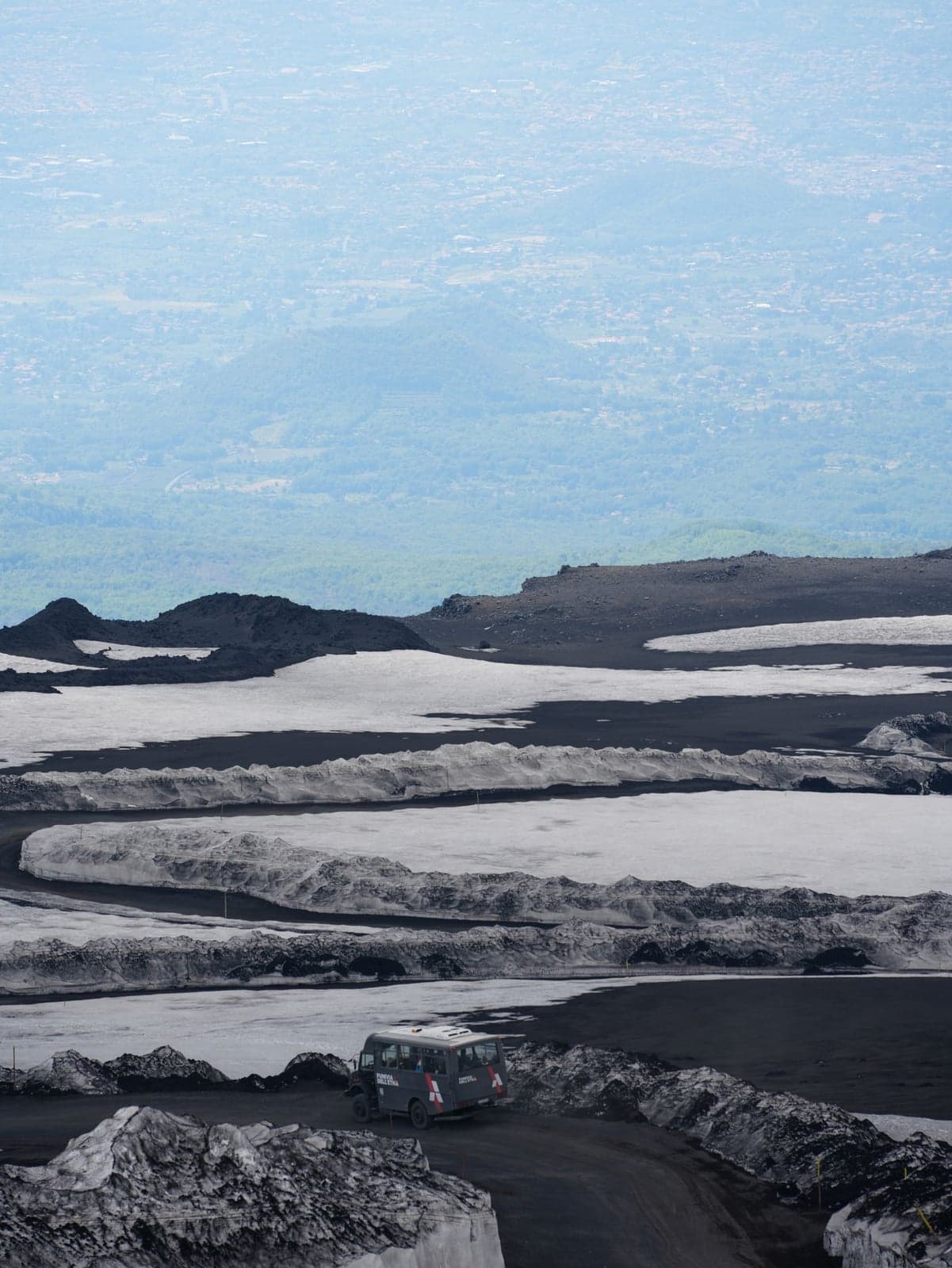
Step off the cable car and the mountain changes hands. From the top station the guided leg continues by 4x4 up an ash road, then on foot with a volcanologist, out among craters and lava young enough to still be black. The lift operator's own package, the second line in the table above, bundles the ride, the vehicle, and the guide into a single ticket.
What that guide owes you is written down, and it is worth knowing before you pay. The ordinance makes them brief the group on the dangers in English, not only Italian; take a signed declaration from every hiker that they are in good physical condition, with no heart or lung trouble; inspect what you are wearing and carrying and hand you a helmet where one is needed; and turn away anyone unfit or badly dressed. Inside the yellow zone the ratio tightens to ten people per guide, moving through rather than standing around in it.
Three things to do with that, then. Ask what the price covers in the way of equipment instead of assuming a helmet appears. Expect the waiver, and read it. And take the clothing and footwear line seriously, because being turned away at the meeting point with a ticket in your hand is a real outcome.
"Tour 3000" is the name of a product, not an altitude. The operator sells it as reaching "the maximum altitude allowed by the authorities" and prints no number at all - which, after everything above, is the honest thing to do rather than a dodge. I read the 3000 as a brand name, and the ceiling as today's map and today's alert level.
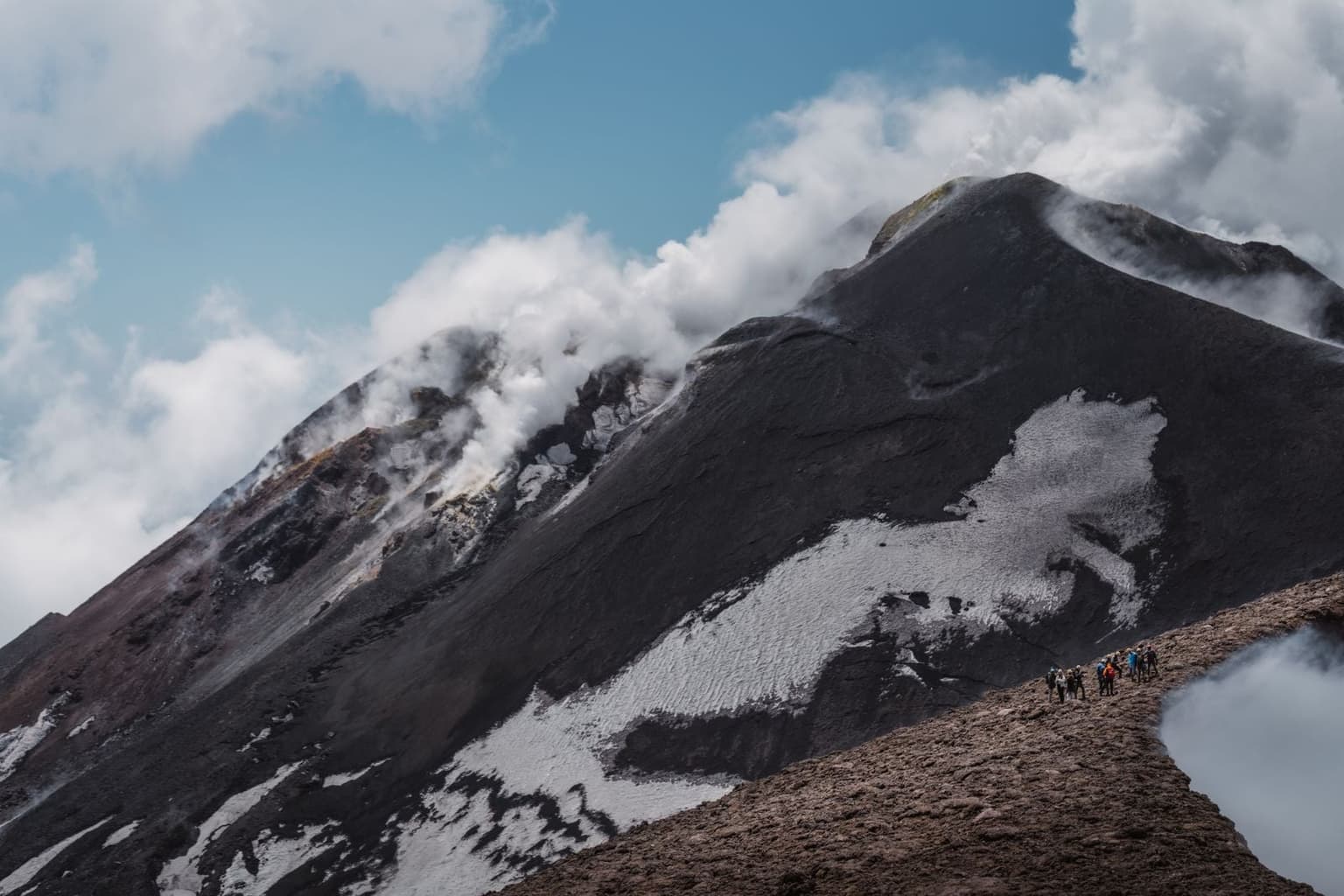
What the ticket buys is altitude and a guide. It does not buy lava. Nobody can sell you that, and an operator who implies otherwise is selling you weather. The tours usually do run when the mountain is active; what actually cancels a day up here is the weather on the wire, not the eruption. One step up the alert scale and the question is moot: nothing goes above at all. Heavy ash can shut Catania's airport for part of a day too, which is a flight problem, not a mountain one.
During the August 2026 eruption, guide operators were fielding around 300 requests a day, roughly triple a normal summer. If you are picturing yourself deciding at the top station whether to go higher, picture the line. Book the guided leg before you leave home.
What to compare between operators is not the headline price but what sits under it: which of the two guide categories is leading, how far up the vehicle actually goes before you are walking, and how many people that guide is taking.
The Silvestri craters, and the €5 that surprised everyone
The Silvestri craters cost €5 to walk into, and have since Thursday, October 2, 2025, when a fence, a gate and somebody selling tickets appeared at ground people had wandered onto freely for decades. The crater area is private land. Sicily residents go in free; everyone else pays at the barrier. This is the fact on this mountain you are most likely to arrive with the wrong version of, because almost every guide and listing still says Silvestri is free and drive-up, and until that Thursday it was.
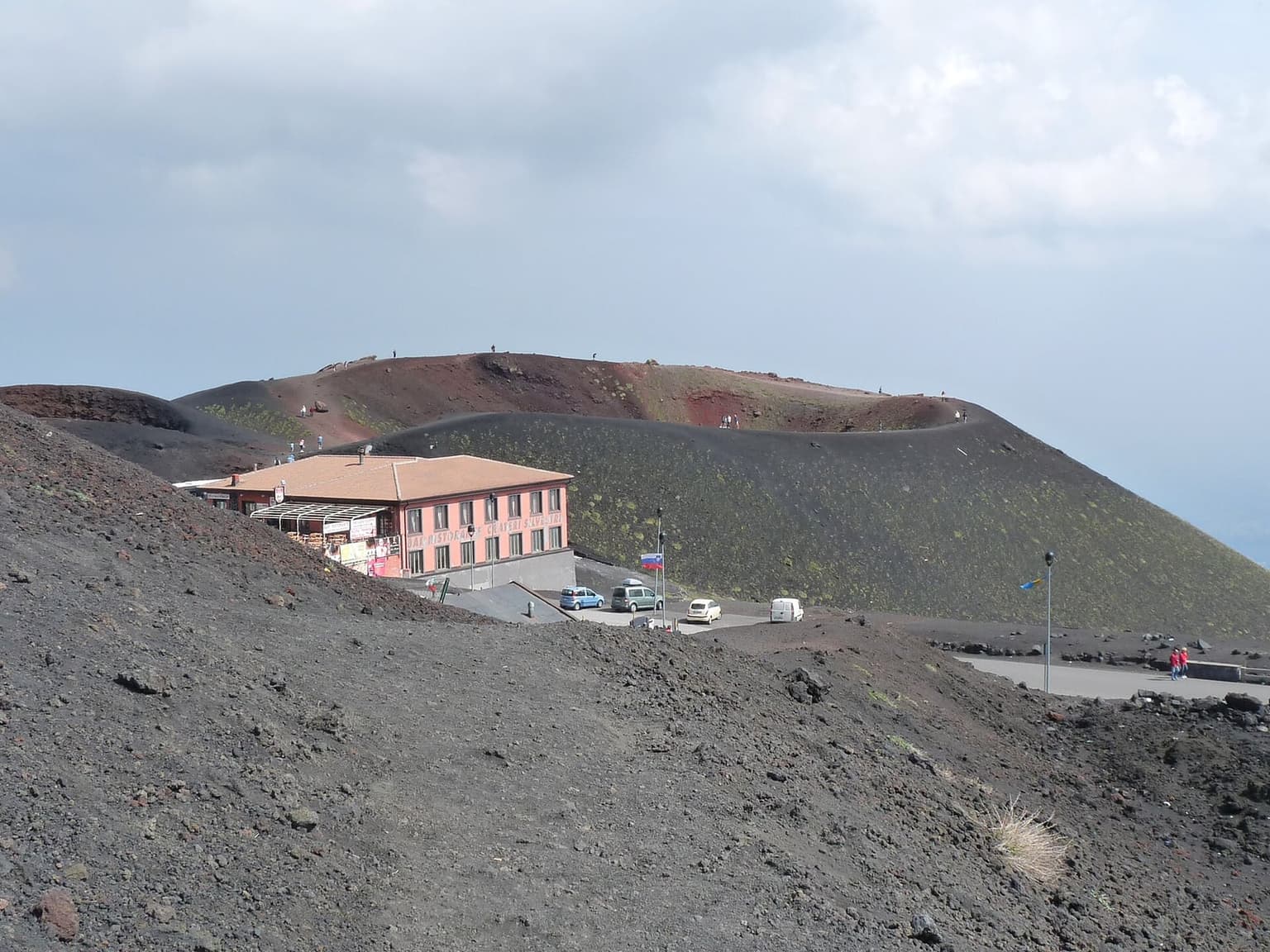
The land belongs to the Russo Morosoli group, which bought the site in 1997 out of the Montenero bankruptcy - that account comes from the owner himself. It did not go over quietly. The Alpine Club's Catania section objected that ground which had always been open to everyone should not become a turnstile overnight, Nicolosi's mayor argued that a World Heritage volcano ought to be treated as one, and the park authority pointed out that nobody had asked it anything. The argument is now in court: the Comune di Nicolosi has joined proceedings before the Third Section of the Court of Catania, alongside guide associations asking for the ticket to be removed. Which means the €5 may not last.
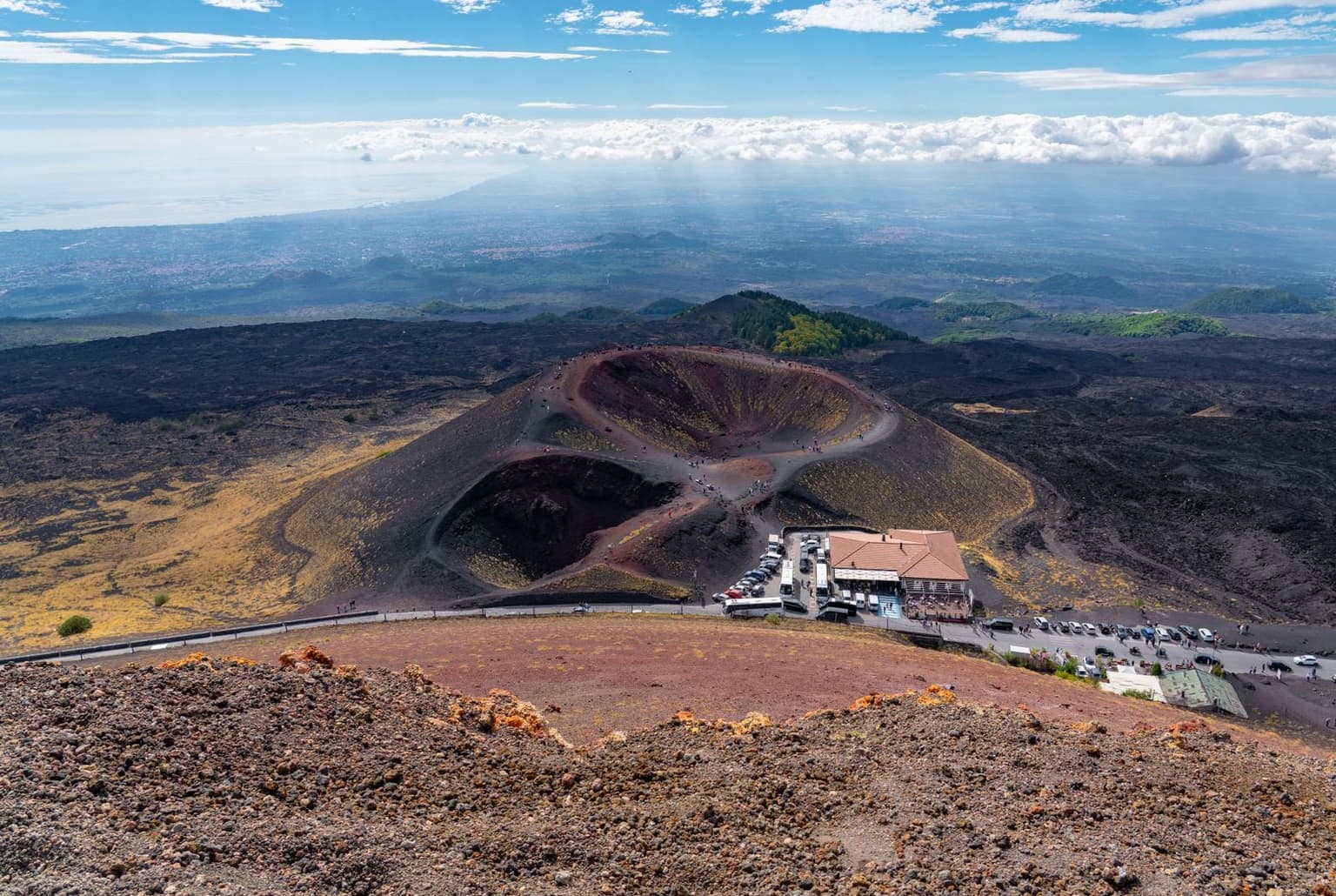
What the money buys, so you can judge it: two cinder craters right on the SP 92, the provincial road that climbs from Nicolosi to Rifugio Sapienza. The lower one, Silvestri inferiore, sits at around 1,886 m, five minutes from the parking lot to the rim. The upper, Silvestri superiore, is around 2,020 m and about half an hour on foot. Treat both altitudes as approximate. It is genuinely beautiful and it is genuinely mass tourism: a red and black rim path with a parking lot directly below it, and everyone who drove up here today standing on the same skyline. For €5 I would still stop, because it is the one rung on this ladder that asks for neither a lift ticket nor a guide.
North side or south side, and why the choice is often made for you
Etna has two front doors, and they are not two versions of the same day. The south is the side with the machinery: base station, wire, packages, parking lot. The north is Piano Provenzana, where the way above the base is a 4x4 with a guide beside you, or nothing. Most people never actually choose between them.
| South, Rifugio Sapienza | North, Piano Provenzana | |
|---|---|---|
| Where you start | Above Nicolosi | ~1,800 m, 18 km above Linguaglossa |
| Above the base | Cable car, then 4x4 and guide | 4x4 with a guide, no visitor lift of its own |
| What is advertised | The price table above | €69 to 3,000 m (2.5 h), €75 sunset, €120 summit tour to 3,347 m (5 - 6 h): starting-from floors, operator listing, August 2026 |
| The day | Fixed machinery, year-round | Shorter season, guided only |
| Suits | A first look, unguided | Anyone allergic to a conveyor |
The lift the north does have is a ski lift, running in winter when the runs are open - and a north-side desk will happily sell you the south's cable car with a 4x4 leg attached, so read what a north-side package actually includes. The north advertises a ceiling. The south, as you saw, will not - and the difference is jurisdiction rather than honesty: the north is Linguaglossa's ground, and Linguaglossa writes its own ordinance. What an operator advertises is a product description, never permission.
What quietly decides this for most people is the pickup town. North-slope trips leave from Taormina, south-slope trips from Catania, and nobody at the desk asks which flank you had in mind. Where you sleep picks your volcano. So put the question to the operator before you pay - which side does this trip actually go to? - and if you are based in Taormina, settle whether the mountain earns a whole day of your time there first. The whether comes before the which.
The complaint that the south feels like a conveyor is fair, and I would not talk anyone out of it. An eruption makes it worse: during the August 2026 activity, up to 2,000 people a night were on the mountain. Three answers, all concrete. Go north. Take the first cars of the day or the last. Or skip the lift and walk the Silvestri rims instead.
The north side's own excursion list, with current prices and durations (pianoprovenzana.com)
Can you actually do it? Age, fitness, kids, and the gentle day
The day splits in two, and the halves ask completely different things of you. The cable car and the top station ask nothing: you ride up sitting down, step out onto level ground, and walk as much or as little as you feel like.
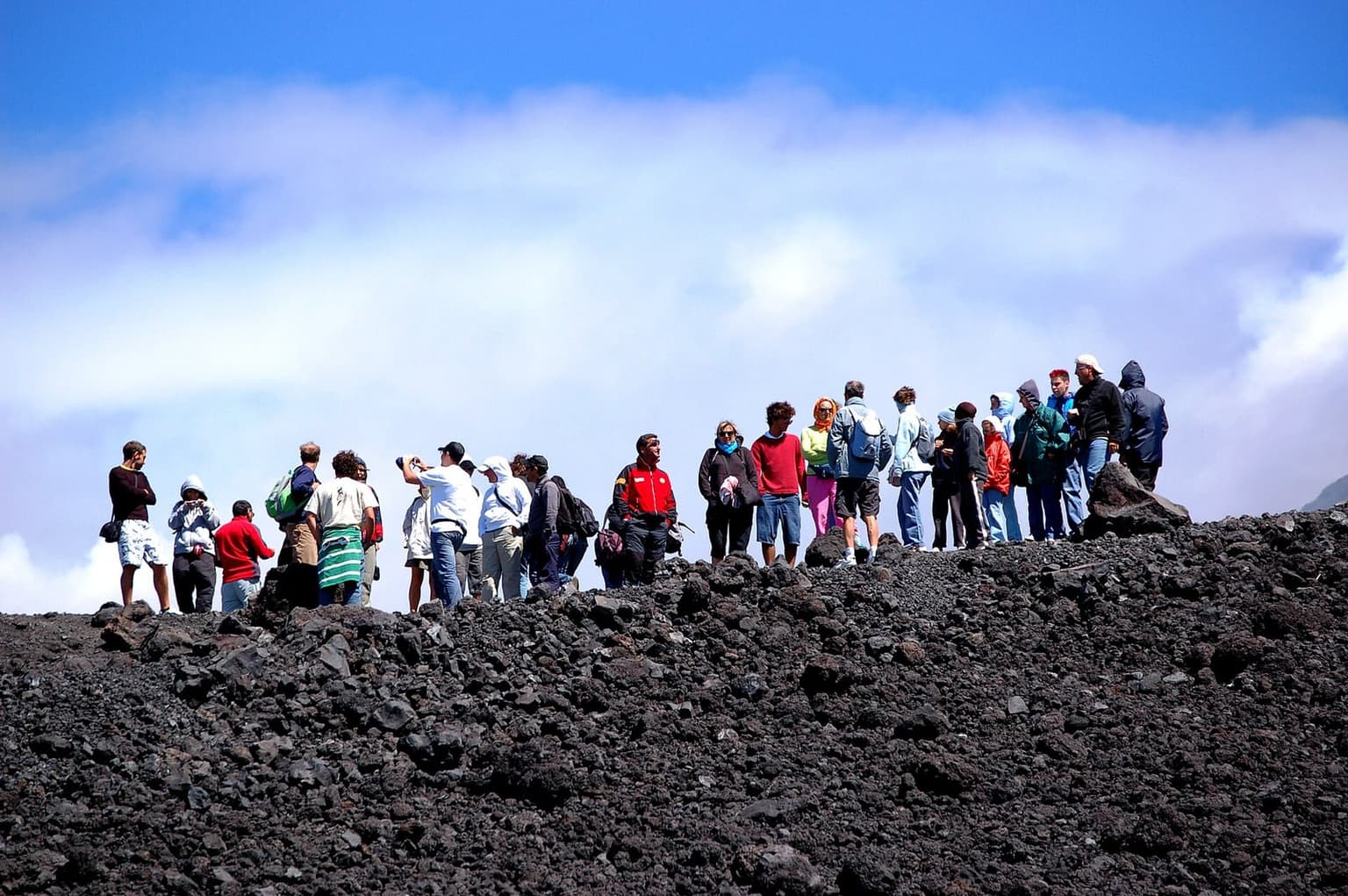
The guided leg above it is a different proposition: uphill on loose ash at altitude, on ground that gives back half a step for every one you take. The worry people arrive with is thin air; what actually stops them is the surface. Nobody honest can hand you a medical threshold for that, so I would treat the ride and the walk as two separate purchases - which is how the lift sells them anyway.
Children are usually fine on the walking, and the limit is the one most parents never think to ask about: gas. The guides' own advice is that during an eruption volcanic gas can get thick enough to bother sensitive people, small children first. So ask the operator about the gas that day, not the walking. Seven- and ten-year-olds do the standard guided day and come off it pleased with themselves.
ℹ️ Info
One of the mountain's guide companies answered a direct question about wheelchair access on May 10, 2026: the 4x4 leg can carry a wheelchair user to roughly 2,900 - 3,000 m. That is an operator's answer, not a published policy, and no ticketing page mentions it - so ask your operator directly, and ask again nearer the day.
If none of that is your idea of a day out, the same volcano has a gentler one. The wine flank is the northern and eastern side: black soil, something like 200 estates, and the cone as scenery rather than an obstacle. A representative day runs seven hours from €160 a person - one estate at the mountain's northern base, three wines with local food, year-round - and needs four people to go, which is why a thin date gets canceled. The estates would rather you reserved; plenty pour for walk-ins anyway, but that is their good humor, not a policy.
And no single day does both: there is no tour that puts you on the summit in the morning and at a real tasting after lunch. Give the wine flank its own half day.
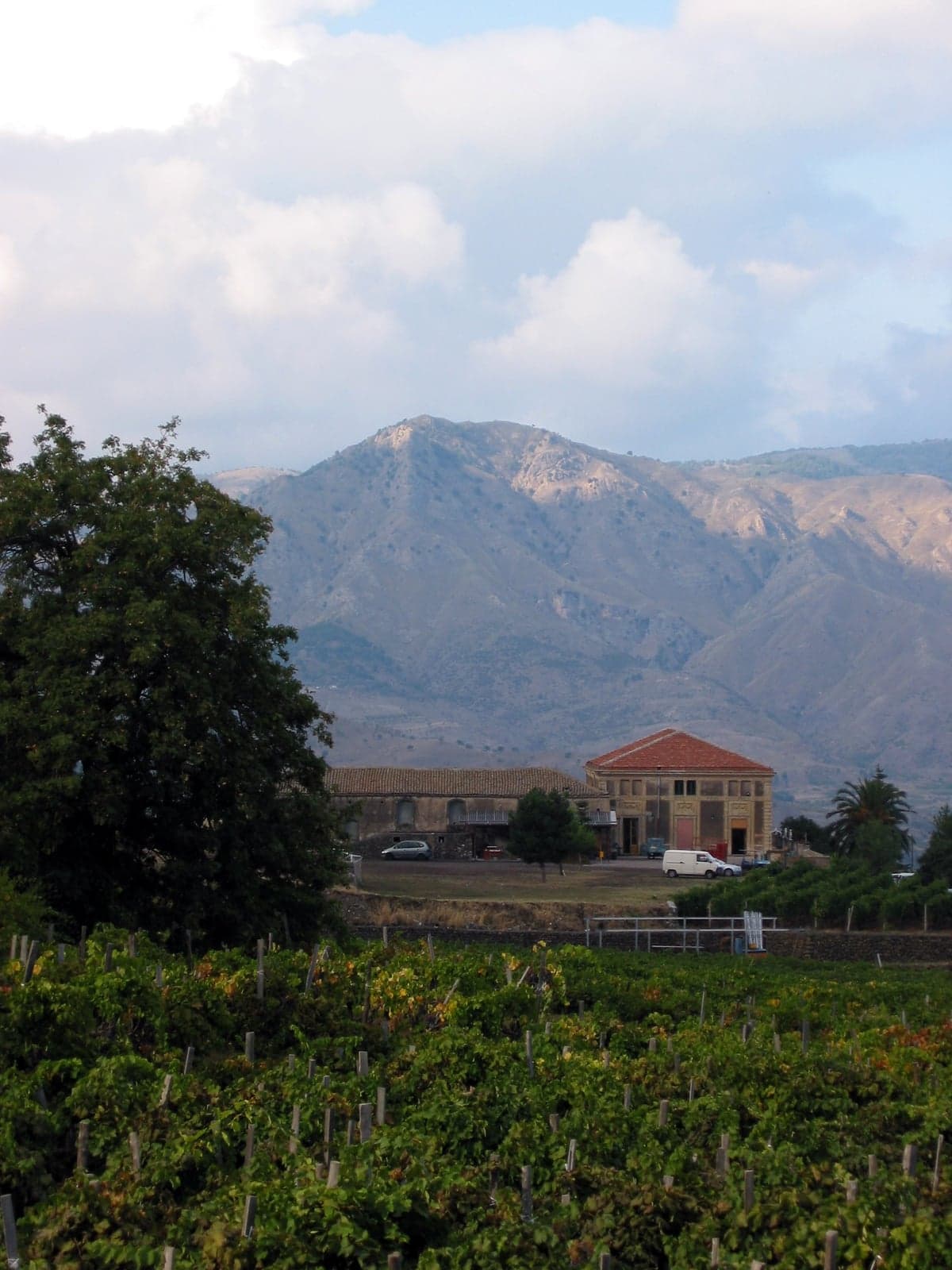
What to check before paying for one: which flank it actually visits, how many estates are really on the list, and whether the food is a proper table or a stop at a café.
What to wear, and what the ash does to your shoes
What you actually feel at the top station is the wind. It comes across open slope with nothing to break it, and it will take a pleasant afternoon apart while you stand still taking a photo. So the layer that matters is a windproof one over a long sleeve, and from late spring through early fall that is all it takes - not the winter coat people carry up in May and carry back down unopened. That covers both the May visitor worried about a winter jacket and the September one afraid of roasting.
Snow is the other half of the answer, and it does not read a calendar. Above the top station it can still be there to cross in the middle of May. In winter what is on the ground is a question for the day rather than the month: at Piano Provenzana a New Year can mean traces in the shade and bare cinder everywhere else.
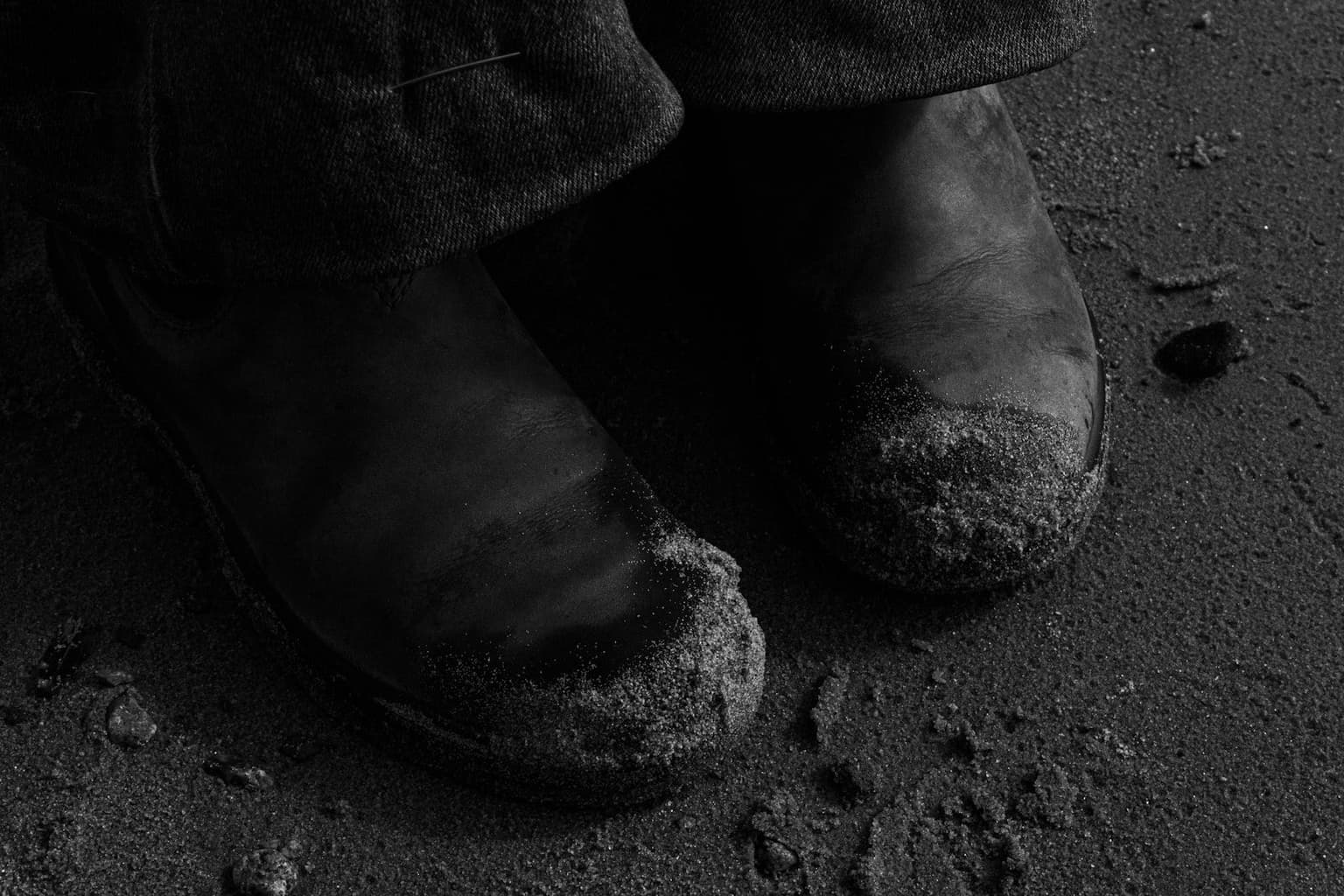
The failure that actually spoils days here is footwear. The surface is loose ash and scree, grit with the manners of gravel poured over sand, and it pours into anything open at the ankle. So: closed shoes with a sole that grips. During the August 2026 crush, people were still turning up in flip-flops. The ash gets everywhere it is allowed as well: seams, laces, socks, the tread. The shoes I would put on for this are the ones I do not mind smelling faintly of the volcano for the rest of the trip, and if the tier you booked mentions clothing, ask which items before you count on any of them.
Getting to the mountain from Catania or Taormina
Without a car, there is one bus a day, and that single fact sets the shape of the whole visit: roughly 10:15 to 16:30 on the mountain, with nothing later to fall back on if you miss the ride down.
AST runs it. It leaves Catania from Piazza Giovanni XXIII, the square in front of Catania Centrale, at 08:15, takes about two hours to climb, and turns around at Rifugio Sapienza at 16:30. The fare is €6.60 round trip, bought on the bus, and it runs daily except five days a year, August 15 among them.
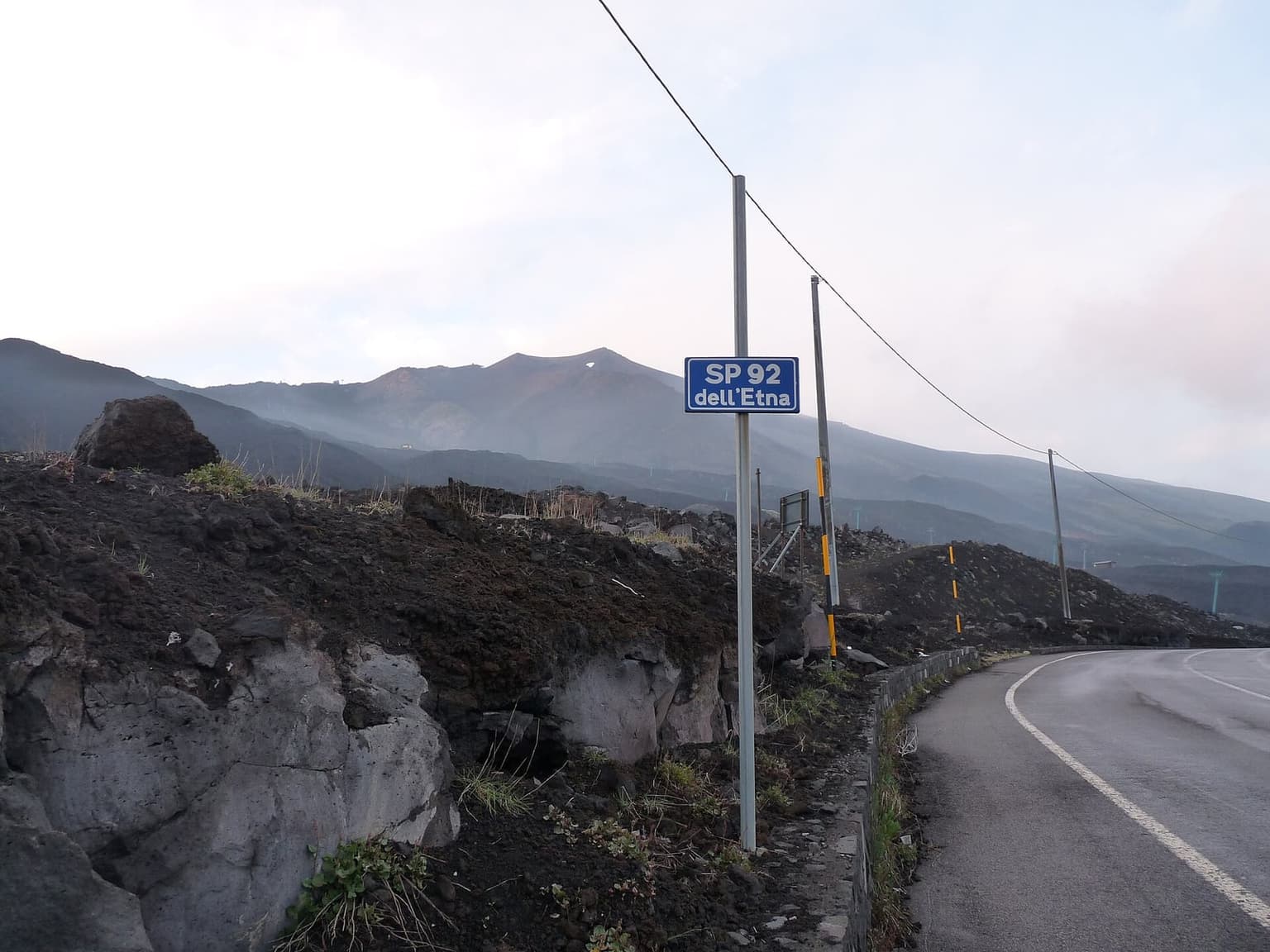
With a car it is about 35 km from Catania and something like 50 to 60 minutes: up through Nicolosi, where the road becomes the SP 92 and switchbacks the rest of the way to Rifugio Sapienza. Treat both numbers as approximate; the road is the reason.
Parking at the top is paid: you buy the ticket from the businesses around the parking lot, and the ticket points open around 08:30. Figure on roughly €0.80 an hour, €2.50 for a half day, €4 for the whole one. The much bigger rates quoted online are camper and overnight tariffs, not a second price for cars.
One bus a day is, on its own, the reason I would rent a car for this. A car buys the early slot at the base station before the day thickens, a stop at the Silvestri rims on the way up, and the freedom to come down when the weather turns rather than when the bus says. Without one, the day has the bus's shape and nothing else - and from Taormina, that means being in Catania in time for the 08:15.
Rent for the road rather than for the daily rate: this is the better part of an hour of switchbacks, and an automatic is worth more here than a bargain on a car you have to keep shifting.
Compare rental cars for Catania (CTA)
Automatic transmission and the deposit terms settled before you land
If that car is coming from Catania airport, none of the pickup is this article's problem: which lot it waits in, which desks are on site, and how to end up in an automatic are all handled in the arrival guide for Catania airport.
Frequently asked questions
- Can you climb Mount Etna without a guide?
- You can walk the lower mountain and reach the top cable-car station alone. Above that, the limit is not a height but a map and the day's alert level: inside the observatory's yellow zone, only an Alpine or Volcanological guide with a helmet can legally take you in. One step up the alert scale, nobody goes.
- Is the Etna cable car worth €54?
- It buys 577 vertical meters and a step out onto bare black slope with the coast far below. What it does not buy is a single meter above the top station, and the lower mountain costs nothing to walk.
- Are the Silvestri craters still free?
- No. Entry has cost €5 since October 2, 2025: the crater area is private land, and Sicily residents are exempt. Older guides all say free because until that day it was, and the charge is now in court, so it may not last.
- Which side of Etna is better, north or south?
- The south has the cable car, the parking lot and the crowds. Piano Provenzana in the north has no visitor lift of its own, so above the base it is a 4x4 with a guide and fewer people. The pickup town usually decides for you: ask which side your trip goes to.
- Will I see lava, and do Etna tours run during an eruption?
- No guarantee, and nobody honest sells one: the ticket buys altitude and a guide. The tours usually do run when the mountain is active, often with a lower ceiling, and what stops a day is the weather on the wire rather than the eruption.
You buy a rung; the mountain decides on the morning itself how much of it you get. That is the deal on a working volcano, and it is also the reason anyone comes.