George Mandrovny
How Many Days in Florence Do You Need?
Two full days in Florence cover the Uffizi, the Accademia and the climb up the Duomo, as long as the key tickets are booked. A third day adds the Oltrarno, and a fourth makes the city a base for day trips.
- One day: one gallery, the Duomo, then a walk across the river.
- Two days: a galleries day and a Duomo day, each on a day it's open.
- Three days: add the Oltrarno, across the Arno: the Pitti Palace and the Boboli Gardens, a quieter garden, a free view.
- Four days or more: keep the same room and take day trips out.
- The trap: a short stay that lands on a Monday, when the big galleries are shut, or a Sunday, when the cathedral is, or a timed climb booked for the day you arrive.
All of it fits inside a short walk, which makes the map the one part of a Florence plan that needs no planning at all.
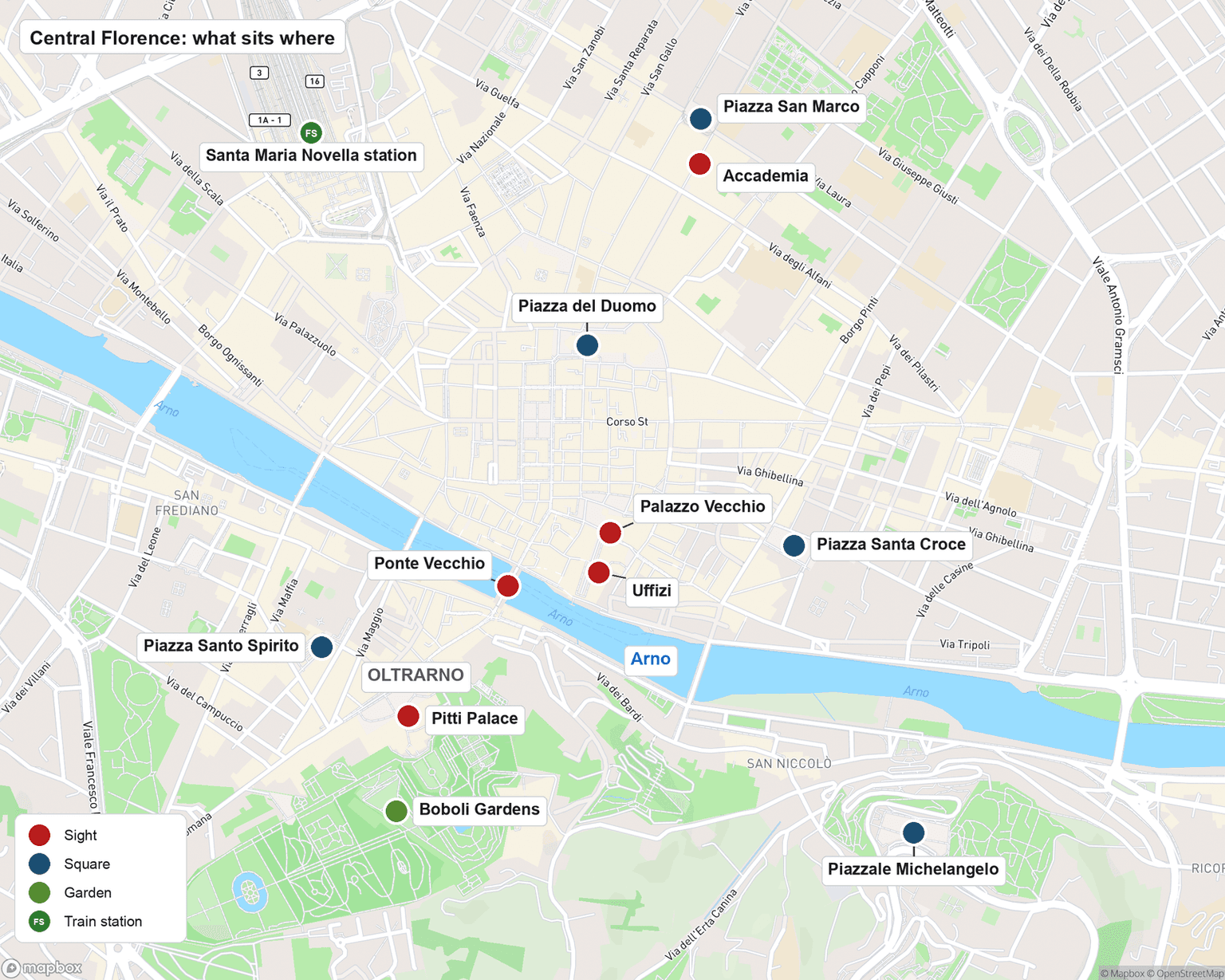
Firenze Santa Maria Novella station is about 13 minutes on foot from the Duomo, and the center is compact enough to sleep right in the middle of it. So distance never decides a Florence plan. Two things do: which day each stop is shut, and which tickets have to be booked before you go. The map won't ruin a Florence trip. A Monday will. Settle the week first and the tickets second, and the rest is walking.
Count the arrival day as half a day, however you arrive. Arrive at midday and you have an afternoon, minus check-in and the bags, which is not enough for a full plan. After a long-haul flight I'd keep that half day to a walk, because jet lag gets a vote whether you give it one or not.
Florence on a Monday or Sunday: Plan the Week First
The Uffizi, the Accademia and the Pitti Palace, Florence's big galleries, all close on Mondays, and the cathedral closes on Sundays. A stay that includes either day needs its order settled before anything gets booked.
| Stop | Monday | Sunday |
|---|---|---|
| Uffizi, Pitti Palace | Closed | 8:15 - 18:30 |
| Accademia, Bargello, Medici Chapels | Closed | 8:15 - 18:50 |
| Boboli Gardens | Open, except the first and last Monday | Open |
| Cathedral | 10:15 - 15:45 | Closed |
| Dome climb | Slots 8:15 - 18:45 | Slots 12:45 - 16:30 |
| Bell tower | Slots 8:15 - 18:45 | Slots 8:15 - 18:45 |
| Palazzo Vecchio | 9:00 - 19:00 | 9:00 - 19:00 |
Dome and bell-tower times run from the first slot to the last one, not to closing time.
Monday, which looks like a write-off, is the natural Duomo day: the cathedral, the dome and the bell tower are all open, Palazzo Vecchio too, and the Duomo sites get a day of their own instead of being squeezed in after the galleries. The Boboli works as well, once you've checked which Monday of the month it is. The Bargello and the Medici Chapels add a few special Monday evenings, a bonus to catch, never a plan.
Sunday runs the other way: it's the galleries' day, with the cathedral shut and the dome down to afternoon slots. If your draft puts the cathedral on the Sunday, swap the two days' plans.
Two smaller dents in the week: Palazzo Vecchio closes at 14:00 on Thursdays, and the dome's last Saturday slot is 16:30, so on those days neither stop can wait for the evening. Palazzo Vecchio's museum ticket is €18, plus a €1 presale fee.
The first Sunday of the month bends the rules again. State museums and gardens are free that day, the Uffizi Galleries included. On the Accademia's free first Sundays, which the museum lists for 2026, booking is switched off and everyone waits their turn at the gate. Free, in other words, is paid for in line, so if a short stay's Sunday is a first Sunday, move the gallery day if you can. The Baptistery closes at 13:30 that day. And the Duomo's museum shuts on the first Tuesday of the month, so a Duomo day on that Tuesday goes without it.
Climb the Duomo or Giotto's Bell Tower?
Only one regular ticket takes you up Florence's dome: the Brunelleschi Pass. The Giotto Pass climbs the bell tower and skips the dome, so choose the climb and the pass follows.
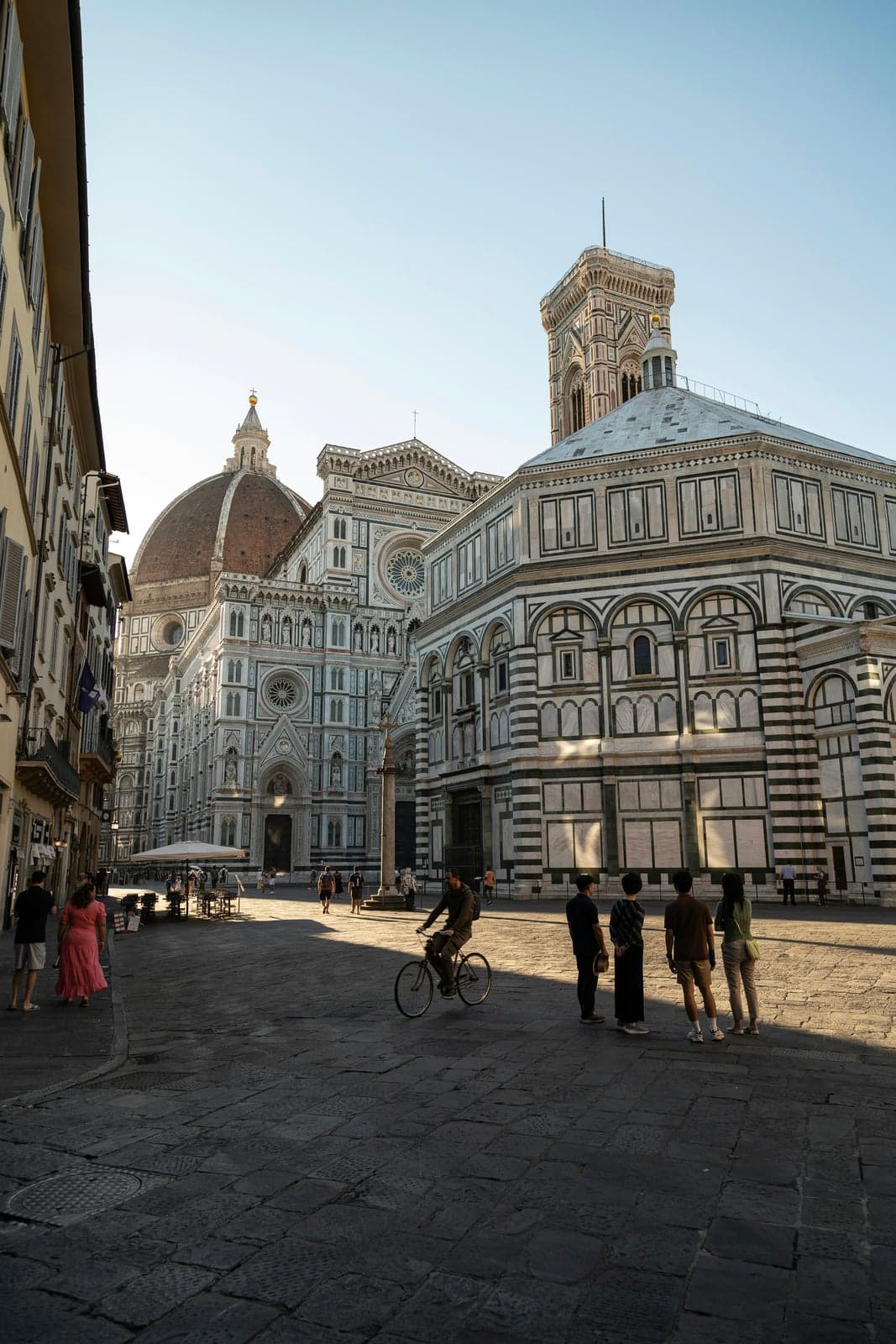
The dome is the climb for the frescoes up close, but it's confined, with little room to stop, and the last staircase is fairly steep. A fit climber who likes a breather gets resting points with open areas on the bell tower, where stopping for breath passes for stopping for the view. Either way, coming down can be harder than going up.
Both climbs carry a warning from the Opera di Santa Maria del Fiore, which runs them: it strongly discourages the dome climb, and does not recommend the bell-tower climb, for anyone with a heart condition, vertigo or claustrophobia, and for pregnant women. Neither has an elevator: the dome is 463 steps, the tower 414.
⚠️ Warning
The dome ticket carries your name, checked against an ID at the entrance. Be at the Porta della Mandorla, on the cathedral's north side, on time for your slot: 5 minutes late is the most allowed. Medium and large bags and backpacks go to the free cloakroom, not up the dome.
The Brunelleschi Pass also covers the bell tower, no slot needed, on any of its three calendar days, so a fit climber gets both on one ticket. Allow about 45 minutes for each climb.
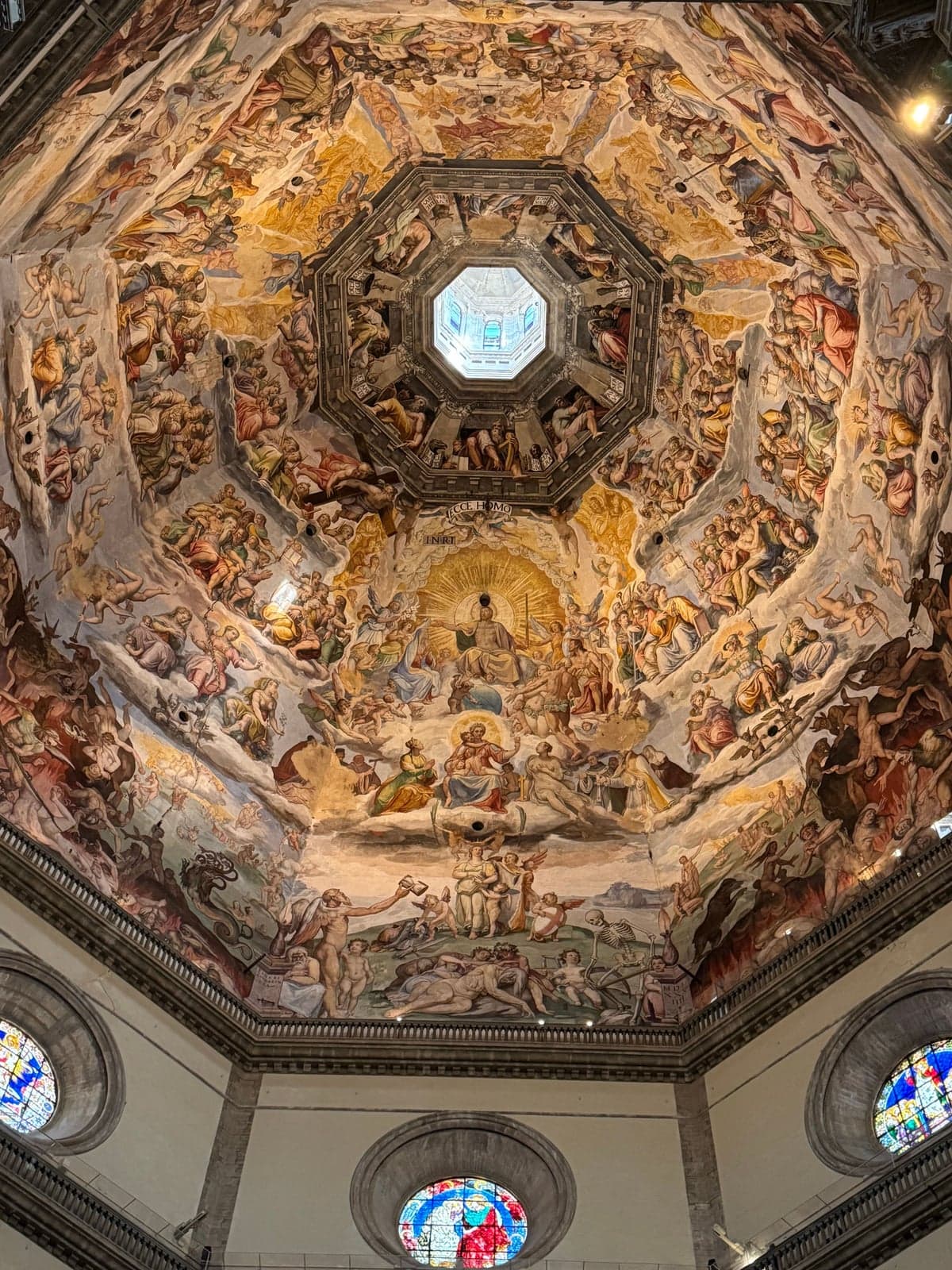
Inside the dome, the painted vault comes within arm's length, close enough that it stops being a ceiling at all. Then the last stairs, and the light. Below you, Florence spreads out in orange and red tile roofs, on and on, until you run out of looking.
The tower is under restoration: the top terrace stays open, but the views may be partially reduced. And in November 2026, plan around two separate weeks: the dome closes for maintenance from November 16 to 20, the bell tower from November 9 to 13.
What to Book Ahead in Florence, and in What Order
Book the dome slot at Florence's Duomo first: its date fixes your Duomo day, and the rest of the plan is built around it. It can't be changed or canceled, so pick that date with care. Then the Accademia. The Uffizi sells same-day tickets, and the Pitti, the Boboli and the cathedral are walk-ins.
| Ticket | Price (2026) | Book ahead? |
|---|---|---|
| Brunelleschi Pass (dome, bell tower, Baptistery, museum, Santa Reparata) | €30 | Yes, the dome slot |
| Giotto Pass (all but the dome) | €20 | Yes, a tower slot chosen at purchase |
| Accademia | €20, plus a €4 booking fee | Yes |
| Uffizi | €29 bought ahead, €25 on the day, €16 entering from 16:00 | Optional |
| Pitti + Boboli | €22 on the day, €25 ahead | No |
| Cathedral | Free | No ticket |
Never put the dome slot on the arrival day: a slot you can't move is a poor match for a day you can't predict. The dome date is also the day the pass starts. How far ahead? As soon as your dates are fixed.
Buy from the Opera's official ticket shop; its FAQ posts the closure notices.
At the Accademia, book through B-Ticket, the only official channel. The museum highly recommends a reservation and warns that without one the wait may be long. Its musical-instrument rooms and upstairs rooms shut 10 minutes before closing. My own margin is to be inside by 18:10.
Start at the Accademia's ticket page, which links to B-Ticket.
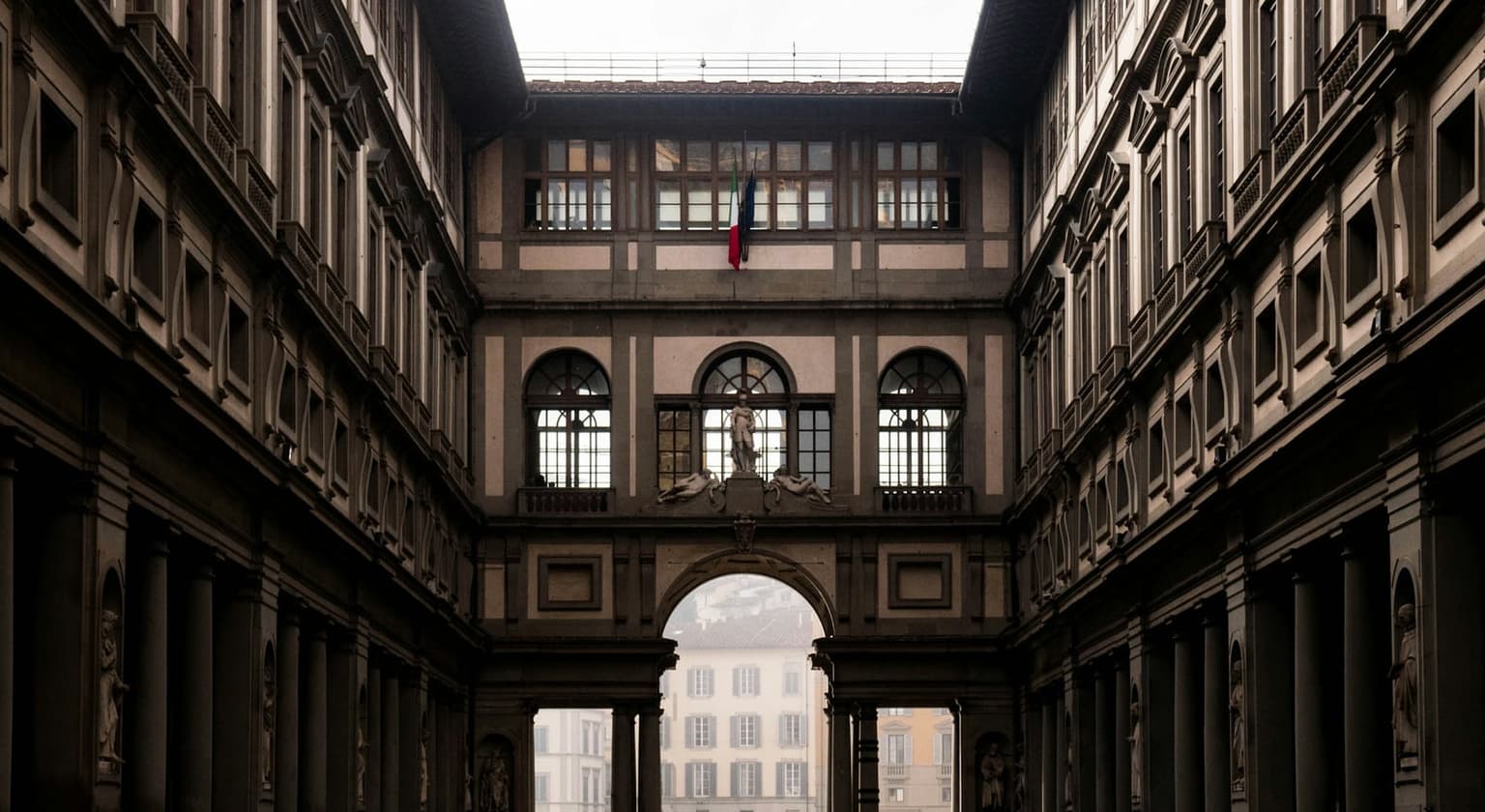
At the Uffizi, procrastination is €4 cheaper: buying ahead gets you a settled plan, not a discount. The afternoon ticket leaves you two and a half hours before closing, fine for a second look and short for a first visit. The Uffizi + Vasari Corridor ticket (€43 on the day, €47 ahead) must be reserved and puts your Uffizi entry two hours before the corridor, capping your gallery time. The corridor walk itself takes about 45 minutes, with no lingering.
Book on the Uffizi Galleries' ticket page, which sells the Pitti and the Boboli too.
The PassePartout covers the Uffizi, the Pitti and the Boboli for five consecutive days at €40, with the Uffizi booked at purchase, which beats buying them separately. With the Bargello in the plan, the 48-hour Accademia + Bargello ticket is €26 plus the same €4 booking fee. The Firenzecard, €85 for 72 hours from your first entry, one visit per museum, is worth pricing only for three museum-dense days.
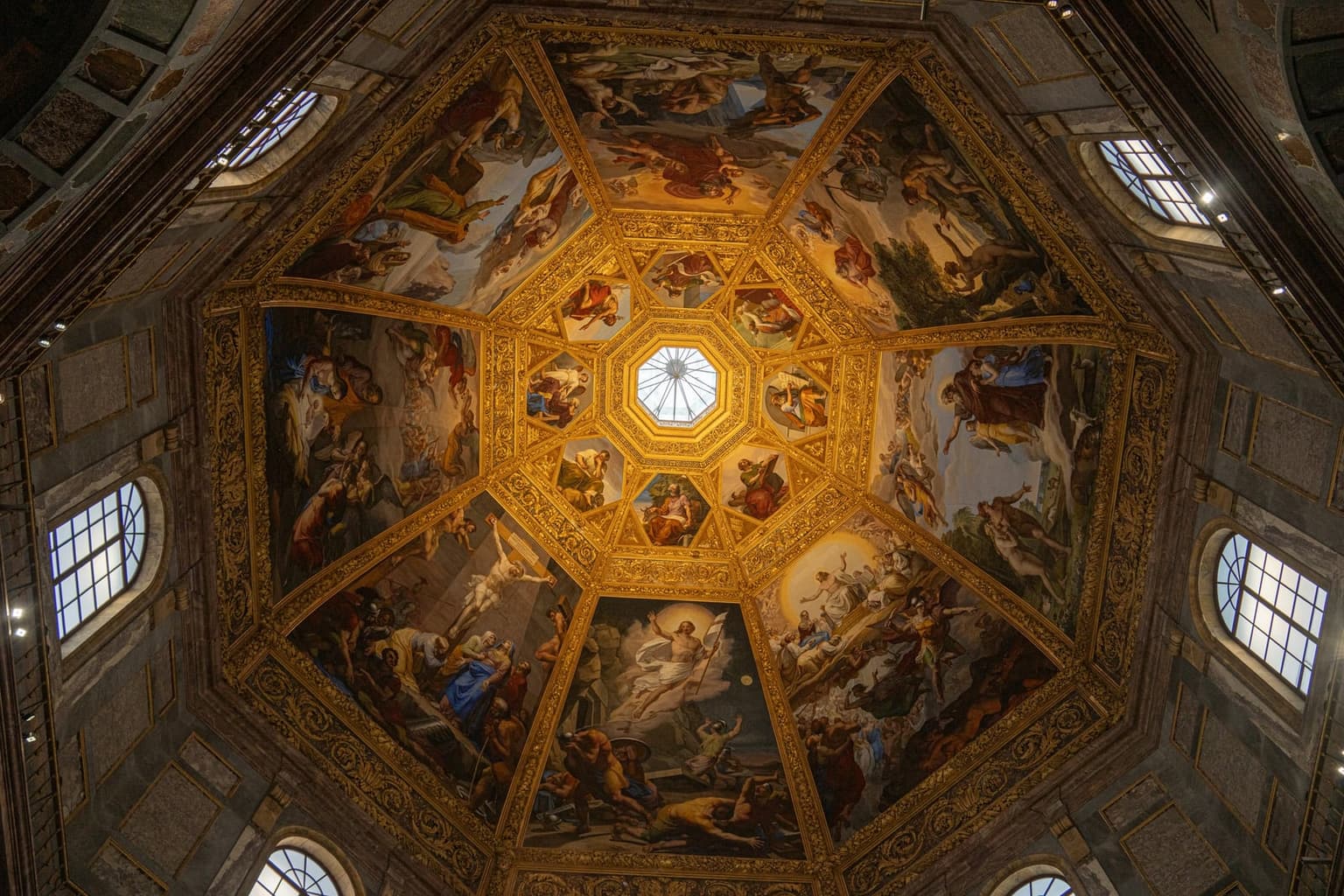
Michelangelo's Secret Room at the Medici Chapels is €32, reservation only, for a 15-minute visit. Children under 10 and unaccompanied minors can't go in. The way in and out is a narrow staircase of 12 steps with no elevator, and the room is not accessible to people with disabilities or mobility limitations. The museum does not recommend it for heart conditions, claustrophobia or advanced pregnancy. If all that fits your group, book the moment you see a date: it goes fast.
Official sites first, always. Besides the Brunelleschi Pass, the Opera sells one other dome ticket, a €50 guided tour. If the Accademia or the Uffizi is sold out for your dates, a guided visit with the entry included is the fallback.
Before paying, check that the entry and its time are in the product, and whose name the ticket carries, then read the cancellation terms. If it's a Tiqets combo, its cancellation cover is a paid add-on.
Where to Stay in Florence: Four Bases on Foot
For two or three days in Florence, sleep in the historic center or across the river in the Oltrarno. The Duomo is a walk from either, and nothing needs a car.
- The historic center: the default for a first visit. Quiet comes down to the street as much as the neighborhood.
- Near Santa Maria Novella station: it wins on an early train out and loses on the evening at your door. From the station, Ponte Vecchio is about 19 minutes on foot and Piazza Santa Croce about 24.
- North, past San Marco: few visitors go past the Accademia and fewer still past San Marco, so it suits a quiet stay. Piazza San Marco itself is about 9 minutes on foot from Piazza del Duomo.
The fourth base is the Oltrarno, where San Frediano is a tranquil place to sleep. Piazza Santo Spirito is about 21 minutes' walk from the station and about 16 from Piazza del Duomo.
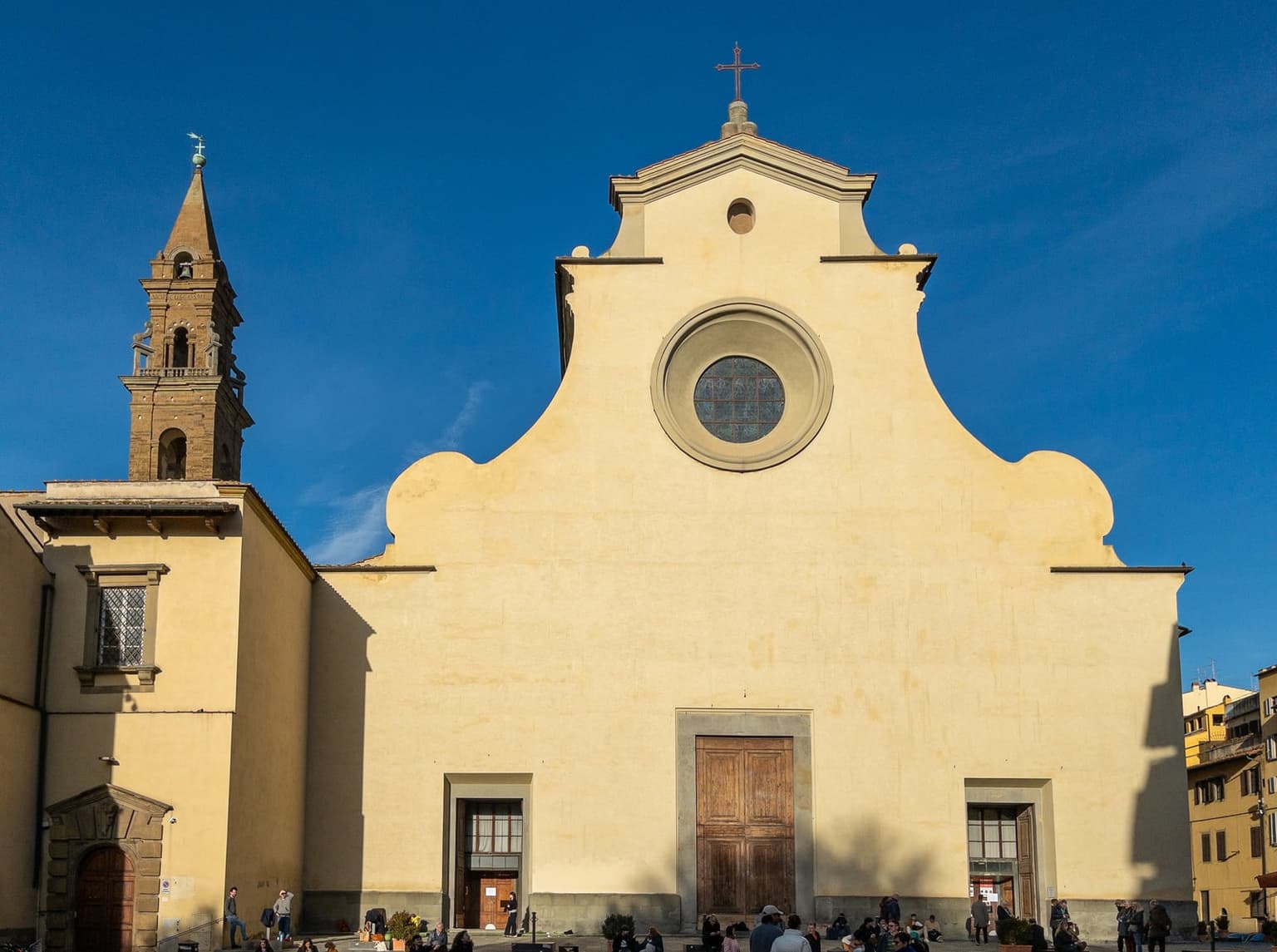
An old palazzo may have no elevator, so ask before you book. Don't sleep outside the city for a Florence-focused stay, or every day starts with a train ride in. The center is a ZTL, a limited-traffic zone, where you can park only in hotel parking or private garages, so pick up any rental car the day you leave Florence.
The tourist tax runs per person per night, up to seven consecutive nights, under-12s exempt: €6 in a 3-star hotel, a B&B or a short-term rental; €7 in a 4-star; €8 in a 5-star.
Rooms get scarce from late April into the first days of May, so book early if your dates touch that stretch. Dates still flexible? Check how Florence's crowds fit into Italy's year first.
For two or three nights with light bags, it's between the center, with the Duomo a walk away, and the Oltrarno, for San Frediano's calm.
My pick is the Oltrarno, San Frediano specifically. The center stays crowded and loud late into the night; across the river I got quiet streets to sleep on and neighborhood trattorias without the tourist markup.
With the base picked, book a room you can cancel.
Check the station walk and the elevator, and keep free cancellation until the dome slot and gallery days stop moving.
2 Days in Florence: a Galleries Day and a Duomo Day
For 2 days in Florence, the itinerary that works puts the Accademia and the Uffizi on one day and the Duomo on the other, each on a day it's open.
One day only: one gallery, not both. Take the Accademia if Michelangelo's David is the point, the Uffizi if you want the long walk through the paintings. Then the Duomo from the square, and the cathedral inside on a day it's open. The cathedral and the Baptistery bar flip-flops, bare shoulders and legs uncovered above the knee. Finish at the river and Ponte Vecchio.
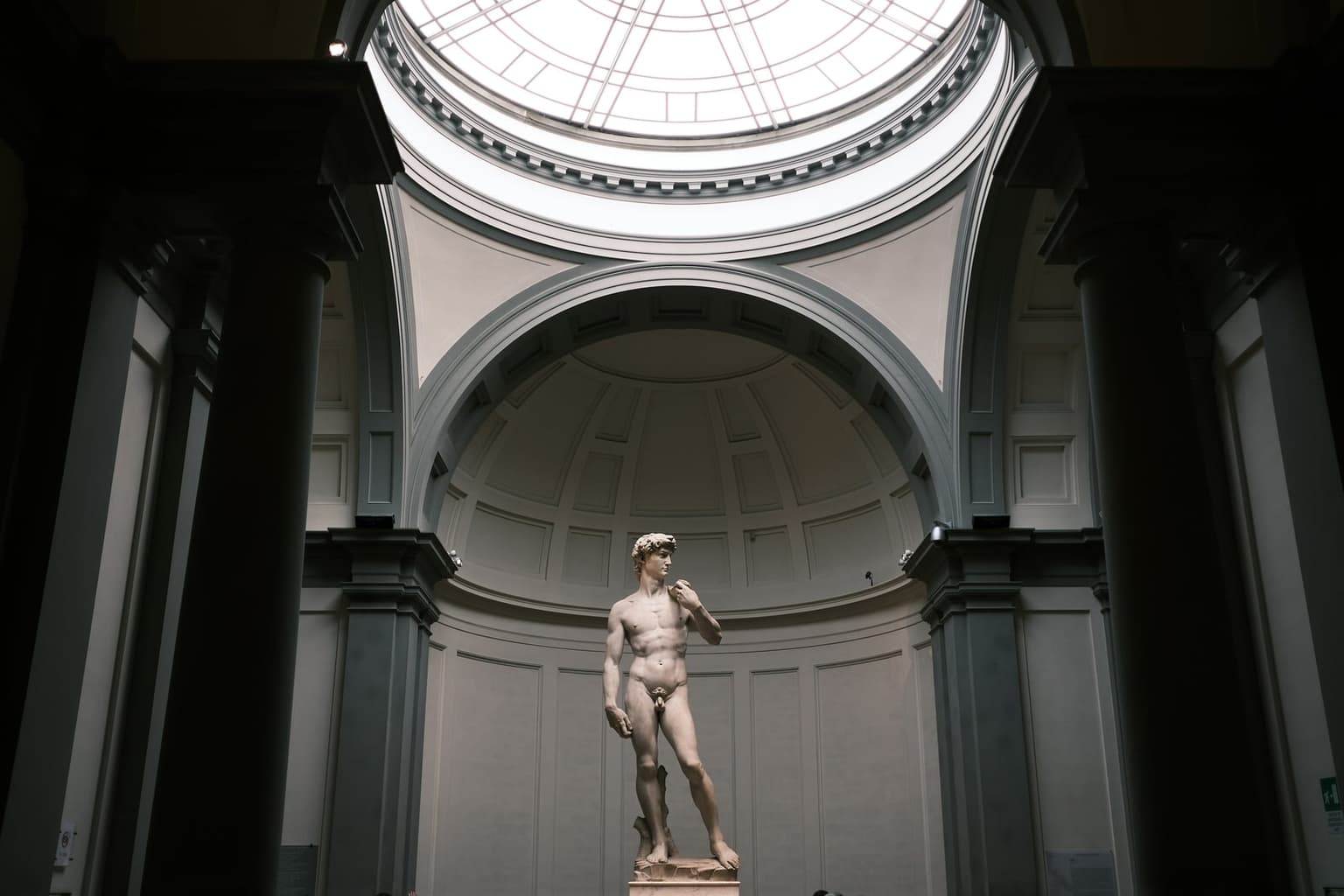
Day 1: the galleries. Be at the Accademia at opening, then walk about 15 minutes to the Uffizi. Both fit in one day.
The Accademia took me exactly an hour. In with the first visitors, I had time to walk all the way around the David and through the musical-instrument rooms before the big tour groups arrived.
Give the Uffizi half a day, more if it's crowded. Before you go in, pick the artists you came for and head for their rooms first: browse room by room and half a day quietly turns into a whole one.
Lunch can come from the Mercato Centrale's ground-floor market, open Monday to Friday from 9:00 to 15:00 and Saturday to 17:00, closed Sundays and holidays. On a Sunday galleries day, that leaves the food hall one flight up, open daily from 8:00 to midnight except December 25.
In the evening, walk up to Piazzale Michelangelo, under half an hour on foot from the Duomo, through a neighborhood that makes the walk half the point. It's packed at sunset, which falls around 21:00 in June, about 18:30 in mid-October and before 17:00 in December.
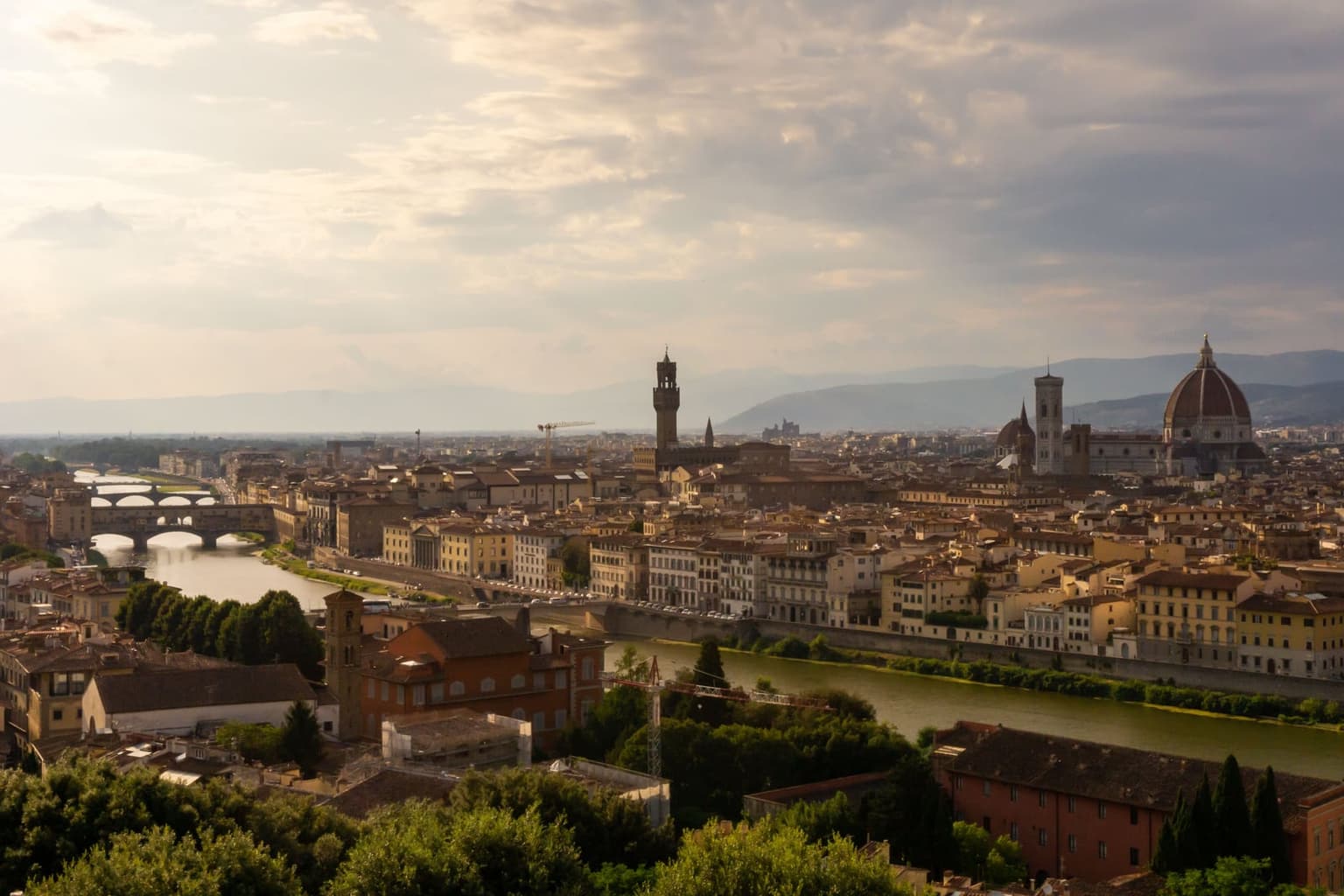
At sunrise the Piazzale is empty; after dark, it's the skyline with the lights on. The sunset crowd is a choice, not the price of the view.
Day 2: the Duomo. Take the dome slot early, then the cathedral once it opens.
I spent about half an hour inside the cathedral. After the facade, the interior is startlingly bare.
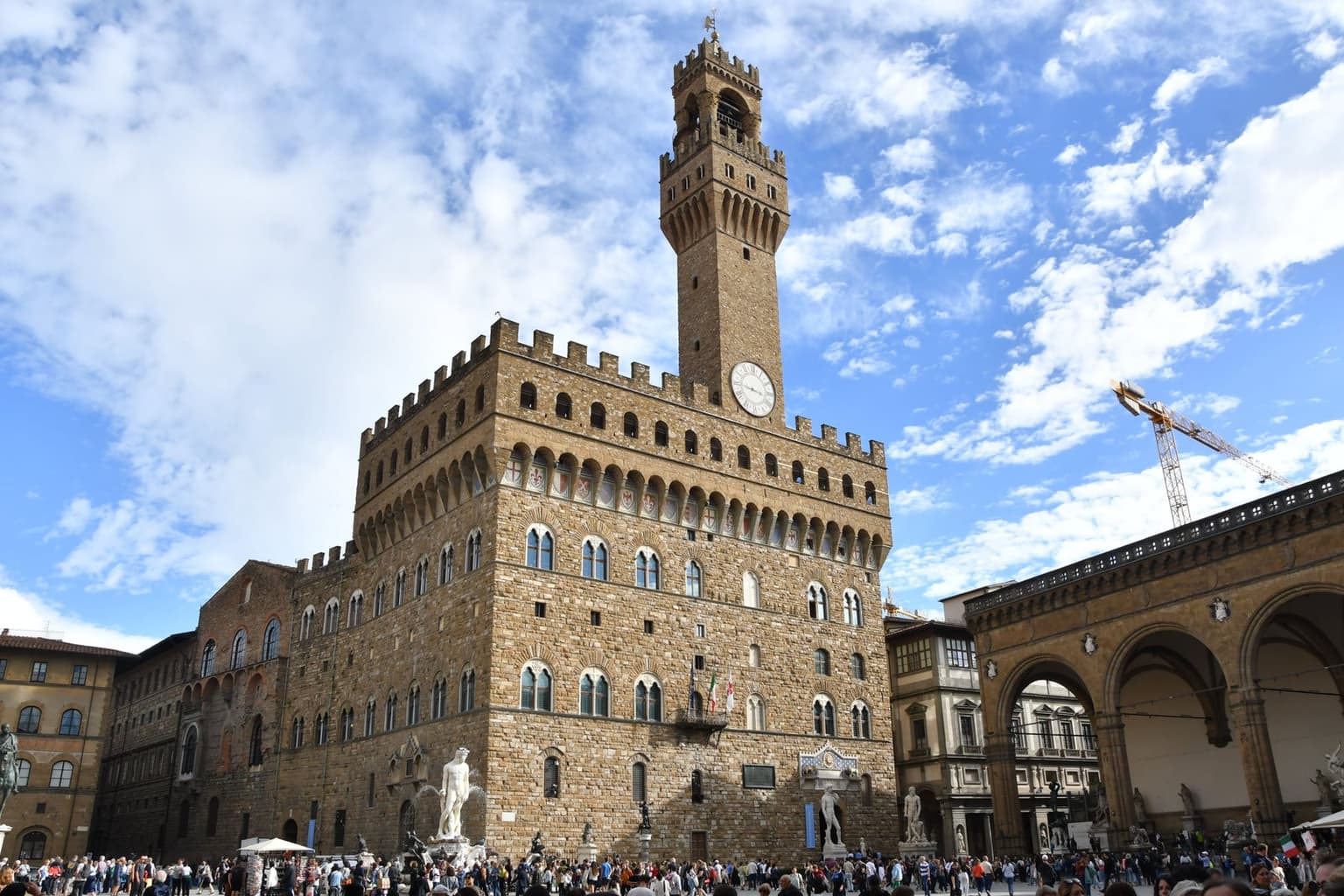
Then the rest of the Duomo complex, at the Opera's own recommended pace: the museum about an hour and a half, the Baptistery 30 to 45 minutes, Santa Reparata about half an hour. From there, go on to Piazza della Signoria and Palazzo Vecchio, then across Ponte Vecchio.
Palazzo Vecchio took me two hours, the tower (a separate ticket) included: about 40 minutes for the climb and the views from the top, the rest for the Hall of the Five Hundred and the private apartments.
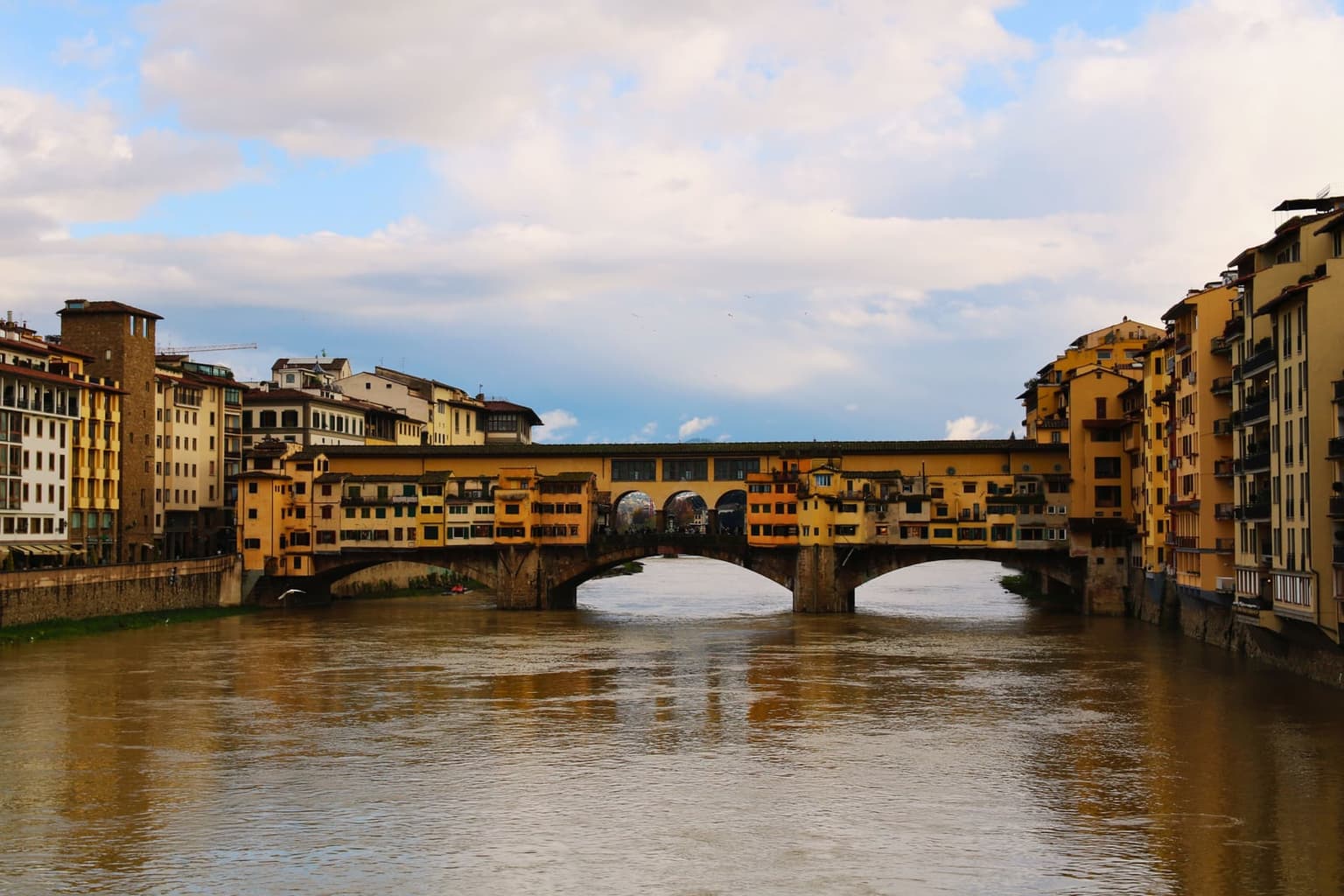
Across the bridge is the Oltrarno. A third day gets a whole day there; with two, walk a few streets in, turn around, and keep something in the tank for the evening.
Give one of the two evenings to a food tour and the other to the Piazzale.
Keep the group small, check whether it's tastings or a full dinner, and see where it finishes relative to your base.
3 Days in Florence: Add the Oltrarno
A third day in Florence crosses the river to the Oltrarno, for the Pitti Palace and the Boboli Gardens, then the Bardini Gardens and the view from San Miniato al Monte, both in its San Niccolò district. None of it needs a booking, which after the dome slot and the Accademia feels almost reckless.
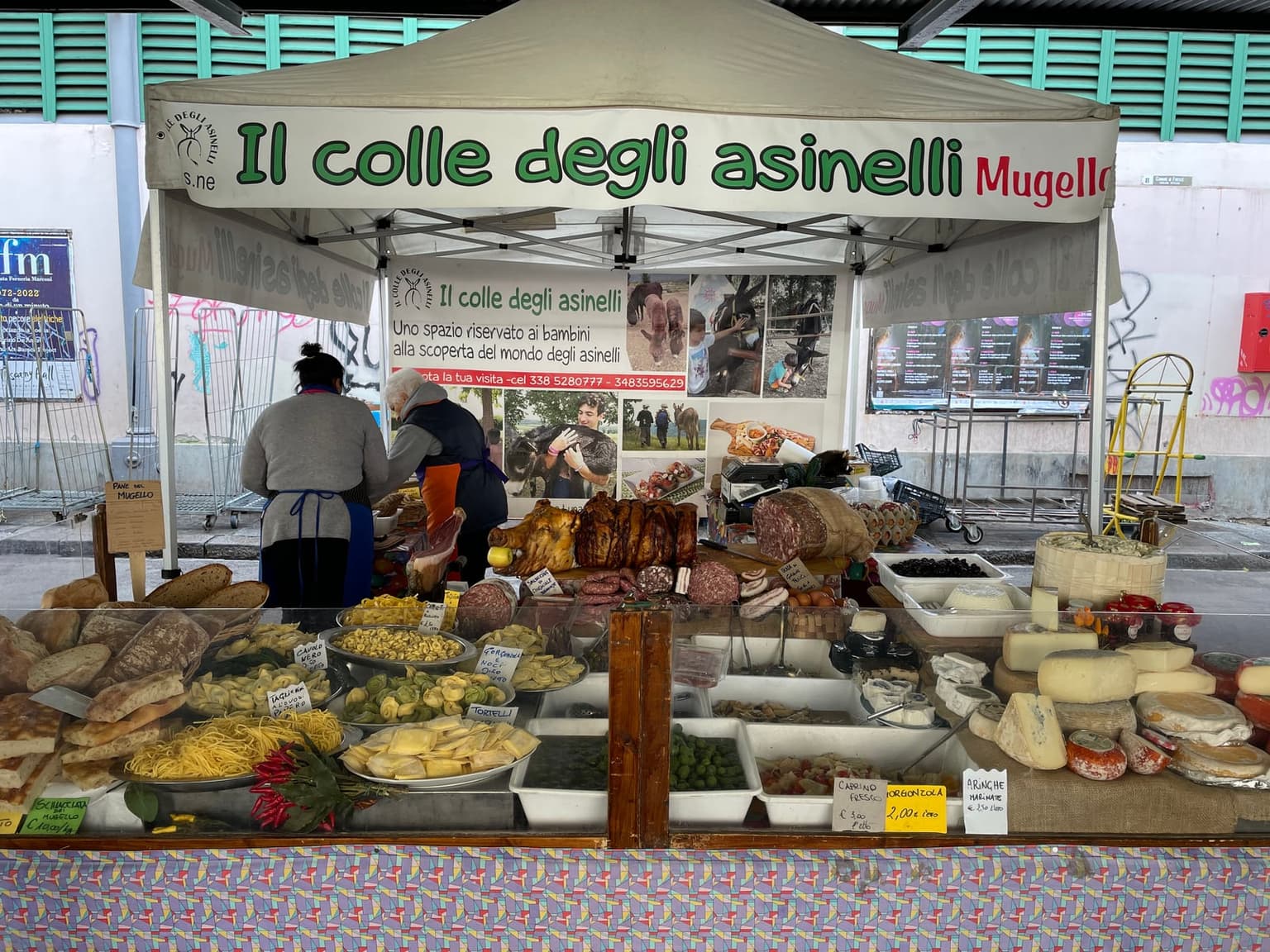
Start the day elsewhere, though: past Santa Croce, the covered Mercato di Sant'Ambrogio has traded since 1873 and opens Monday to Saturday from 7:00 to 14:00, closed Sundays.
The Boboli closes at 16:30 from November to February and at 19:10 from June to August, with last admission an hour before closing, so in winter it is no late-afternoon stop. When the plan won't stretch, the Pitti is the first thing to drop.
The two together took me four hours: two in the Palatine Gallery, hung wall to wall with paintings, and two for a slow climb through the Boboli to the Neptune fountain and the Kaffeehaus.
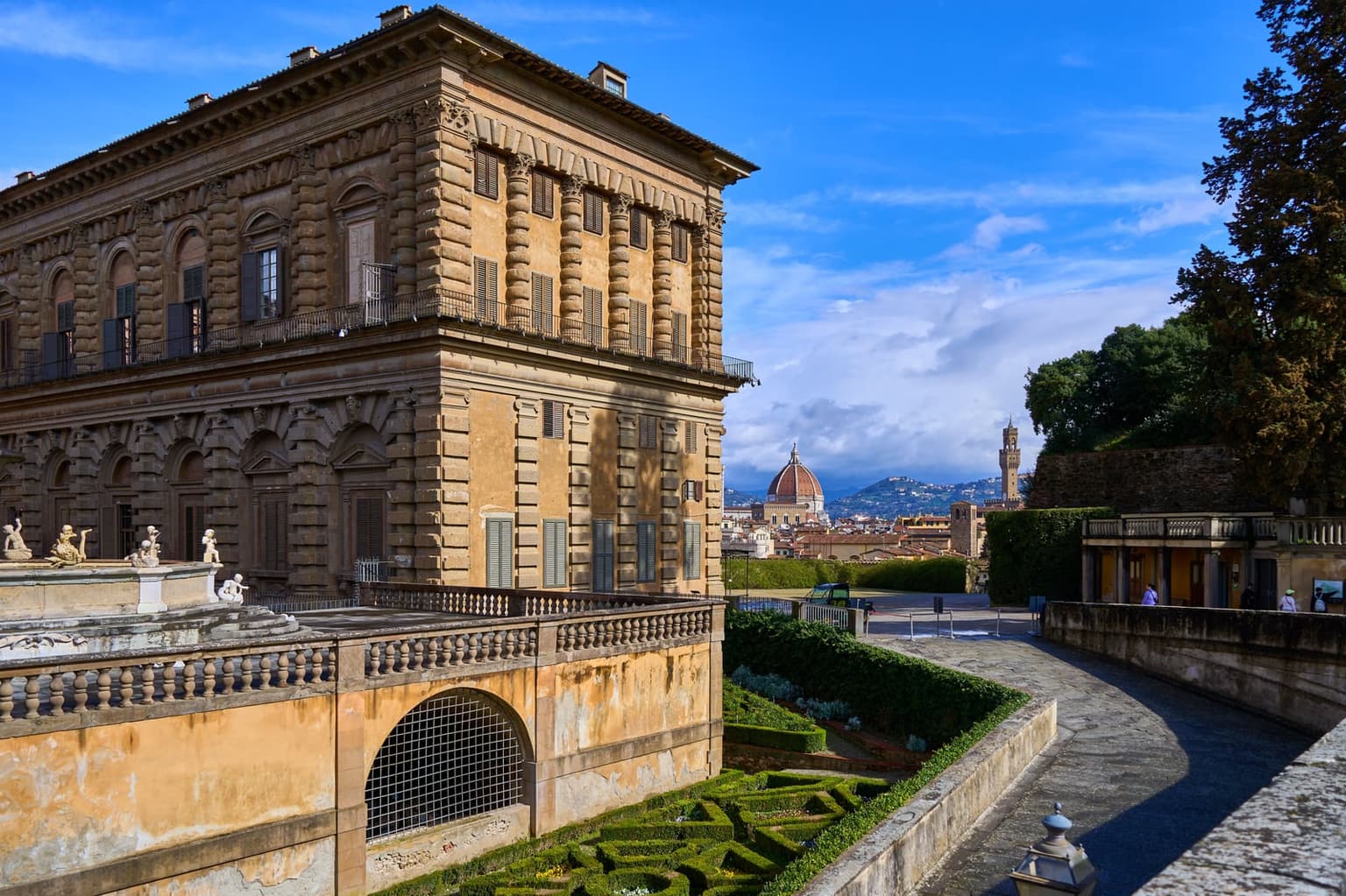
The Bardini Gardens are quieter than the Boboli and arguably prettier. The Pitti + Boboli ticket covers them the same day; drop the Pitti and a Boboli + Bardini ticket is €15, sold only at the ticket offices on the day. They open daily except the first and last Monday of the month, and the ticket office shuts an hour before closing.
I spent about 45 minutes there, a quiet stop to rest. The steps up are steep, and the terrace at the top pays for them with a straight-on view of the cathedral dome.
San Miniato al Monte sits a little farther up from Piazzale Michelangelo, and its view costs nothing, a price Florence rarely quotes.
A gallery person can keep day 3 indoors instead: the Bargello is sculpture without the crowds, at €12, and the Medici Chapels, €11, make a short visit on top.
The Bargello took me exactly an hour. The courtyard and the Donatello sculptures sit close together, and I've never seen a long line at its door.
Or hand day 3 to the first trip out of Florence, which is where the next section starts.
Four Days or More: Day Trips From Florence
Four days or more in Florence make the city a base for day trips to Siena, the Cinque Terre, Pisa or Lucca. Keep the same room: the base that works for the city works for every trip out, and no day out was ever improved by repacking.
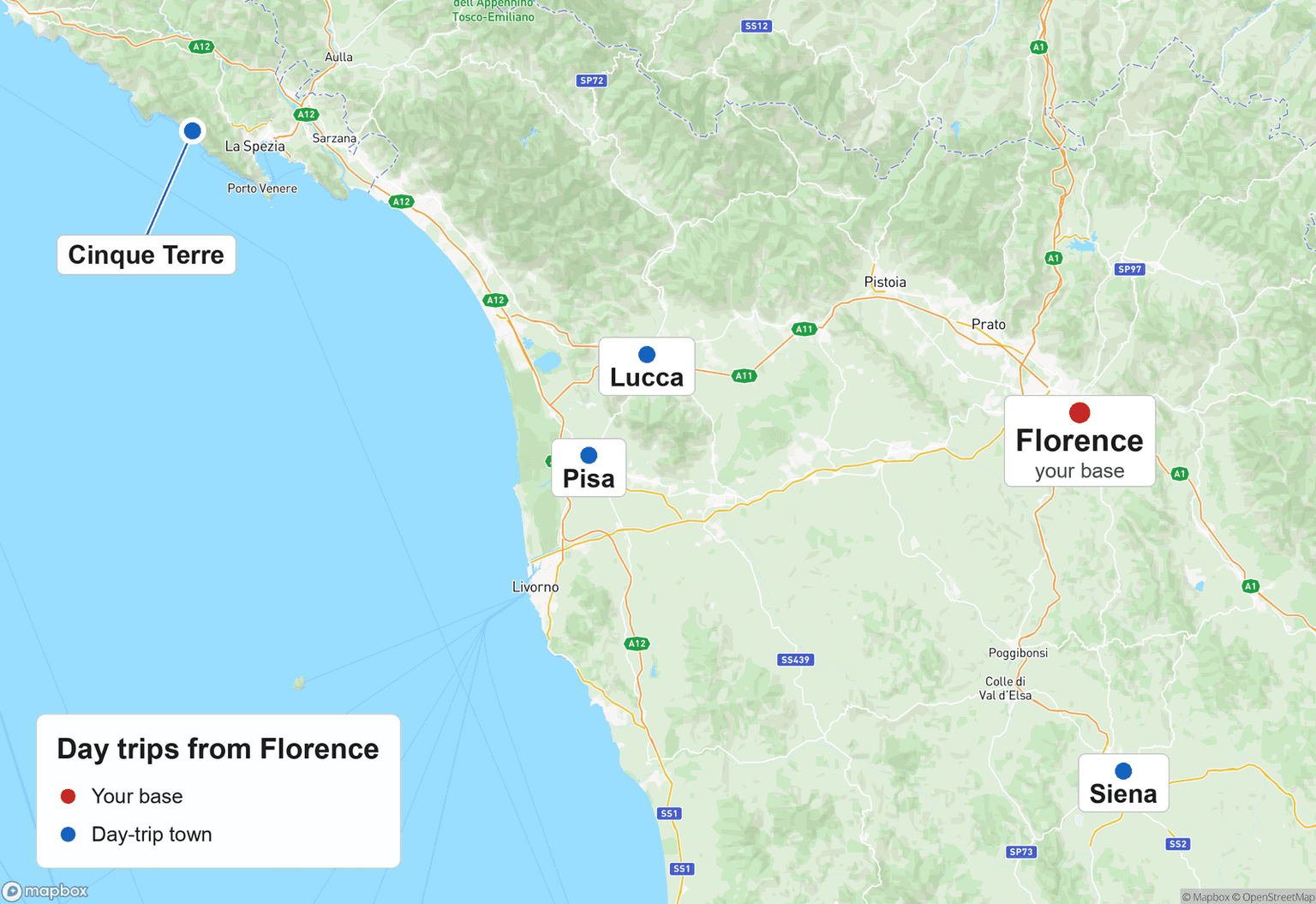
Give the trip the day Florence can spare. If your stay includes a Monday and the Duomo already has a day of its own, Monday is the natural day out, since the big galleries take it off too. Keep Sunday for the galleries.
Siena is a full day out, not a morning to fit in around Florence. If Siena gets the day, sort out the ride there and your way into town ahead of time.
The Cinque Terre is a long day from Florence, long enough that a night there is worth weighing. Before you hand it a day, read whether a night on the coast beats the day trip.
Pisa and Lucca round out the list, and a day among Chianti's wineries is the change of pace for whoever in your group has seen enough altarpieces by day four.
With a week, the plan stretches rather than changes: the galleries day, the Duomo day and the Oltrarno day, plus a trip out on each day Florence can spare.
Florence Itinerary: Common Questions
- How many days do you need in Florence?
- Two full days cover the Uffizi, the Accademia and the Duomo climb if the key tickets are booked ahead. A third day adds the Oltrarno, and four or more make Florence a base for day trips.
- Can you do the Uffizi and the Accademia on the same day?
- Yes. They're about 15 minutes apart on foot. Be at the Accademia when it opens, then give the Uffizi half a day, more if it's crowded.
- What is open in Florence on a Monday?
- The cathedral, the dome, the bell tower and Palazzo Vecchio, plus the Boboli Gardens except on the first and last Monday of the month. The Uffizi, the Pitti Palace, the Accademia, the Bargello and the Medici Chapels are closed.
- What do you need to book ahead in Florence?
- The dome slot first, then the Accademia. The slot's date sets your Duomo day and can't be changed or canceled, so the plan is built around it. The Uffizi sells same-day tickets, and the Pitti, the Boboli and the cathedral are walk-ins.
- Is it better to climb the Duomo or the bell tower?
- The dome for the frescoes up close, the tower if you're fit and want places to rest on the way. The Brunelleschi Pass covers both. The Opera di Santa Maria del Fiore, which runs the climbs, strongly discourages the dome climb, and does not recommend the tower climb, for anyone with a heart condition, vertigo or claustrophobia, and for pregnant women; neither has an elevator.
Florence asks almost nothing of your sense of direction and a great deal of your calendar. Get Monday and Sunday the right way around, give the dome slot a day you can trust, and the hardest call left is lunch.